Hunt the Man Down
1950
No user ratings available yet
Diversity score: 2.9 out of 10
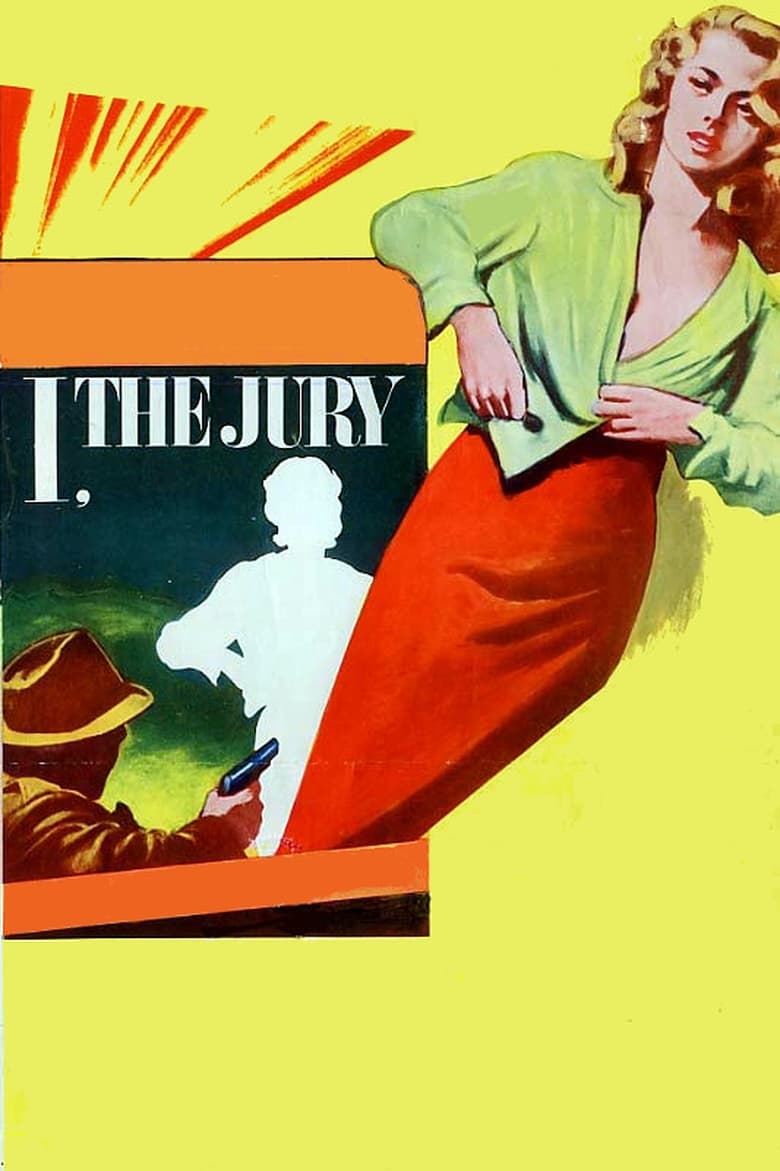
1953
NRDirector
Harry Essex
Runtime
87 minutes
Average Rating
No ratings yetSynopsis
After his best friend and war buddy is mysteriously gunned down, Mike Hammer will stop at nothing to settle the score for the man who sacrificed a limb to save his own life during combat. Along the way, Hammer rides a fine line between gumshoe and a one-man jury, staying two-steps ahead of the law—and trying not to get bumped off in the process.
Overall Score
Minimal
Category Breakdown
LGBTQ+ Representation
The film contains no visible LGBTQ+ characters or non-heteronormative identities. Interpersonal dynamics focus strictly on male camaraderie and heterosexual romantic entanglements.
Gender Representation
Female characters primarily function as plot catalysts or femme fatales rather than possessing independent agency. The narrative drive is almost exclusively centered on the male protagonist.
Racial & Ethnic Diversity
Casting is predominantly white, reflecting the demographic homogeneity of 1950s crime dramas. The social landscape is largely Anglo-centric with little ethnic complexity.
Religious & Cultural Diversity
The film portrays police and judicial bodies as susceptible to corruption and blackmail. This critique is framed as genre-specific fatalism rather than a systemic ideological challenge.
Disability Representation
There are no prominent depictions of physical or neurodivergent disabilities. A character's lost limb serves as a narrative device for loyalty rather than a nuanced exploration of disability.
Strengths
Areas for Improvement
AI Analysis
I, the Jury is a quintessential mid-century noir that operates within the rigid social frameworks of the 1950s. It relies heavily on traditional masculine archetypes and a cynical view of institutional stability. While the film successfully critiques the efficacy of legal and police institutions through a lens of individualistic fatalism, it lacks meaningful intersectional representation. The narrative architecture is built upon the homogeneous casting norms of its era. Ultimately, the film's 'progressive' elements are limited to its skepticism of authority, which serves plot tension rather than a broader social critique. It remains firmly within traditionalist cinematic paradigms.
1950
1946
1939
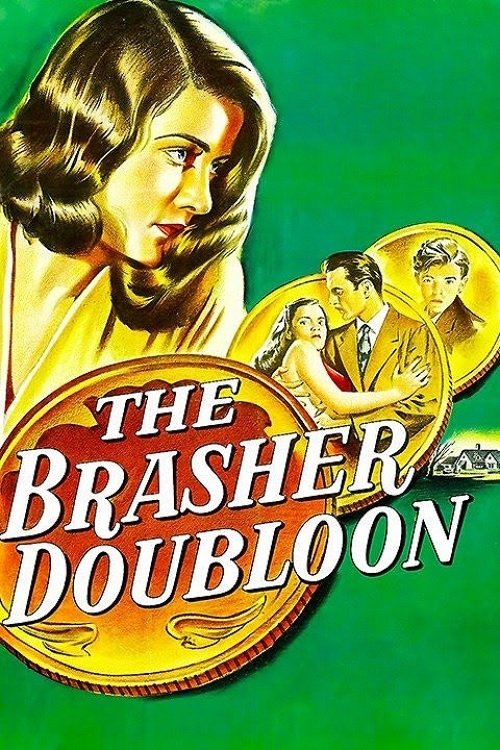
1947
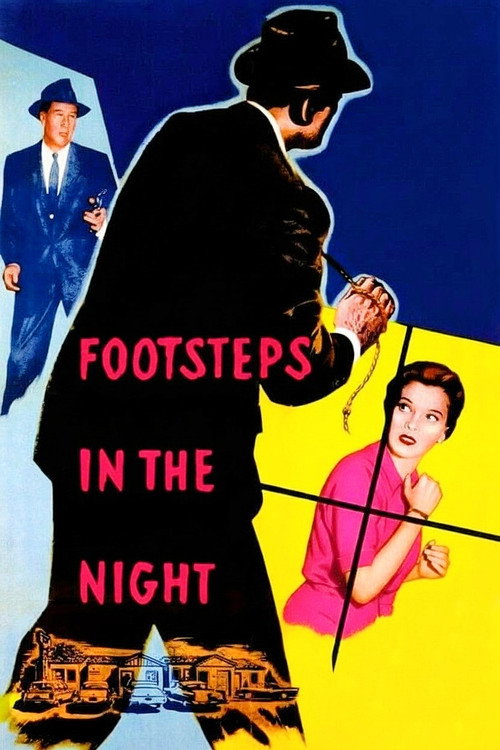
1957
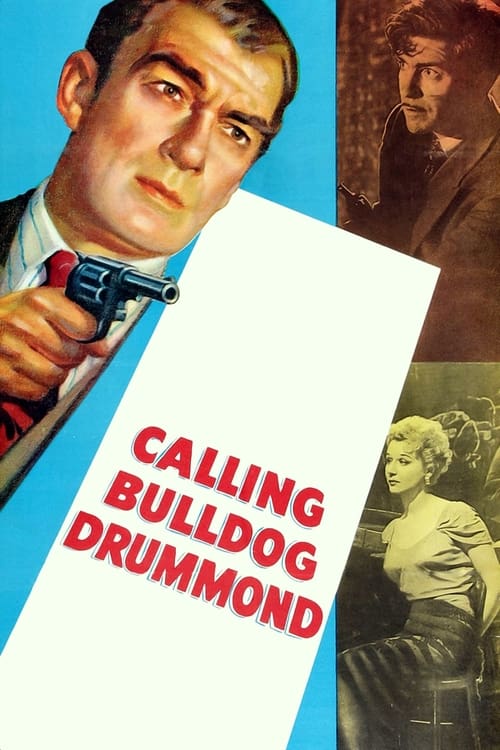
1951
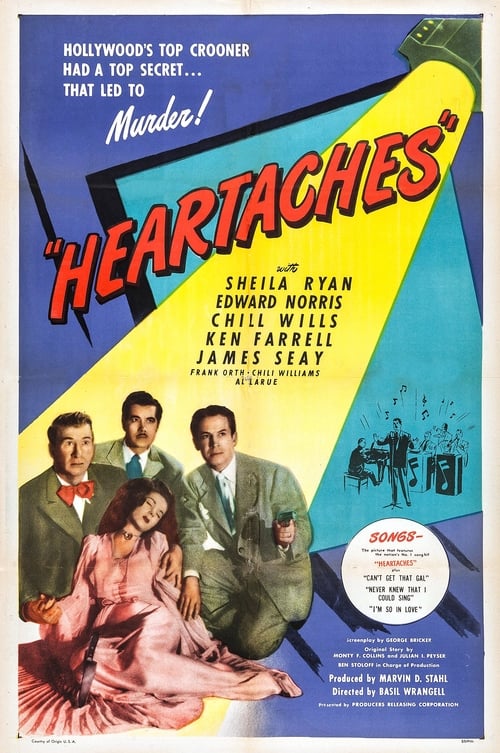
1947
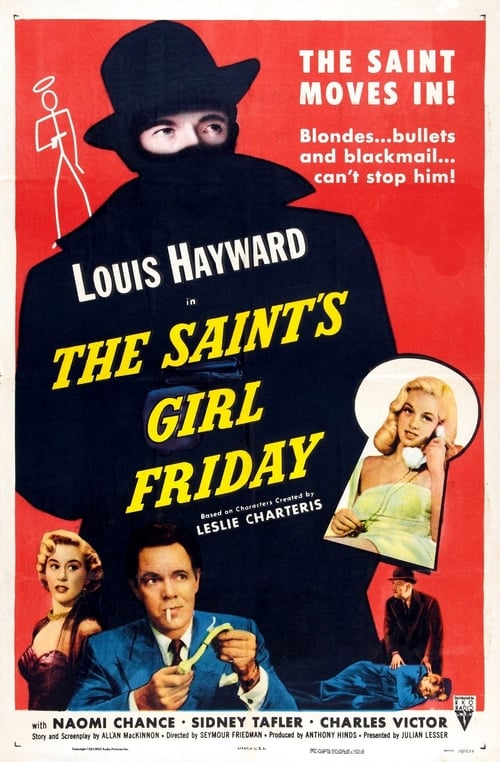
1953
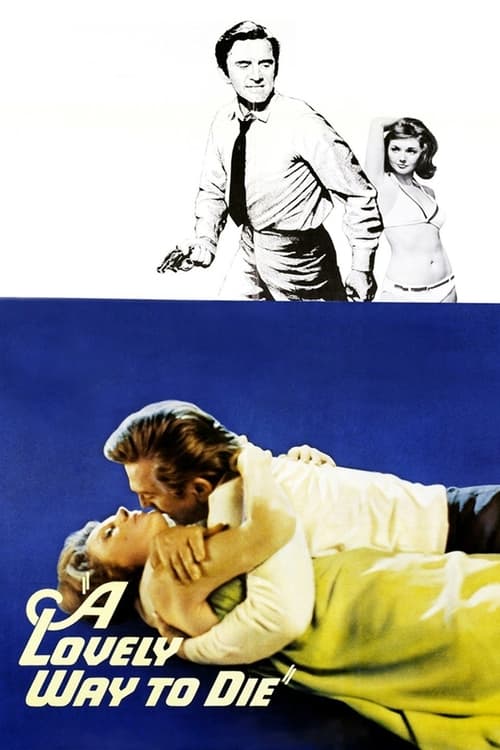
1968
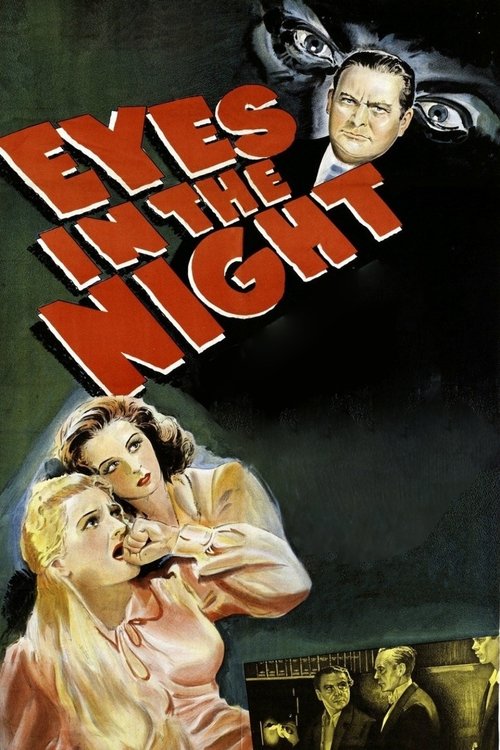
1942
No reviews yet. Be the first to share your thoughts on this movie!
Use the rating form above to leave a star rating and optional review.