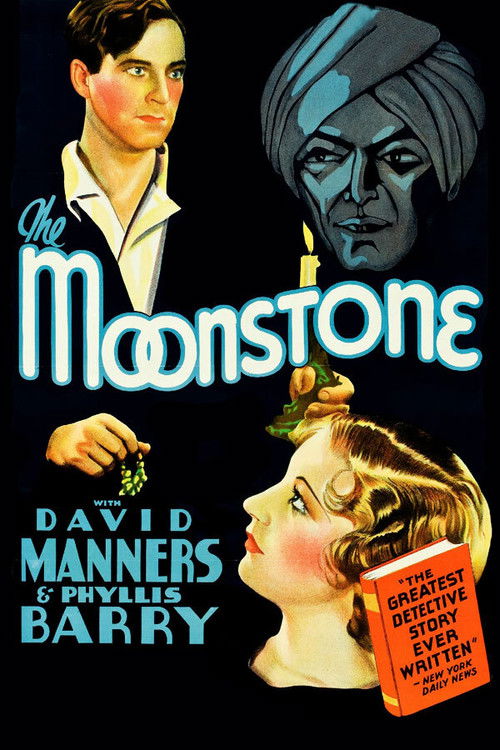
The Moonstone
1934
No user ratings available yet
Representation score: 2.9 out of 10
Representation Score
Minimal
1954
NRDirector
Robert Hamer
Runtime
91 minutes
Average Rating
No ratings yetNew Showbiz Analysis
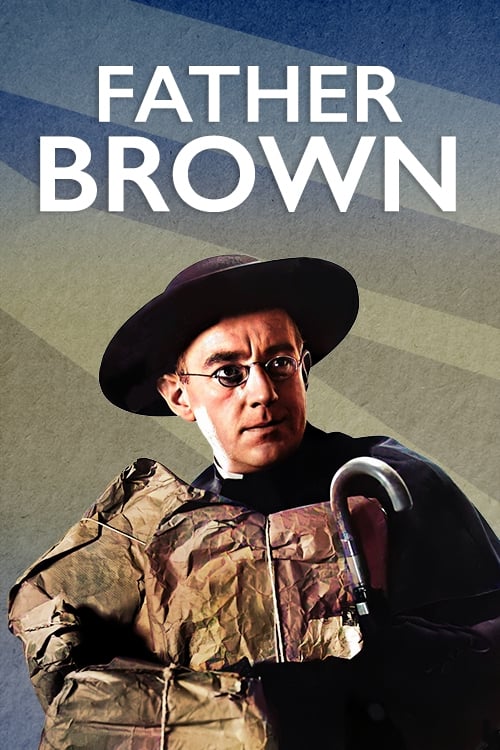
Father Brown (1954) functions as a study of mid-century social and religious stability. The film reinforces traditional hierarchies through its protagonist, whose intellectual and spiritual mission serves to uphold established moral norms rather than challenge them. The production is a product of its era, presenting a culturally specific, homogeneous view of English parish life. It lacks the presence of underrepresented groups, focusing instead on the preservation of Western institutional values. Because the story structure is designed to uphold rather than deconstruct social structures, it offers little engagement with progressive themes.
Category Breakdown
The film follows strict 1950s British social norms and does not depict any non-binary gender or same-sex relationships, operating within an assumption that everyone is straight or cisgender.
The narrative focuses on the male protagonist, Father Brown. Female characters exist within the village but primarily fulfill conventional social roles without challenging patriarchal structures.
The setting and casting reflect a homogeneous, Anglo-Saxon demographic. The film presents a localized view of British society that lacks ethnic diversity or considers multiple aspects of identity.
The story is rooted in the Catholic Church and English village life. It prioritizes religious morality and social stability over the critique of systemic institutions.
There is no representation of physical or neurodivergent disabilities. Characters are presented through a standard lens of mid-century health and functionality.
Present on Screen
Limited or Absent
Official Synopsis
Works of art are disappearing, stolen by a master thief, a master of disguise. Father Brown has two goals: to catch the thief and to save his soul.
1934
1946
1936
1964
1967
1975
1941
1934
No reviews yet. Be the first to share your thoughts on this movie!
Use the rating form above to leave a star rating and optional review.