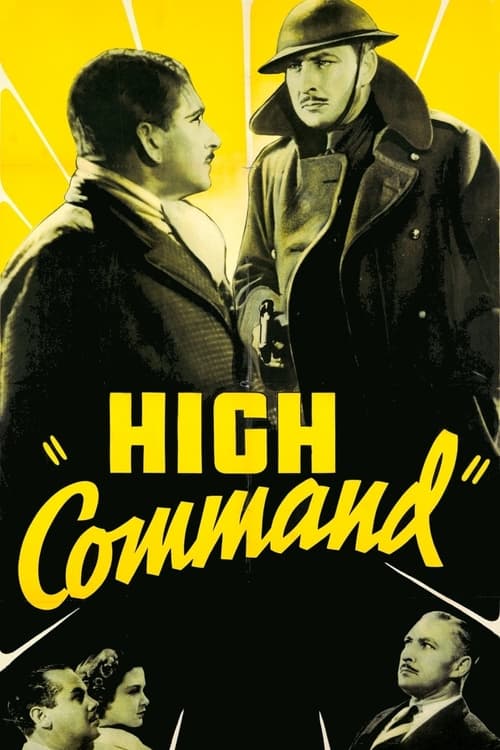
The High Command
1937
No user ratings available yet
Representation score: 1.1 out of 10
Representation Score
Minimal
1932
NRDirector
William K. Howard
Runtime
68 minutes
Average Rating
No ratings yetNew Showbiz Analysis
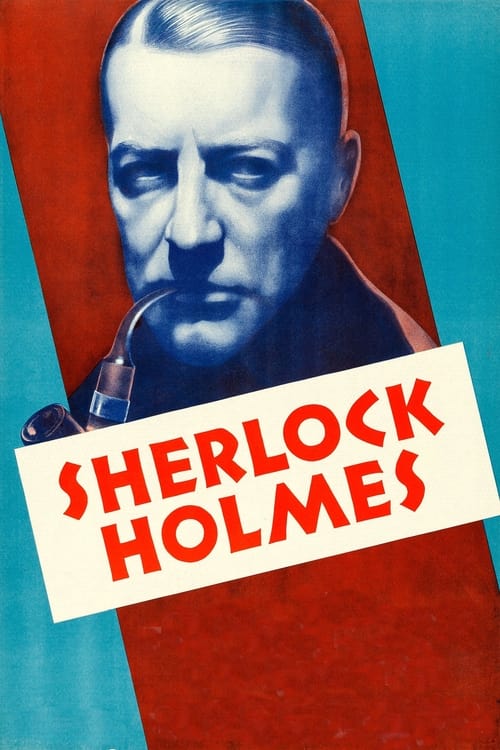
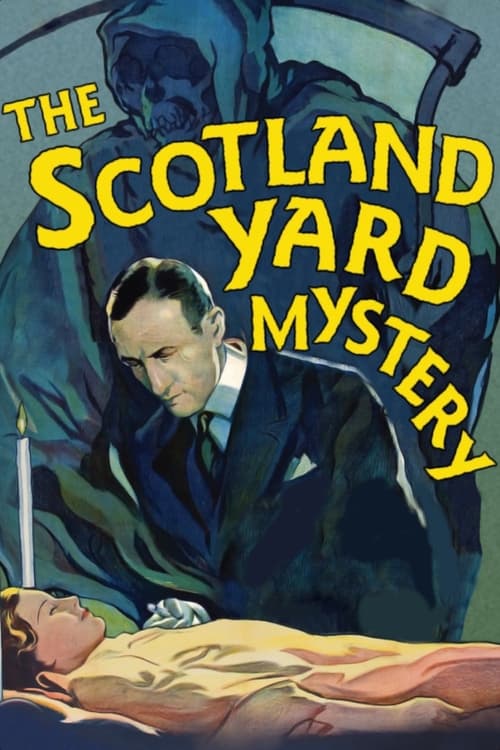
This 1932 adaptation follows the traditional genre conventions of its time, reinforcing rather than challenging the social and institutional norms of the era. The narrative centers around an all-white cast and traditional Western values, focusing on the restoration of legal stability through established authority figures like Holmes and Scotland Yard. Ultimately, the film lacks representation of diverse identities, disabilities, or non-traditional social structures, reflecting the rigid hierarchical and Anglo-centric perspectives of the time.
Category Breakdown
The film doesn't show any non-binary or LGBTQ+ identities or same-sex relationships. The story focuses only on heterosexual relationships.
Holmes is shown as highly intelligent and influential, but female characters mostly play supporting roles. The story emphasizes traditional male leadership and the social hierarchy of the time.
The cast is entirely white, reflecting the casting practices of the 1930s. It portrays a single, Anglo-centric view of Victorian London.
The story upholds social order by emphasizing Western institutional values. It highlights the effectiveness of established authorities and laws.
The film doesn’t depict any prominent physical or neurodivergent disabilities. Characters are portrayed as physically capable without addressing disability as part of their identity.
Present on Screen
Limited or Absent
Official Synopsis
Moriarty is sentenced to death, and Sherlock Holmes prepares to retire to the country and marry his girl. But Moriarty has sworn that Holmes, Lt. Col. Gore-King of Scotland Yard, and his trial judge shall all be hanged too. When Moriarty escapes and proceeds to put his threat into operation, Holmes has to postpone his retirement.
1937
1939
1934
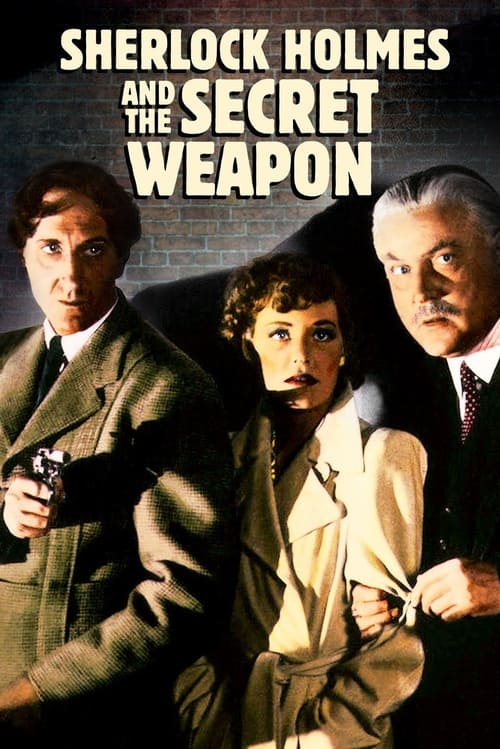
1942
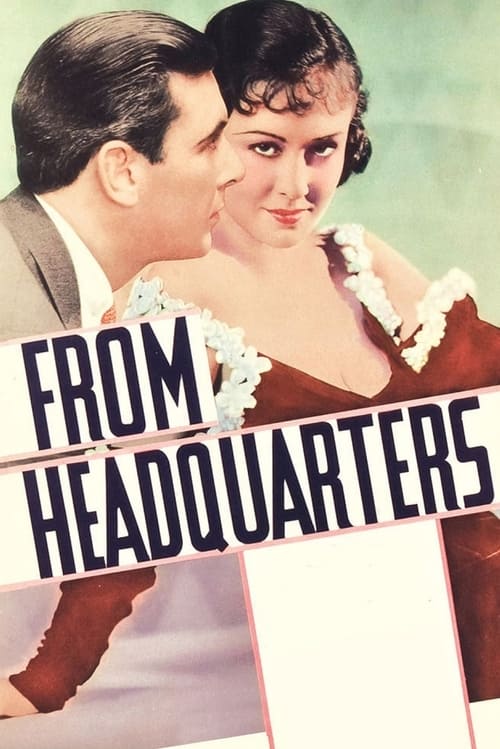
1933
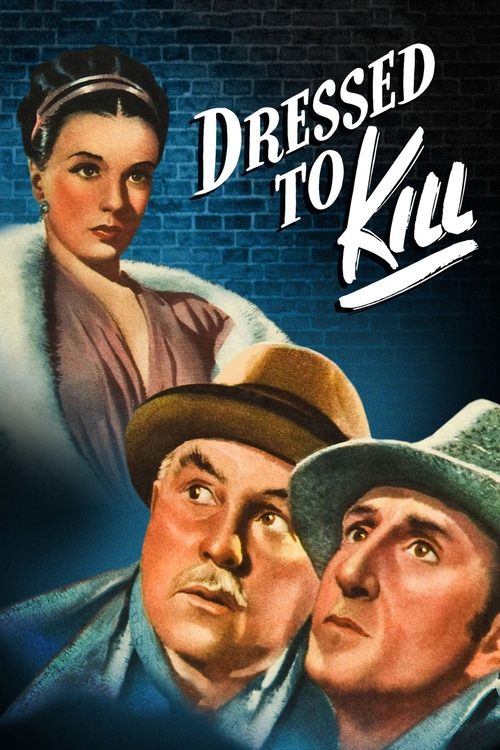
1946
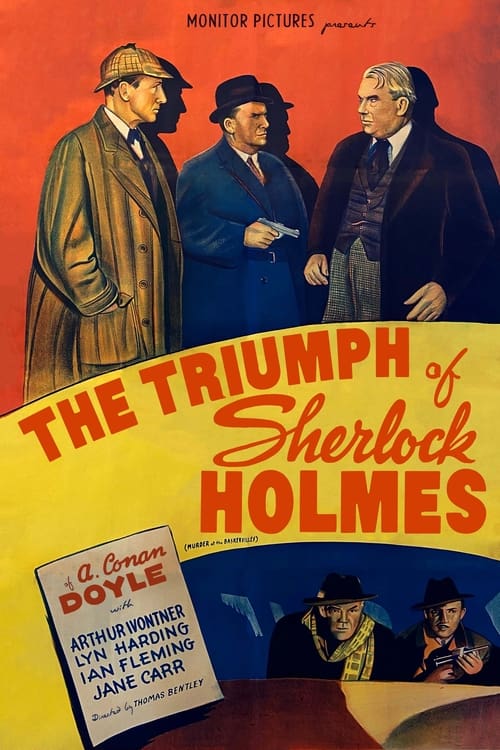
1935

1930
No reviews yet. Be the first to share your thoughts on this movie!
Use the rating form above to leave a star rating and optional review.