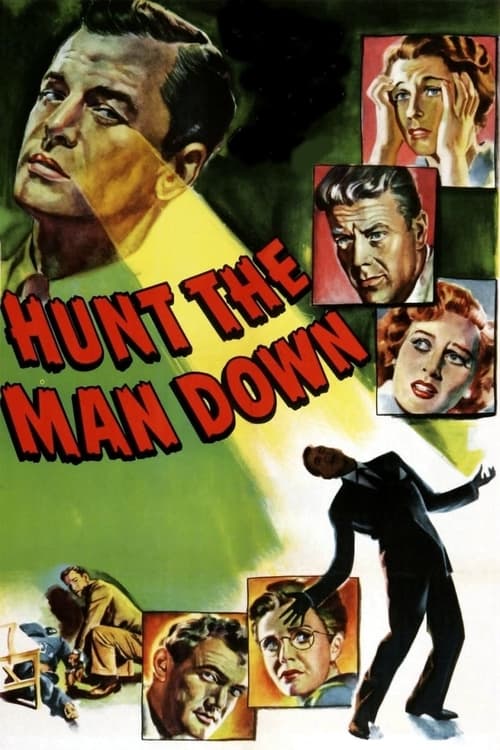
Hunt the Man Down
1950
No user ratings available yet
Representation score: 1.0 out of 10
Representation Score
Limited
1947
ApprovedDirector
John Brahm
Runtime
72 minutes
Average Rating
No ratings yetNew Showbiz Analysis
This film is a classic mid-century noir that adheres strictly to the social and narrative conventions of 1947. It relies on well-established genre clichés and traditional hierarchies without attempting to disrupt them. The film offers minimal representation across the board, featuring a cast that aligns with the dominant Anglo-Saxon norms of the period. The narrative focuses on psychological decay and material greed, avoiding exploration of diverse identities or social subversions. Ultimately, the film serves as a standard genre exercise in suspense, lacking the intentionality needed to represent underrepresented groups or challenge the status quo.
Category Breakdown
The film does not include any characters with LGBTQ+ identities or non-cisgender genders. It follows the traditional heterosexual norms of 1940s Hollywood.
Female characters play key roles in the mystery but are often portrayed as femme fatales. Their influence comes from deception rather than challenging traditional gender roles.
The cast is predominantly white, reflecting typical casting practices of the time. There are no significant roles for non-white characters.
The story presents a moral tale centered around greed and obsession. It adheres to traditional Western values without questioning institutional norms.
The film does not depict any characters with physical, sensory, or neurodivergent disabilities. Characters are shown within a standard able-bodied context.
Present on Screen
Limited or Absent
Official Synopsis
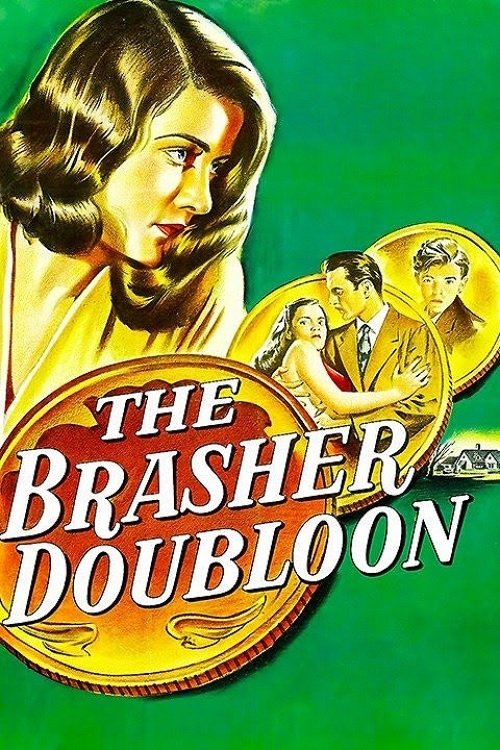
Mrs. Elizabeth Bright Murdock hires Marlowe to find an old rare coin, the Brasher Doubloon, that belonged in her deceased husband's collection. Marlowe begins investigating, but quickly finds himself entangled in a series of unexplained murders.
1950
1946
1948
1944
1931
1946
1937
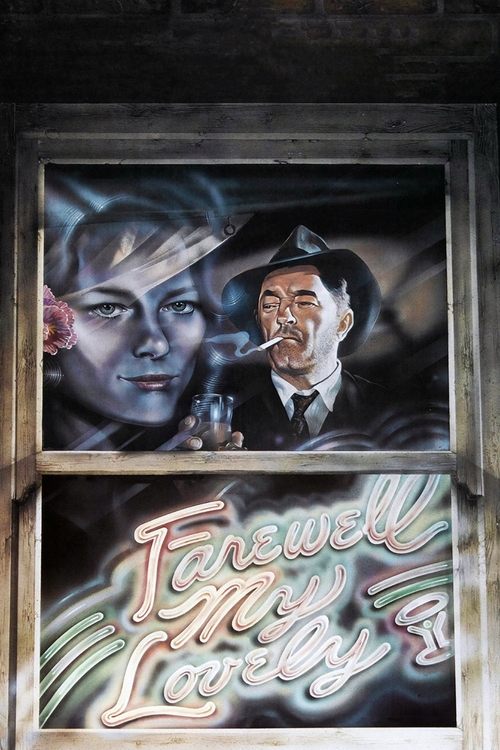
1975
No reviews yet. Be the first to share your thoughts on this movie!
Use the rating form above to leave a star rating and optional review.