
Arsène Lupin
2004
No user ratings available yet
Representation score: 1.5 out of 10
Representation Score
Limited
1957
NRDirector
Jacques Becker
Runtime
104 minutes
Average Rating
No ratings yetNew Showbiz Analysis
The film adheres to the structural conventions of mid-century European crime comedies. It relies on a traditional narrative focused on a singular male protagonist within a European historical context. While the film lacks diversity in terms of identity representation, it offers a subtle critique of class hierarchies. By portraying a thief as a mechanism for social equity, the story deconstructs institutional authority and traditional Western economic values. Ultimately, the work prioritizes thematic subversion over social inclusivity, challenging moral and legal sanctity through the 'gentleman thief' archetype.
Category Breakdown
The film does not include any visible LGBTQ+ characters or identities that go beyond the assumption that everyone is straight. The story focuses on a single protagonist without addressing queer identities.
The story centers on a male protagonist whose intelligence and tactical skills drive the plot. There is no evidence of female characters taking a leading role or challenging traditional masculine roles.
The setting suggests a homogeneous, European-centric historical landscape. There is no indication of a multi-ethnic cast or characters that challenge the era's demographic norms.
Lupin acts as a populist hero who redistributes wealth to the needy. This framing critiques concentrated capital and challenges conventional views of legal authority.
There is no information regarding the inclusion of characters with physical or neurodivergent disabilities.
Present on Screen
Limited or Absent
Official Synopsis
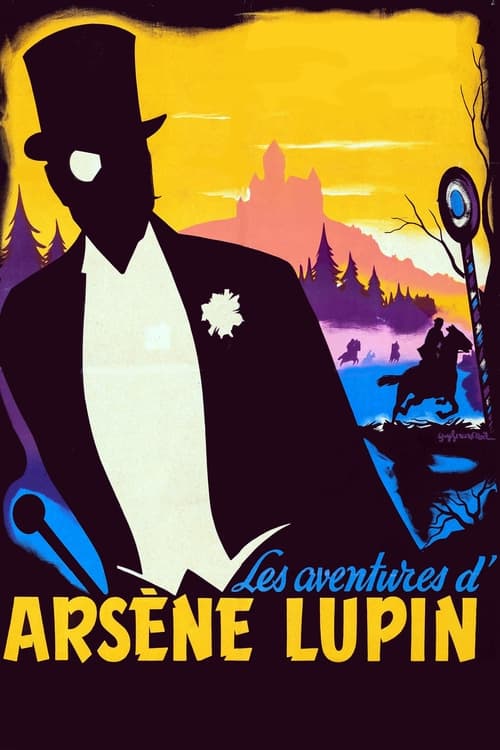
Arsène Lupin is extremely popular among the population, because he allows the needy to share in his acquired wealth. Before entering the service of the German Emperor Wilhelm II, he removes his vault in Alsace, steals two paintings of old masters, steals valuable gems and calls out to the police prefect to avoid his arrest. But this time he risks being seriously recognized. Lupin must once again use his fine intellect to deftly escape the situation.
2004

1922

1932

1964

1917

1962
1959

1963
No reviews yet. Be the first to share your thoughts on this movie!
Use the rating form above to leave a star rating and optional review.