
The Saint's Return
1953
No user ratings available yet
Representation score: 1.7 out of 10
Representation Score
Limited
1939
NRDirector
John Farrow
Runtime
64 minutes
Average Rating
No ratings yetNew Showbiz Analysis
This film is a typical genre piece reflecting the social and cinematic norms of 1939. It centers the male protagonist as the primary driver of action and investigation. While the plot delves into themes of corruption and justice, these are explored through a conventional mystery format. The narrative emphasizes individual heroism rather than challenging systemic power structures or offering diverse viewpoints. Overall, the film lacks significant representation across various identity categories, adhering to the era's focus on a homogeneous, straight-centered cast.
Category Breakdown
The film does not include any LGBTQ+ characters or non-straight identities. It follows a traditional storyline centered around heterosexual relationships.
Simon Templar is the main character who drives the story forward, emphasizing male control. Val, while important, mainly influences the plot through her father's death rather than her own actions.
The film does not show a diverse cast or include non-Anglo-Saxon characters in key roles. It seems to follow the homogeneous casting practices of its time.
The movie highlights institutional corruption within a police force but frames it as an individual quest for justice rather than a critique of broader societal issues.
There is no indication of physical or neurodivergent disabilities being portrayed in this film.
Present on Screen
Limited or Absent
Official Synopsis
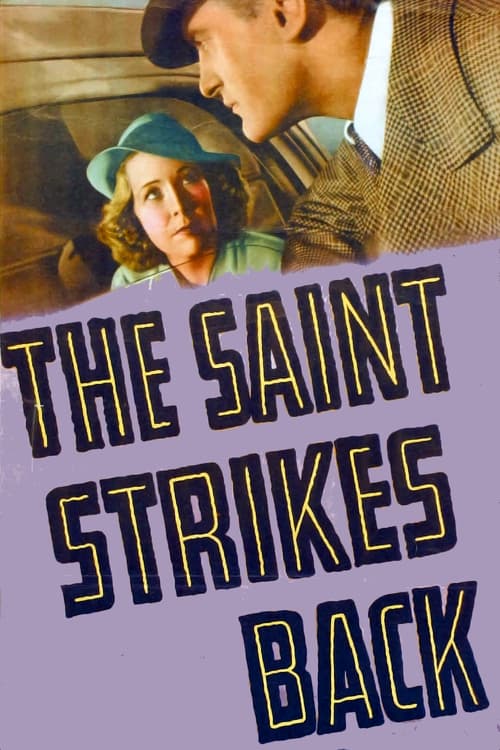
Suave private detective Simon "The Saint" Templar arrives in San Francisco and meets Val, a woman whose police inspector father killed himself after being accused of corruption and dismissed from the force. Convinced of the man's innocence, Templar takes it upon himself to vindicate the memory of Val's father. To do so he must take on the city's most dangerous criminal gang, while also battling hostile members of the police department.
1953
1942
1938
1948

1933

1946

1946
1942
No reviews yet. Be the first to share your thoughts on this movie!
Use the rating form above to leave a star rating and optional review.