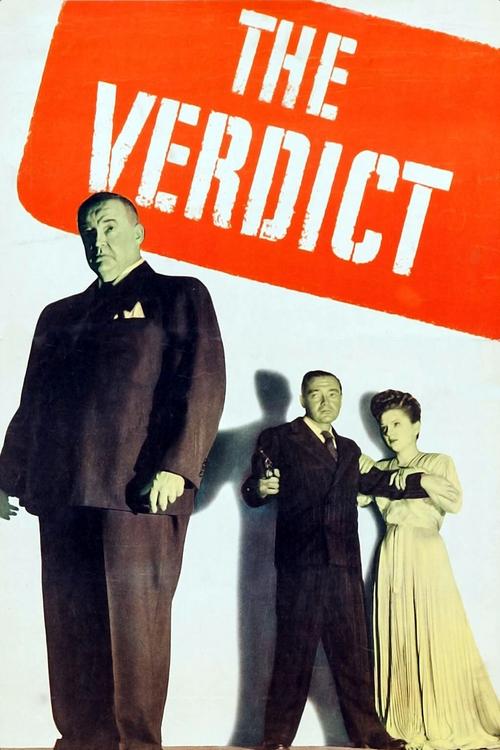
The Verdict
1946
No user ratings available yet
Diversity score: 1.6 out of 10
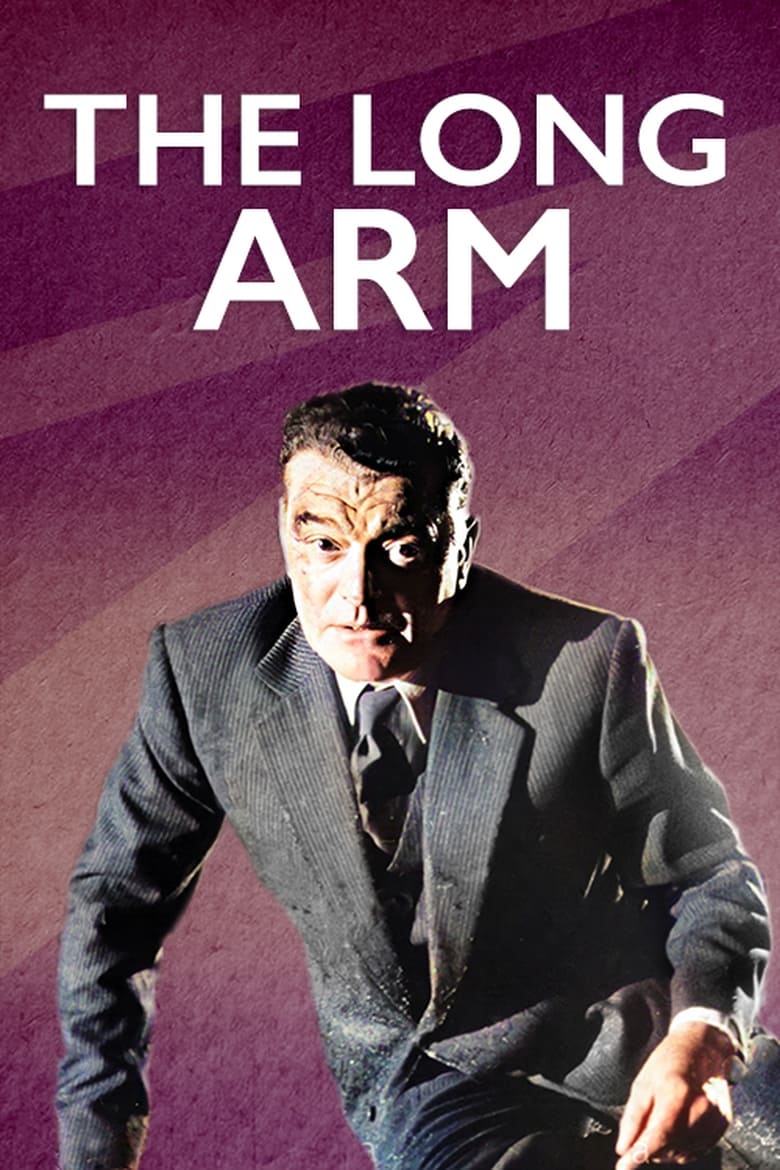
1956
NRDirector
Charles Frend
Runtime
96 minutes
Average Rating
No ratings yetSynopsis
Scotland Yard detectives attempt to solve a spate of safe robberies across England beginning with clues found at the latest burglary in London. The film is notable for using a police procedural style made popular by Ealing in their 1950 film The Blue Lamp. It is known in the US as The Third Key.
Overall Score
Minimal
Category Breakdown
LGBTQ+ Representation
The film focuses entirely on the mechanics of criminal investigation and law enforcement. It offers no engagement with non-cisnormative identities or critiques of heteronormativity.
Gender Representation
The narrative reinforces traditional hierarchies by centering a male-dominated police force. Agency in detective work and physical pursuit is almost exclusively granted to male characters.
Racial & Ethnic Diversity
The cast is largely homogeneous, reflecting the demographic norms of mid-1950s British cinema. It depicts a standard Anglo-Saxon landscape with little visible ethnic diversity.
Religious & Cultural Diversity
The film validates the legitimacy of state authority and the legal system. It avoids moral relativism, presenting a clear distinction between lawful citizens and criminals.
Disability Representation
There are no characters with visible or invisible disabilities who possess narrative agency. The focus remains strictly on the professional capabilities of investigators and criminals.
Strengths
Areas for Improvement
AI Analysis
The Long Arm functions as a traditionalist crime procedural that prioritizes institutional stability over social exploration. It adheres to the established social structures of 1950s Britain, focusing on the procedural logic of Scotland Yard. The film lacks engagement with intersectional identities, presenting a homogeneous view of society. It reinforces patriarchal and Anglo-Saxon norms through its casting and narrative focus. Ultimately, the work serves to uphold the existing social contract and the authority of the state rather than challenging conventional social norms.
1946
1951
1950
1952
1947
1957
1939
1957
1957
1959
1945
1954
No reviews yet. Be the first to share your thoughts on this movie!
Use the rating form above to leave a star rating and optional review.