
Stranger on the Third Floor
1940
No user ratings available yet
Representation score: 1.7 out of 10
Representation Score
Minimal
1946
ApprovedDirector
Don Siegel
Runtime
86 minutes
Average Rating
No ratings yetNew Showbiz Analysis
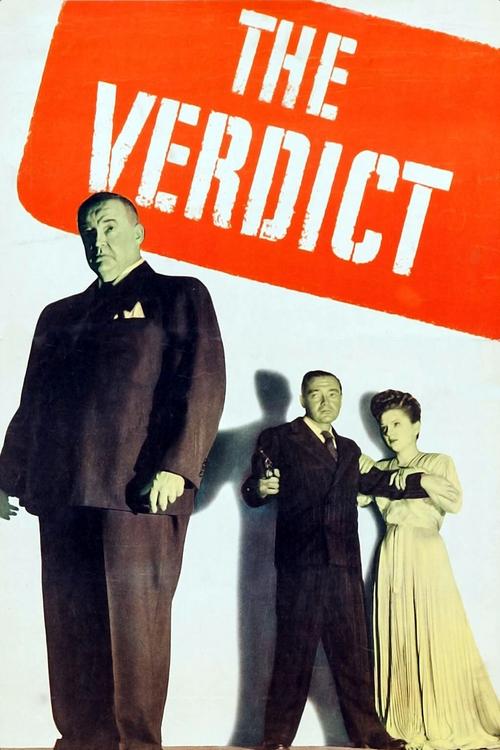
The Verdict is a crime drama set in the mid-1940s that adheres to conventional social hierarchies. Its narrative emphasizes individual morality and the restoration of institutional order over systemic critique or diverse representation. The film maintains a culturally uniform environment and lacks engagement with underrepresented identities. While the protagonist's struggle with alcoholism is a central conflict, it is framed as a moral failing rather than a health issue.
Category Breakdown
There are no LGBTQ+ characters or depictions of same-sex relationships in the film.
The story centers around a male protagonist whose journey is driven by his interactions with a female character. The female lead primarily serves to catalyze the male protagonist's moral development.
The cast is predominantly white, with no significant presence of characters of color or exploration of racial diversity.
The film upholds traditional Western values and focuses on restoring order within existing legal systems without critiquing them.
Alcoholism is portrayed as a moral failing to be overcome by personal strength, and there are no depictions of disabilities handled with ability to act.
Present on Screen
Limited or Absent
Official Synopsis
After an innocent man is executed in a case he was responsible for, a Scotland Yard superintendent finds himself investigating the murder of his key witness.
1940
1947

1950

1944
1957
1948
1948
1948
No reviews yet. Be the first to share your thoughts on this movie!
Use the rating form above to leave a star rating and optional review.