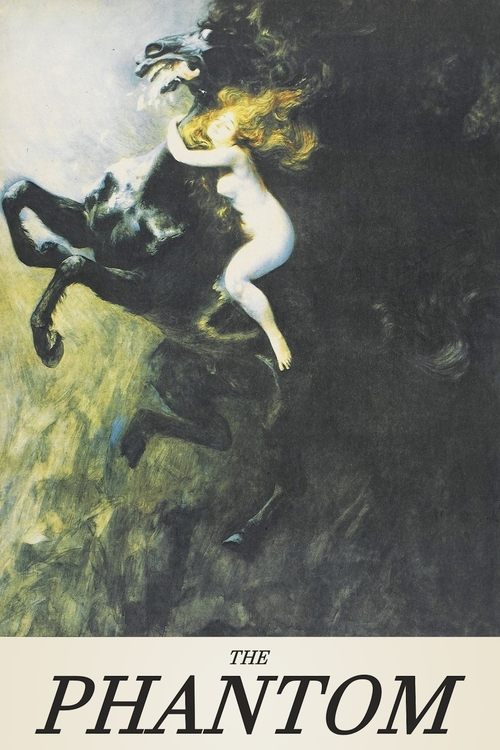
The Phantom
1984
No user ratings available yet
Diversity score: 5.0 out of 10
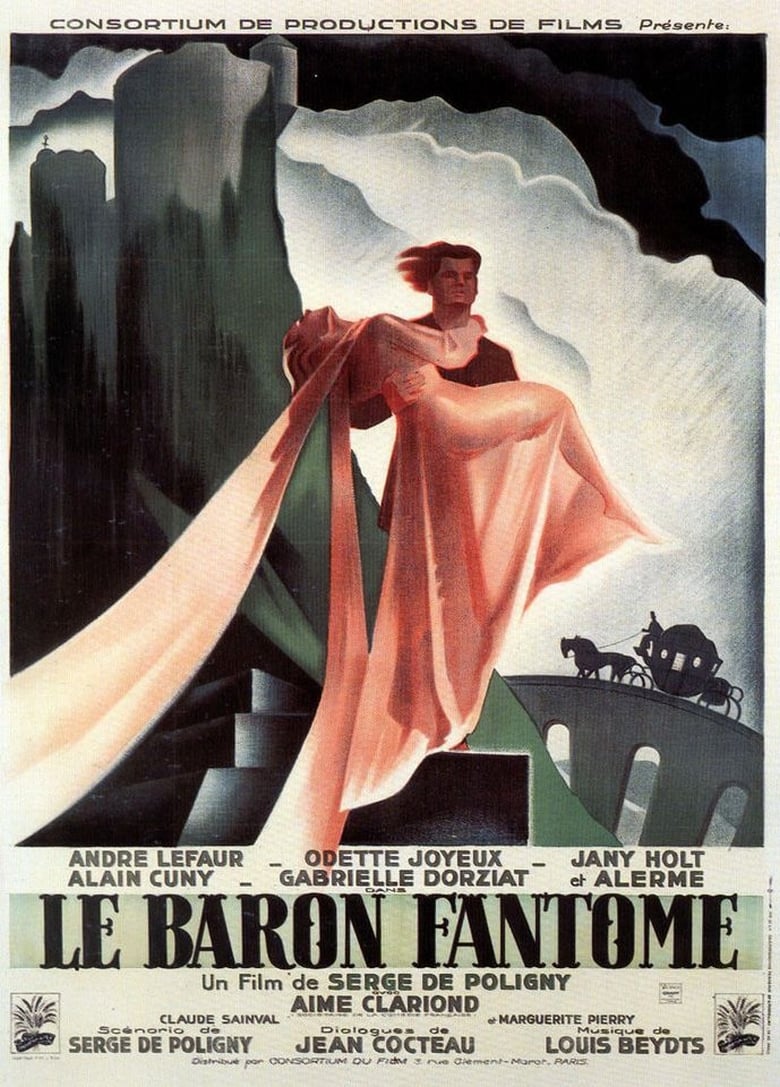
1943
Director
Serge de Poligny
Runtime
99 minutes
Average Rating
No ratings yetSynopsis
Elfy, Countess of Saint-Hélié's daughter, was brought up with her foster sister Anne, in an old dilapidated castle whose landlord, Baron Julius Carol, disappeared mysteriously some day. The two girls had a playmate, Hervé, the son of the gamekeeper. Now that they are adult, Anne is in love with Hervé while Elfy thinks she loves the young man. One day, the baron's mummified body is found in an oubliette and the secret of the estate is revealed...
Overall Score
Limited
Category Breakdown
LGBTQ+ Representation
The film follows a traditional romantic triad involving Anne, Elfy, and Hervé. There is no indication of non-heteronormative identities or same-sex intimacy within the narrative.
Gender Representation
Female characters drive the emotional core and plot mechanics. The tension centers on Elfy and Anne's perceptions of love and their navigation of the estate's secrets.
Racial & Ethnic Diversity
The cast appears to be a historically homogeneous European group. The character roles suggest a lack of racial blending typical of 1940s French cinema.
Religious & Cultural Diversity
The story critiques aristocratic stability through the decay of a landed estate. The discovery of the Baron's body highlights the instability of established lineages.
Disability Representation
The film provides no information regarding characters with visible or invisible disabilities.
Strengths
Areas for Improvement
AI Analysis
The film operates as a period-specific psychological drama that prioritizes atmospheric tension over modern identity politics. While it lacks intersectional representation, it avoids being a purely male-centric gothic tale by centering the agency of its female protagonists. The narrative uses the crumbling estate to deconstruct aristocratic power. This thematic focus on the dissolution of social hierarchies provides a subtle layer of cultural critique, even if the cast remains demographically narrow. Ultimately, the work is defined by its historical context, offering a study of interpersonal complexity and class instability rather than explicit social commentary.
1984
1926
1936
1920
1947

1956
1985
1934
1933

1933

1968
1947
No reviews yet. Be the first to share your thoughts on this movie!
Use the rating form above to leave a star rating and optional review.