To Each His Own
1946
No user ratings available yet
Diversity score: 2.5 out of 10
1933
PassedDirector
Mitchell Leisen
Runtime
76 minutes
Average Rating
No ratings yetSynopsis
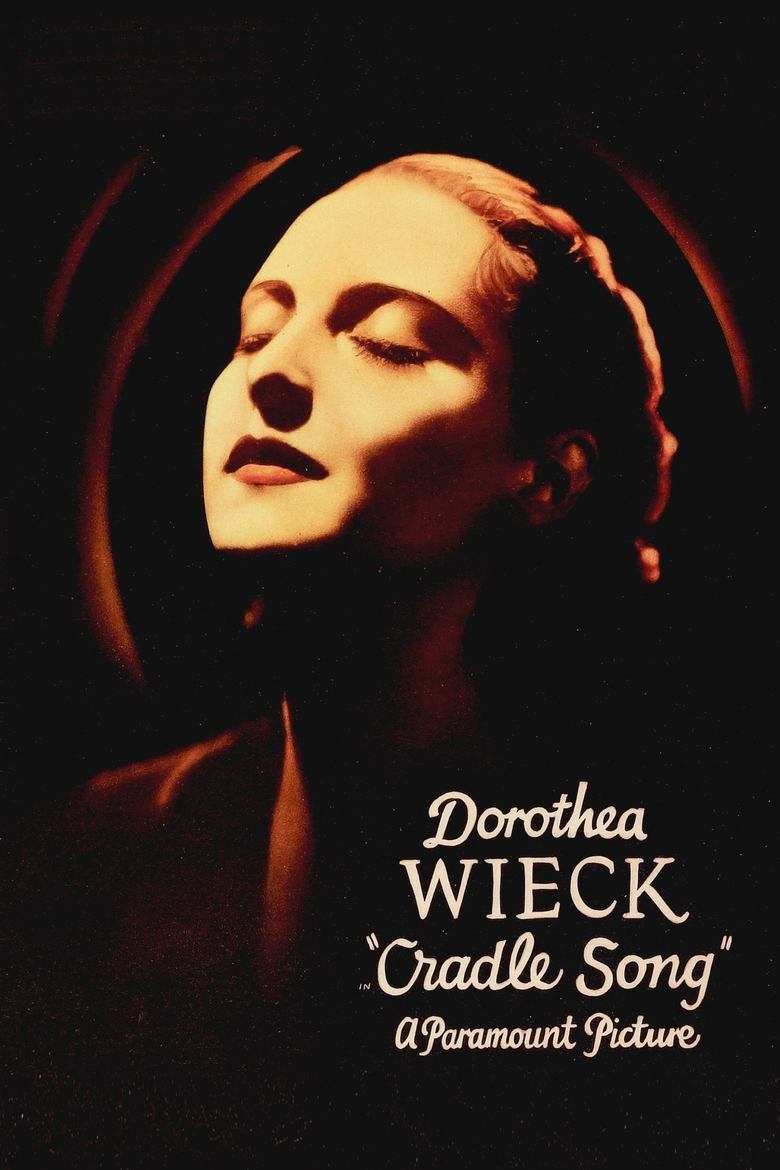
In a deeply cloistered convent, nun Dorothea Wieck raises a foundling to be Evelyn Venable. But at 17, what if, guided by a kindly doctor, she sees the world and finds love?
Overall Score
Limited
Category Breakdown
LGBTQ+ Representation
The film contains no depictions of non-heteronormative identities. Romantic arcs and interpersonal dynamics remain strictly within traditional heteronormative frameworks.
Gender Representation
The story centers on a woman navigating the social stigma of unwed motherhood. While it explores female agency, the portrayal remains tethered to traditional emotional labor.
Racial & Ethnic Diversity
The production features a predominantly white cast, reflecting the demographic homogeneity of early Hollywood. There is a lack of meaningful racial or ethnic intersectionality in the plot.
Religious & Cultural Diversity
The film offers a subtle critique of social hypocrisy regarding moral judgments of single mothers. The convent setting serves as a backdrop rather than a vehicle for systemic critique.
Disability Representation
There are no prominent depictions of physical, sensory, or neurodivergent disabilities within the primary narrative focus.
Strengths
Areas for Improvement
AI Analysis
Cradle Song is a period character study that finds its strength in exploring the friction between institutional morality and individual agency. It offers a nuanced look at the social stigma surrounding unwed motherhood, providing a rare moment of empathy for a woman navigating marginalization in the 1930s. However, the film is limited by the era's standard casting and narrative practices. It lacks any meaningful representation of racial, ethnic, or LGBTQ+ identities, and provides no visibility for characters with disabilities. Ultimately, while the film challenges certain gendered expectations of respectability, it operates within a highly traditional framework that fails to disrupt broader systemic power dynamics.
1946

1994

1917
1932
1921
1930
2012
1934
1975
1931
1931

1993
No reviews yet. Be the first to share your thoughts on this movie!
Use the rating form above to leave a star rating and optional review.