The Gardener
1912
No user ratings available yet
Diversity score: 2.7 out of 10
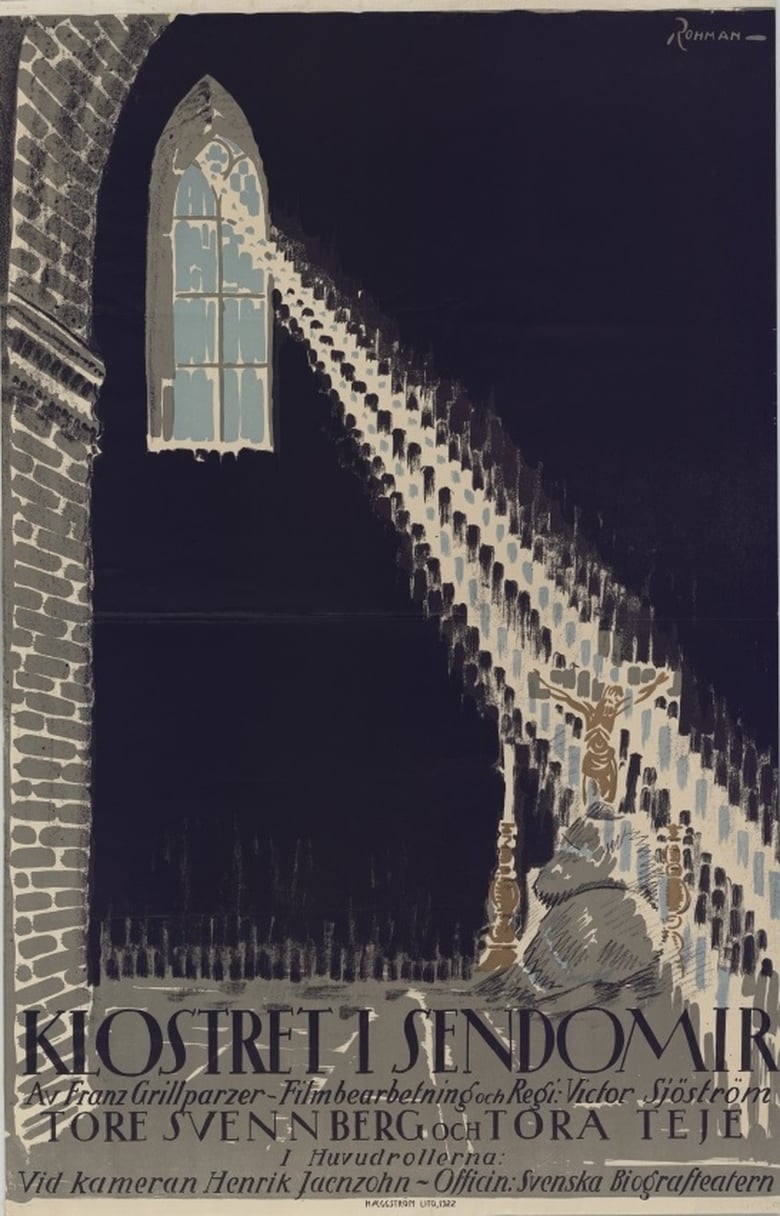
1920
Director
Victor Sjöström
Runtime
54 minutes
Average Rating
No ratings yetSynopsis
When two riders come to the monastery seeking shelter for the night they inquire from one of the monks about the founding of the monastery. The old monk reluctantly recounts the story of Count Starschensky, a nobleman of wealth and property. Starschensky is blessed with domestic happiness, however, he later finds that his young wife, Elga, has been sneaking her lover into the castle in evenings when he is away, and that their only child is not his, but a product of this affair. Tragedy ensues and the count sells his estates and establishes the monastery as part of his penance.
Overall Score
Limited
Category Breakdown
LGBTQ+ Representation
The film centers on 17th-century aristocratic intrigue and infidelity. It lacks any depiction of non-cisnormative identities or same-sex intimacy, reinforcing traditional heteronormative marriage structures.
Gender Representation
The narrative follows a patriarchal framework where the male count drives the plot. The female lead's role is defined by her infidelity and the resulting consequences.
Racial & Ethnic Diversity
Set in a 17th-century European context, the film reflects the demographic homogeneity of its period. There is no evidence of multi-ethnic casting or racial subversion.
Religious & Cultural Diversity
The story explores the tension between secular power and religious institutions. It offers a psychological study of guilt rather than a purely celebratory view of faith.
Disability Representation
There is no documented evidence regarding the portrayal of physical or neurodivergent disabilities within the film's narrative.
Strengths
Areas for Improvement
AI Analysis
Sjöström’s drama is a period piece deeply rooted in the social hierarchies of the 17th century. While the flashback structure allows for psychological depth, the story remains confined to the demographic and gendered norms of its era. The film focuses on themes of betrayal and atonement within a traditional European framework. The central conflict revolves around marital infidelity and the subsequent establishment of a monastery, which reinforces existing patriarchal and religious structures. Ultimately, the film functions as a character study of guilt rather than a vehicle for diverse representation. It adheres strictly to the historical and social constraints of its setting.
1912
1917

1918
1925
1912
1920
1914
1935
1925
1933
1920
1916
No reviews yet. Be the first to share your thoughts on this movie!
Use the rating form above to leave a star rating and optional review.