
The Lovemakers
1961
No user ratings available yet
Diversity score: 4.4 out of 10

1956
Director
Riccardo Freda
Runtime
93 minutes
Average Rating
No ratings yetSynopsis
The beautiful Beatrice Cenci, daughter of the noble Francesco, falls in love with Olimpio. But she has to face the jealousy of his violent and morbid father, and the hostility of his stepmother Lucrezia, who has a relationship with her other stepson, James. The stepmother and stepson-lover plan to kill Francesco. And when the latter dies accidentally, they decide to put the blame on Beatrice and Olimpio.
Overall Score
Fair
Category Breakdown
LGBTQ+ Representation
The film centers on heteronormative romance and familial betrayal. There is no explicit depiction of non-cisnormative identities or same-sex intimacy within the narrative.
Gender Representation
Beatrice serves as a proactive protagonist rather than a passive victim. The story highlights the moral decay of patriarchal figures and the agency of women navigating oppressive systems.
Racial & Ethnic Diversity
The casting is homogeneous, reflecting the historical European setting. The film presents a traditional Anglo-European cast without intentional racial blending.
Religious & Cultural Diversity
The narrative critiques the corruption of Western institutions and noble hierarchies. It portrays the traditional domestic unit as a site of chaos and systemic dysfunction.
Disability Representation
There are no prominent depictions of physical or neurodivergent disabilities that serve as central character traits or plot drivers.
Strengths
Areas for Improvement
AI Analysis
Riccardo Freda’s drama succeeds in deconstructing the stability of aristocratic life. By framing the noble household as a site of crime and instability, the film challenges the sanctity of traditional patriarchal authority. However, the film is limited by its historical context. The casting remains strictly homogeneous, and the romantic frameworks adhere to the conventional mid-century standards of the era. Ultimately, the work is a study of systemic corruption. It trades traditional moral didacticism for a gritty exploration of how individuals react to predatory social structures.
1961
1969
1969
1973
1983
1975
1967
1976
1953
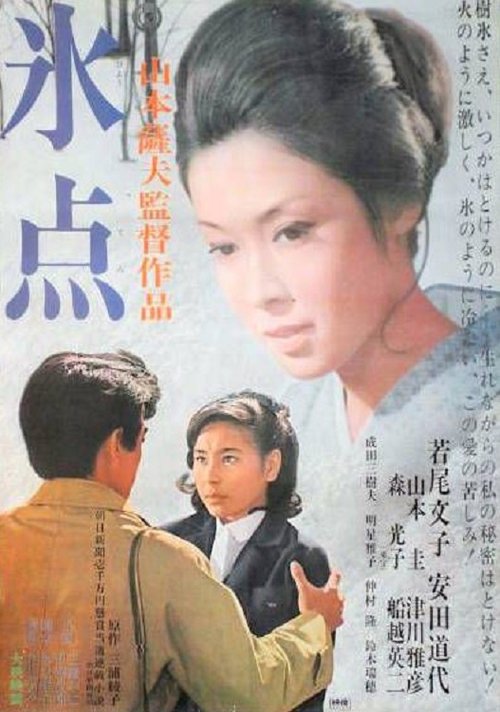
1966
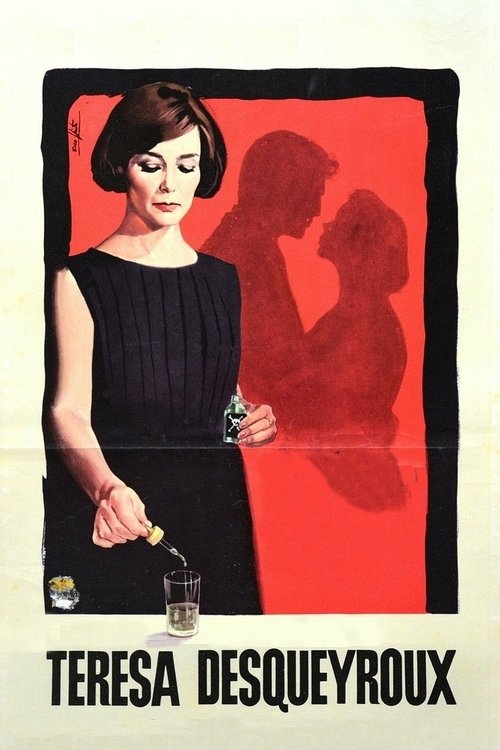
1962
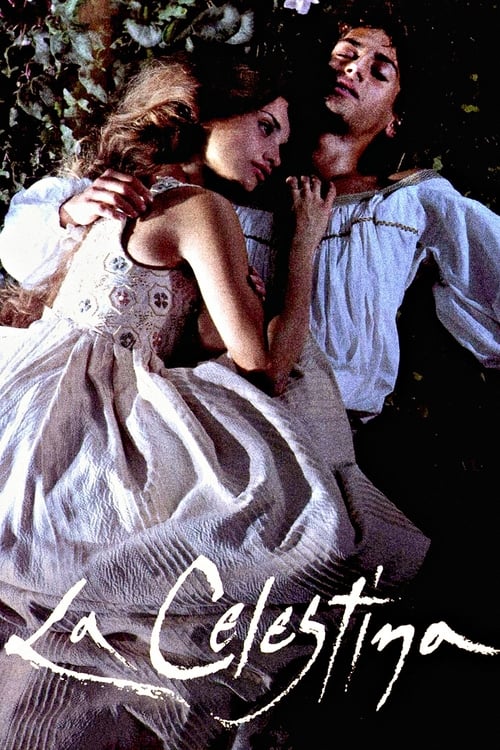
1996
No reviews yet. Be the first to share your thoughts on this movie!
Use the rating form above to leave a star rating and optional review.