Taboo
1988
No user ratings available yet
Representation score: 4.5 out of 10
Representation Score
Good
1984
Director
Marek Nowicki
Runtime
90 minutes
Average Rating
No ratings yetNew Showbiz Analysis
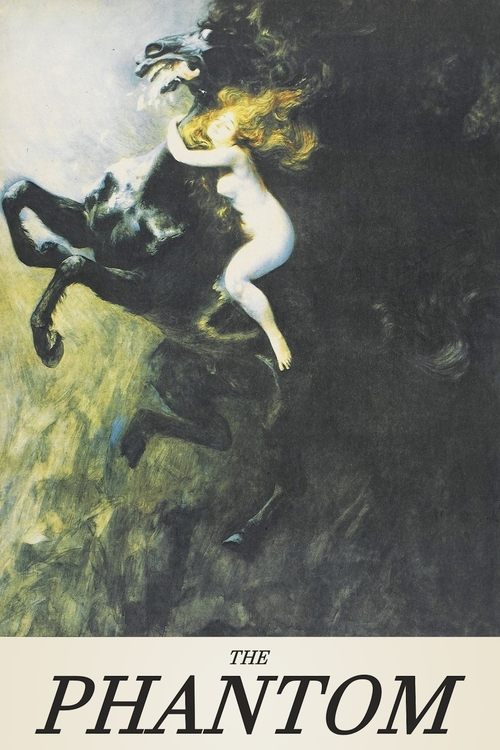
The Phantom is a character-driven drama that explores the instability of traditional social and marital hierarchies. It moves away from conservative period clichés by centering on characters who defy conventional expectations of duty and class. While the film lacks explicit markers of modern multi-layered identity, it succeeds in portraying women's ability to drive the story and the deconstruction of patriarchal stability. The narrative uses personal obsession and infidelity to challenge the moralistic frameworks typical of early 20th-century settings. However, the film's diversity is limited by its period setting and the potential for characters with disabilities or different social statuses to serve merely as plot devices rather than fully realized individuals.
Category Breakdown
The film focuses on infidelity and unconventional romantic relationships rather than explicit LGBTQ+ identities. There is no evidence of non-straight gender identities or LGBTQ+-coded subtext within the narrative.
The female protagonist exercises a significant role in driving the story by rejecting domestic constraints to pursue an independent romantic life. This portrayal shifts the female role from a passive figure to an active agent of desire.
The early 20th-century setting suggests a period-specific social hierarchy. While racial diversity is not explicitly detailed, the narrative emphasizes socio-economic stratification between the aristocracy and the peasantry.
The plot deconstructs traditional institutions by centering on obsession and class-crossing sensuality. It critiques the sanctity of the nuclear family and the stability of the landed aristocracy.
A mysteriously paralyzed lover introduces disability into the story. However, this character may function more as a symbolic plot device than a person with full ability to act.
Present on Screen
Limited or Absent
Official Synopsis
Set in the early years of the century. A story of a country gentleman haunted by the memory of his first wife. His current wife, had enough of his obsession and has taken a lover, who is mysteriously paralyzed. Meanwhile, main character's son gets his first taste of sensual experience with a mute peasant girl.
1988
1985
1970

1989
1982

1971
1921
1971
No reviews yet. Be the first to share your thoughts on this movie!
Use the rating form above to leave a star rating and optional review.