
The Girl in the Glass Cage
1929
No user ratings available yet
Diversity score: 2.9 out of 10
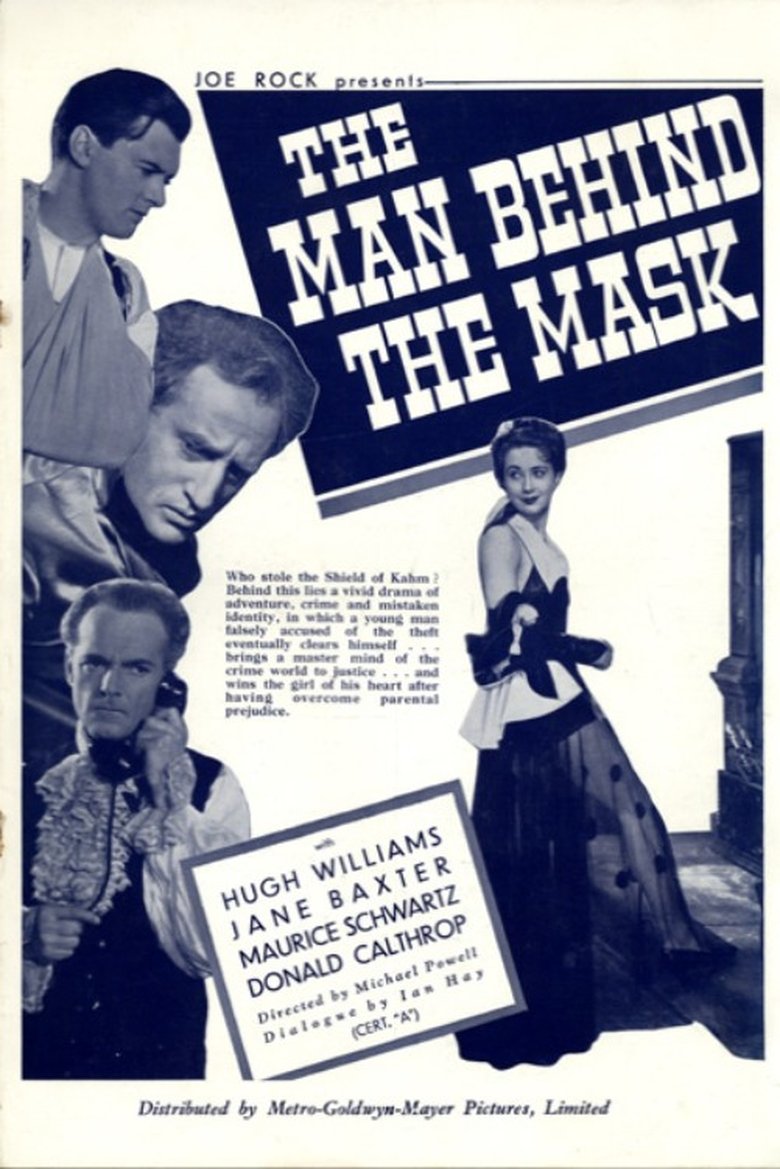
1936
Director
Michael Powell
Runtime
56 minutes
Average Rating
No ratings yetSynopsis
A young couple attend a masked ball before their planned (but secret) elopement. Suddenly everything goes wrong when the young woman is attacked and held hostage by a crazed attacker.
Overall Score
Limited
Category Breakdown
LGBTQ+ Representation
The film lacks evidence of non-cisnormative identities or same-sex intimacy. The focus on a young couple suggests a traditional heteronormative framework typical of the era.
Gender Representation
The plot relies on a woman being attacked and held hostage, positioning her as a passive recipient of conflict. While elopement suggests some autonomy, the tension reinforces conventional gender hierarchies.
Racial & Ethnic Diversity
The production reflects the homogeneous demographic norms of 1936 Britain. There is no indication of non-white casting or intersectional representation within the narrative.
Religious & Cultural Diversity
The story operates within a traditional Western dramatic framework centered on romantic suspense. It lacks critiques of institutions or the deconstruction of traditional family units.
Disability Representation
There is no mention of characters navigating physical, sensory, or neurodivergent conditions. No information is available regarding the portrayal of disability in this work.
Strengths
Areas for Improvement
AI Analysis
This early Michael Powell drama adheres strictly to the genre conventions and social standards of 1936. The narrative prioritizes suspense and romantic tropes over any meaningful subversion of social hierarchies. The film's structure relies on traditional gendered vulnerability, with the female lead serving as a victim of circumstance. This reflects the period's standard approach to dramatic tension and character agency. Demographically, the work appears homogeneous, lacking racial or cultural diversity. It functions as a conventional piece of mid-1930s British cinema rather than a transformative or inclusive narrative.
1929
1953
1933
1950
1947

1933
1943
1944
1927

1931
1937
1940
No reviews yet. Be the first to share your thoughts on this movie!
Use the rating form above to leave a star rating and optional review.