
Suzy
1936
No user ratings available yet
Diversity score: 2.9 out of 10

1932
ApprovedDirector
George Fitzmaurice
Runtime
70 minutes
Average Rating
No ratings yetSynopsis
Bar entertainer Zara is a discontented alcoholic who is pursued by many men but lives with novelist Carl Salter. One day, Tony shows up on Salter's estate claiming that Zara is actually Maria, the wife of his close friend Bruno, claiming that her memory was destroyed during World War I. Zara doesn't remember but leaves with Tony to Salter's dismay. Bruno, now an officer in the Italian Army, tries to coax Maria's memory back on his large estate. No one is really sure if Zara is Maria, and when Salter shows up with a mental case from Trieste that he claims is the real Maria, everyone on Bruno's estate is desperately searching for the truth.
Overall Score
Limited
Category Breakdown
LGBTQ+ Representation
The film adheres to traditional romantic frameworks of the early 1930s. It focuses on heteronormative pairings and lacks any depiction of non-cisnormative identities or same-sex intimacy.
Gender Representation
Zara is a complex protagonist whose agency and discontented nature challenge passive female archetypes. However, her character arc remains heavily tied to her role within romantic and marital structures.
Racial & Ethnic Diversity
The cast is predominantly white, reflecting the production standards of 1932. The story focuses on upper-class European social strata without utilizing diverse casting to challenge social norms.
Religious & Cultural Diversity
The narrative emphasizes individual passion and romantic melodrama over systemic critique. Social hierarchies are presented as a natural backdrop rather than as oppressive structures.
Disability Representation
A 'mental case' is used as a narrative device to drive the mystery of the protagonist's identity. This relies on psychological instability as a plot catalyst rather than nuanced character study.
Strengths
Areas for Improvement
AI Analysis
As You Desire Me is a period-typical romantic melodrama that prioritizes individualist passion over social critique. While it offers a more nuanced portrayal of female agency through Zara's complex desires, it remains firmly rooted in the era's conventional social structures. The film lacks intersectional depth, failing to include diverse casting or any representation of LGBTQ+ identities. The narrative relies on traditional tropes, particularly regarding mental health, to advance its central mystery. Ultimately, the film serves as a reflection of 1930s cinematic constraints, focusing on aristocratic drama rather than the exploration of marginalized identities or systemic subversion.
1936
1961
1925
1933
1940
1925
1929
1931

1951
1922
1925
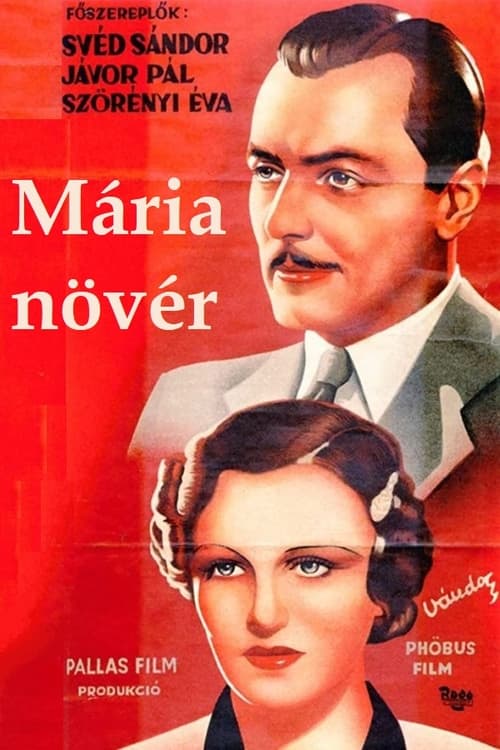
1937
No reviews yet. Be the first to share your thoughts on this movie!
Use the rating form above to leave a star rating and optional review.