Ave Maria
1936
No user ratings available yet
Representation score: 1.1 out of 10
Representation Score
Minimal
1937
BtlDirector
Viktor Gertler
Runtime
88 minutes
Average Rating
No ratings yetNew Showbiz Analysis
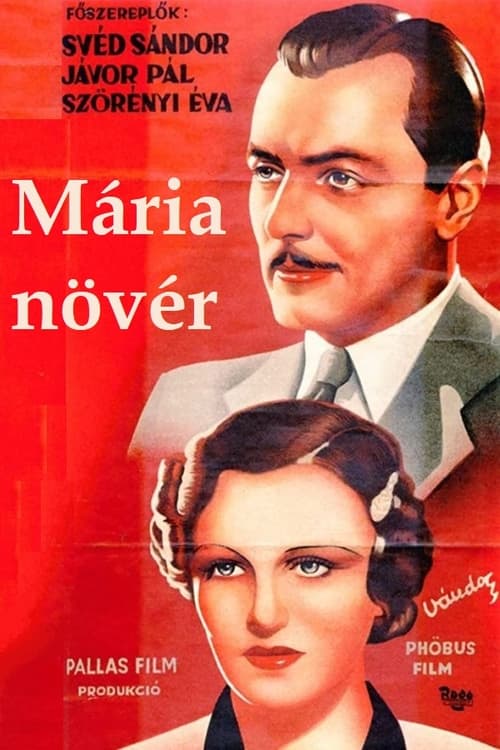
Sister Maria is a period melodrama that emphasizes traditional social hierarchies and romantic sacrifice. While the female lead exhibits personal ability to act through her various roles, the story remains rooted in conventional moral frameworks. The film adheres to a classic mid-century dramatic structure where the male protagonist's professional success is tied to romantic heartbreak. This focus keeps the narrative within established societal expectations. Ultimately, the film highlights the redirection of passion towards stability in marriage and religious institutions rather than questioning these norms.
Category Breakdown
The film focuses on a traditional heterosexual relationship without depicting any non-straight relationships or challenging typical courtship norms.
Maria shows strength and resilience in her roles as a wife, mother, and nurse. However, the plot mainly revolves around the male protagonist's emotional journey.
The setting implies a uniform social environment. There is no indication of diverse ethnic or multicultural casting in the narrative.
The story examines the conflict between religious commitments and secular life. It ultimately upholds traditional family structures and social stability.
The narrative concentrates solely on romantic and emotional development. No physical or neurodivergent disabilities are shown.
Present on Screen
Limited or Absent
Official Synopsis
The title character in Maria Nover (Sister Maria) is played by Eva Szorenyi. A convent-bred lass on the verge of taking her final vows, Maria falls in love with a handsome artist, portrayed by popular operatic baritone Sandor Sved. Due to a silly misunderstanding, she walks out on Sved and marries his best friend Paul Javor. The frustrated suitor quits the art world to become a world-famous concert singer. Years later, he returns to reclaim Maria, only to find that she's not only still a wife, but also a mother and a dedicated nurse. Gracefully bowing out of her life, the Pagliacci-like Sved continues his singing career to assuage his broken heart.
1936

1930

1949

1939
1930
1935

1934
1936
No reviews yet. Be the first to share your thoughts on this movie!
Use the rating form above to leave a star rating and optional review.