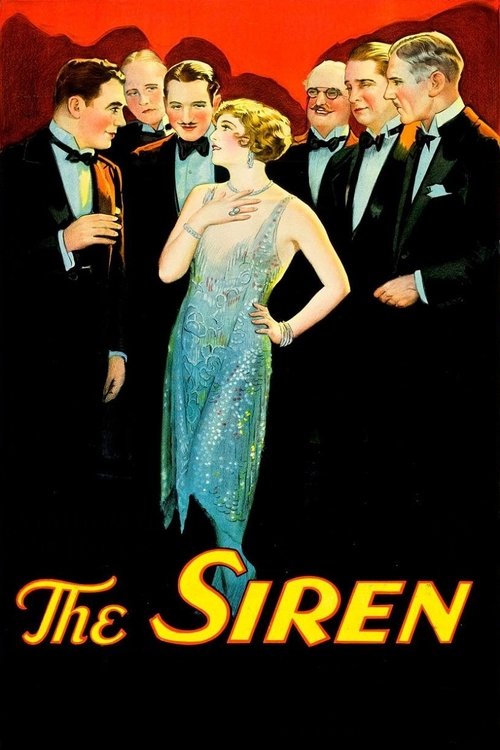
The Siren
1927
No user ratings available yet
Diversity score: 1.8 out of 10

1929
ApprovedDirector
William C. deMille
Runtime
61 minutes
Average Rating
No ratings yetSynopsis
Young Englishwoman Lillian Garson is unhappy with her marriage and decides to elope with another man. However he is killed in a car accident and she returns home to her husband and tries to carry on as if nothing had happened. Only the doctor who shows up at their house for dinner that night, and who dealt with the crash, knows the truth. A lost film.
Overall Score
Limited
Category Breakdown
LGBTQ+ Representation
The film focuses on a heteronormative marital conflict and an elopement between a woman and a man. No non-cisnormative identities are present in the narrative.
Gender Representation
Lillian Garson exercises agency by attempting to leave her marriage. However, her return to the domestic sphere suggests the story operates within traditional early 20th-century gender roles.
Racial & Ethnic Diversity
The setting and era suggest a focus on homogeneous social structures. There is no indication of a diverse cast or the subversion of Anglo-Saxon norms.
Religious & Cultural Diversity
The plot revolves around Western concepts of marriage, fidelity, and social reputation. The narrative framework appears rooted in conventional social stability.
Disability Representation
No information is available regarding the depiction of physical or mental disabilities in the surviving synopsis.
Strengths
Areas for Improvement
AI Analysis
The film functions as a conventional domestic drama centered on individual morality and marital deception. While the protagonist attempts to assert her own desires, the narrative ultimately reinforces established social hierarchies. The story lacks intersectional complexity, focusing instead on the psychological tension of a shared secret within a traditional Western framework. Because the film is lost, the scope of its social critique remains limited to the surviving plot details. Ultimately, the film reflects the era's preoccupation with social reputation and the constraints of marriage rather than challenging systemic norms.
1927
1934
1932
1933
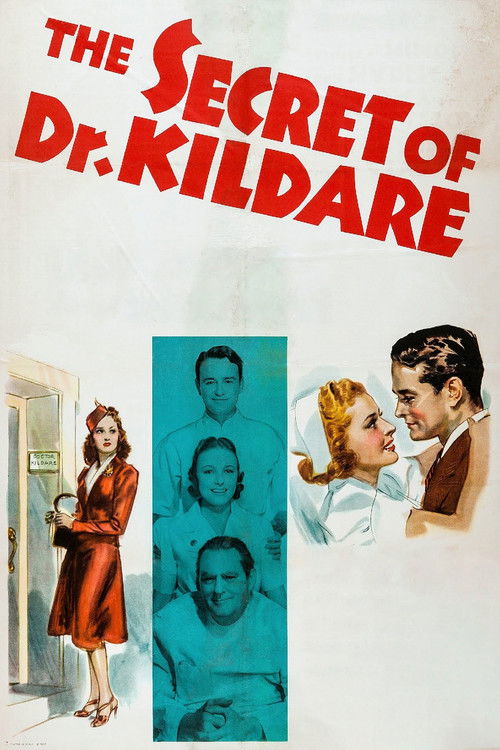
1939
1932

1925
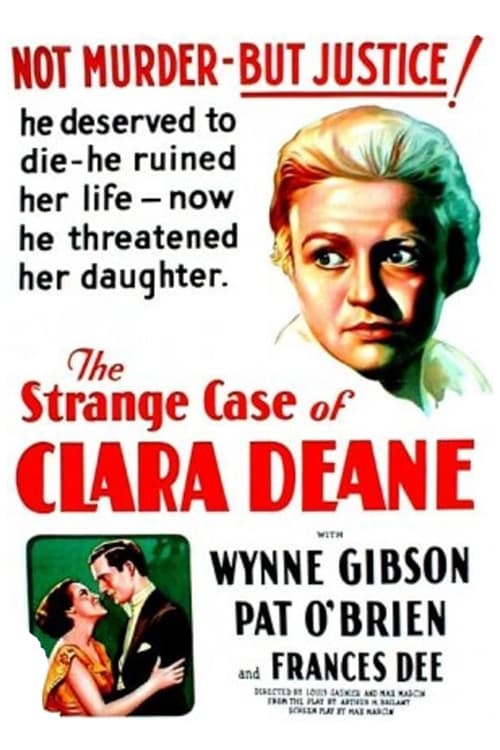
1932
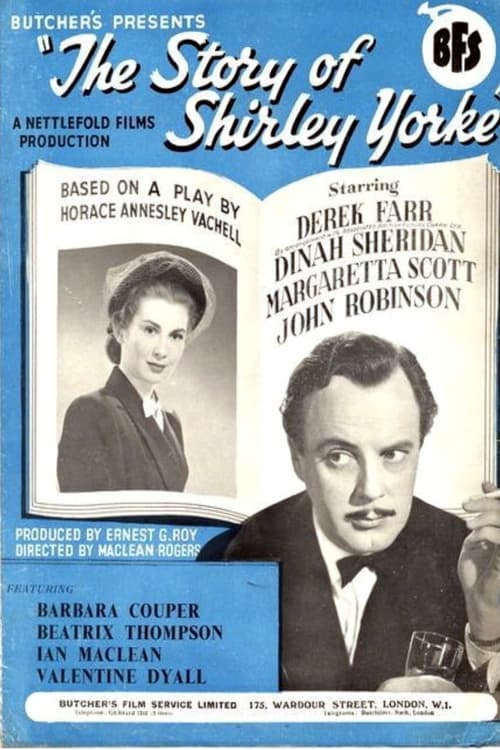
1949

1947
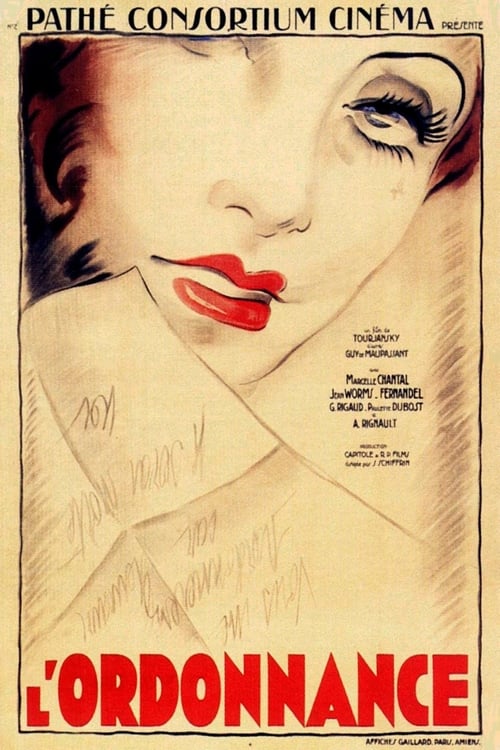
1933
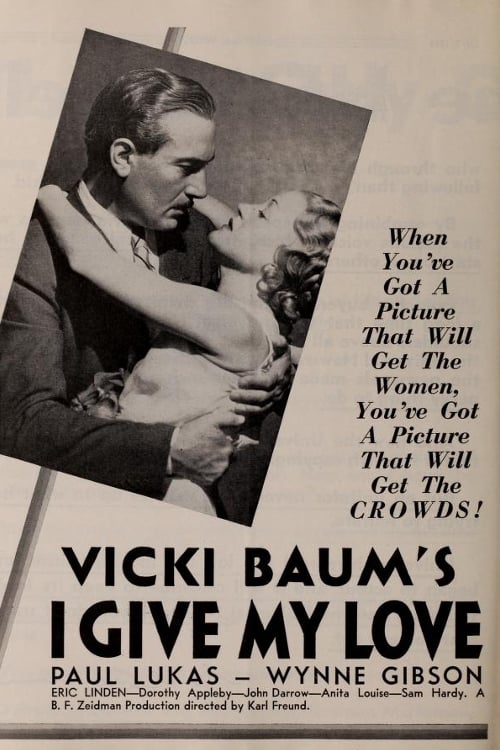
1934
No reviews yet. Be the first to share your thoughts on this movie!
Use the rating form above to leave a star rating and optional review.