You are here:

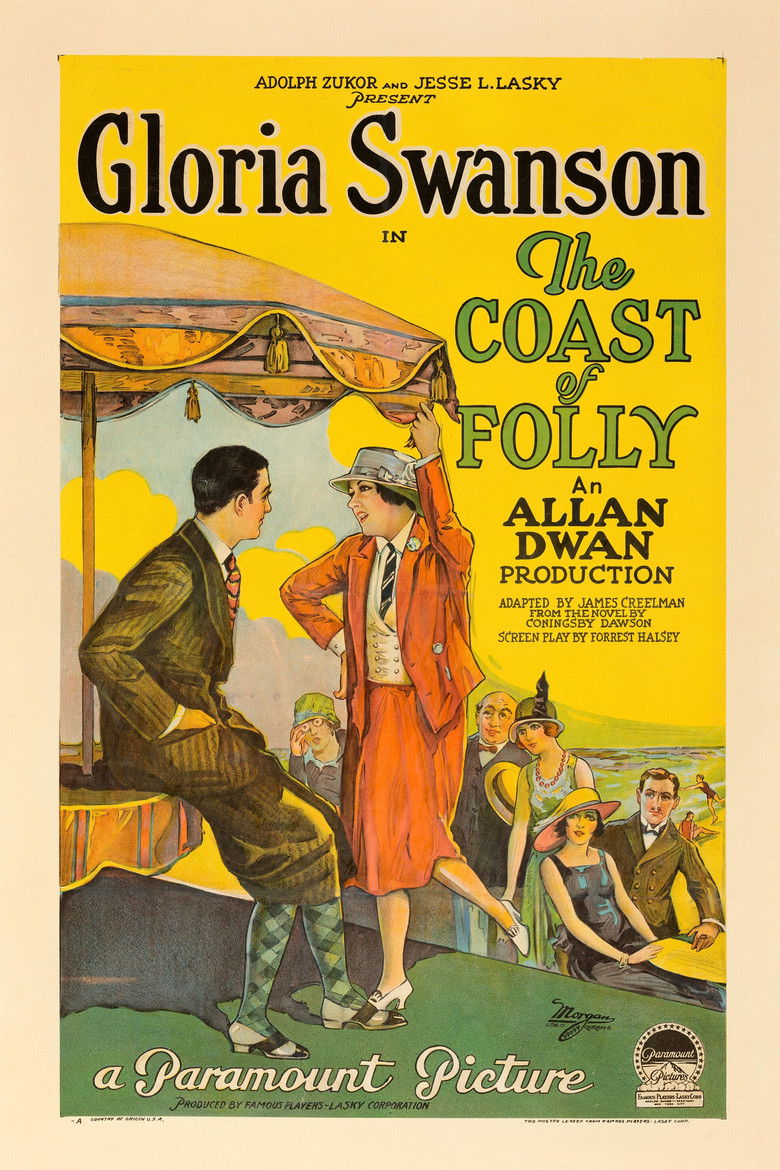
The Coast of Folly

The Coast of Folly

Representation Score

2.5/10

Limited

1925

Passed

Director

Allan Dwan

Runtime

70 minutes

Average Rating

No ratings yet

New Showbiz Analysis

The film operates as a traditional social drama that emphasizes Western class dynamics and heterosexual romance. While it avoids some of the era's more submissive female clichés, it lacks broader multi-layered depth. Nadine's character arc provides a notable moment of female independence, yet the film's scope remains narrow. The focus on aristocracy and legal scandals confines the story to a very specific, homogeneous social framework. Ultimately, the work lacks representation of racial, ethnic, or LGBTQ+ identities, making it a product of its specific historical and social context.

Watch this, not that →

Category Breakdown

Does The Coast of Folly have LGBTQ+ representation?

Minimal

The story revolves around traditional romantic conflicts and legal disputes centered on heterosexual relationships. There is no representation of LGBTQ+ identities or narratives that challenge traditional sexual norms.

How does The Coast of Folly portray gender?

Fair

Nadine Gathway plays a significant role by abandoning her husband and reclaiming power as a Countess. While Joyce faces traditional scandal, the plot is driven by female autonomy.

How racially and ethnically diverse is The Coast of Folly?

Minimal

The narrative focuses on Western social classes and European aristocracy. It lacks any mention of non-white characters or diverse ethnic backgrounds within its social structures.

How does The Coast of Folly represent religion and culture?

Fair

The film critiques moral rigidity and traditional marriage through Nadine's rebellion. However, it remains tied to the class-based hierarchies and social mores of the 1920s.

Does The Coast of Folly include disability representation?

Minimal

No characters are identified as having visible or invisible disabilities. The available narrative information provides no basis for representation in this category.

Present on Screen

  • Nadine Gathway serves as a model of female empowerment by rejecting a restrictive marriage.
  • The protagonist's transformation into a Countess demonstrates a reclamation of social power.

Limited or Absent

  • The narrative lacks any representation of non-white or non-Anglo-Saxon characters.
  • There is a complete absence of LGBTQ+ identities or non-cisgender perspectives.
  • The plot remains heavily confined to traditional Western class and social hierarchies.

Official Synopsis

Unable to abide her self-righteous husband, Nadine Gathway leaves home and drops out of sight for 20 years. When Mr. Gathway dies, he leaves his huge fortune to his daughter, Joyce, on the condition that she never become involved in scandal. Joyce becomes interested in Larry Fay, whose wife sues her for alienation of affections. In Paris, Nadine, who has become the Countess de Tauro, hears of the scandal and returns to the United States, intent on helping the daughter she once deserted. A lost film.

How are these scores produced? →

Where to Watch

Rate this Movie

No rating selected
Use arrow keys to select a rating from 1 to 5 stars
Optional text review, maximum 2000 characters
Tip: Wrap spoilers with ||double pipes|| to hide them
0/2000 characters
You must be signed in to submit a rating

Reviews

No reviews yet. Be the first to share your thoughts on this movie!

Use the rating form above to leave a star rating and optional review.