
Back Pay
1922
No user ratings available yet
Representation score: 2.6 out of 10
Representation Score
Limited
1922
PassedDirector
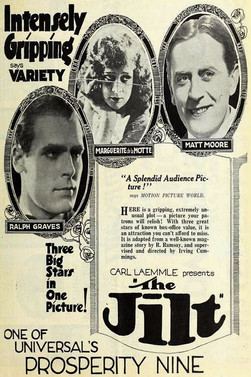
Irving Cummings
Runtime
50 minutes
Average Rating
No ratings yetNew Showbiz Analysis
The Jilt is a conventional silent-era melodrama that adheres strictly to the social and narrative norms of 1922. It prioritizes individual romantic sentiment over systemic exploration or diverse perspectives. While the female lead exercises emotional autonomy, the film remains rooted in traditional gender conflicts and archetypes. The inclusion of a disabled character serves the plot’s emotional stakes rather than offering a nuanced portrayal of disability. Ultimately, the film reflects the homogeneous social structures of early Hollywood, lacking the layered representation found in more progressive works.
Category Breakdown
The film does not depict any non-straight relationships or identities. The story revolves around a typical love triangle involving a woman and two men.
Rose takes control by breaking off an engagement to follow her heart. However, the film reinforces traditional masculine roles through its male characters.
The Virginia setting and character names suggest a predominantly white, Anglo-Saxon cast. There are no indications of diverse ethnic backgrounds in the narrative.
The drama centers on personal morality and romantic obligations. It does not critique Western institutions or organized religion.
George Prothero is a blinded veteran, but his disability mainly serves as a catalyst for romantic conflict. The portrayal leans toward a tragic victim cliché.
Present on Screen
Limited or Absent
Official Synopsis
In 1919 Virginia, Rose Trenton mistakes pity for love and agrees to marry George Prothero, who was blinded in the war. She breaks the engagement, however, when she realizes she loves Sandy Sanderson, and the heartbroken, cynical George goes to Europe to forget.
1922

1925
1929

1923

1919

1924

1924
1927
No reviews yet. Be the first to share your thoughts on this movie!
Use the rating form above to leave a star rating and optional review.