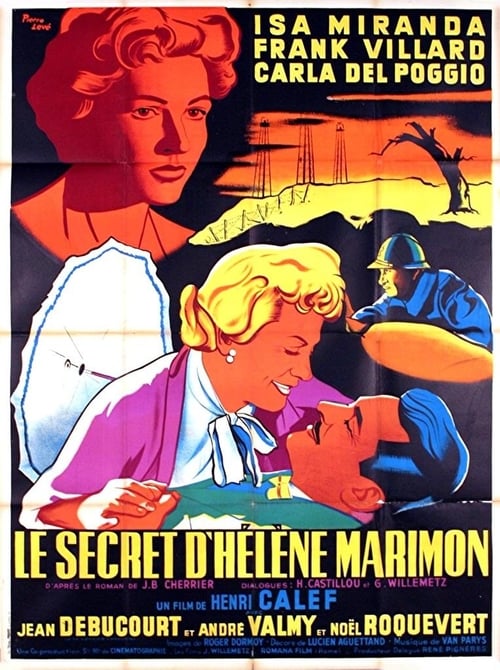
The Secret of Helene Marimon
1954
No user ratings available yet
Representation score: 3.5 out of 10
Representation Score
Minimal
1931
Director
Otto Preminger
Runtime
76 minutes
Average Rating
No ratings yetNew Showbiz Analysis
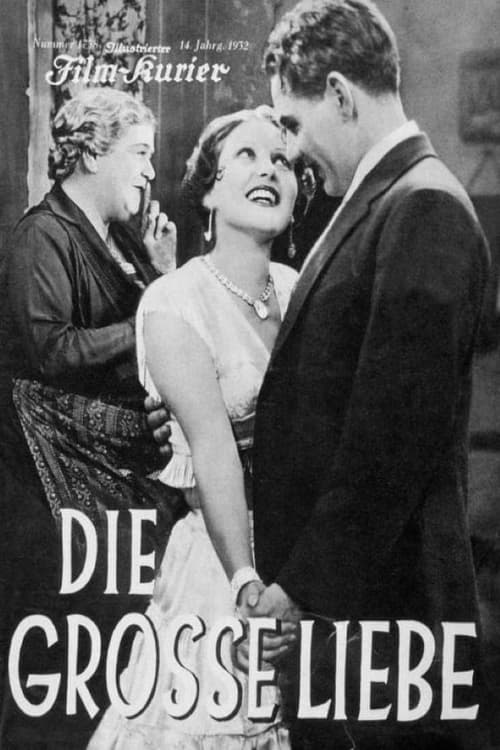
Die grosse Liebe is a traditional period drama that reinforces the social and gender hierarchies of the early 20th century. It relies on established romantic archetypes and class-based conflicts rather than challenging systemic norms. The film functions as a reflection of its era, prioritizing conventional storytelling over the deconstruction of identity. While it handles themes of deception and social expectation with sophistication, it lacks complexity in representing diverse identities.
Category Breakdown
The film follows a strictly heterosexual storyline without any representation of LGBTQ+ identities or critiques of traditional sexual norms.
The story centers on the male experience and his romantic pursuits. While Annie shows emotional strength through her support of Franz, the film adheres to conventional 1930s gender roles.
The cast reflects a homogeneous European demographic consistent with the post-WWI setting. There is no evidence of racial diversity or multi-ethnic dynamics within the narrative.
The film explores class distinctions and social duty within a European context. It does not offer critiques of Western institutions or traditional family structures.
The narrative focuses on interpersonal romance and socioeconomic identity. There is no evidence of characters navigating physical, sensory, or neurodivergent disabilities.
Present on Screen
Limited or Absent
Official Synopsis
Ten years after the end of World War I, Austrian soldier Franz leaves Russia and returns to his village, where he is reunited with Frieda, a woman who believes he is her long-lost son. She seeks him out and greets him with such loving joy, that Franz doesn't have the heart to tell her the truth. He stays with her and when he gets to know his new girlfriend Annie, he begs her to hide his true identity from Annie. Annie, for her part, has seen through this charade already, but chooses to say nothing and to continue to care for Franz.
1954
1953
1946
1938
1937
1942
1921

1940
No reviews yet. Be the first to share your thoughts on this movie!
Use the rating form above to leave a star rating and optional review.