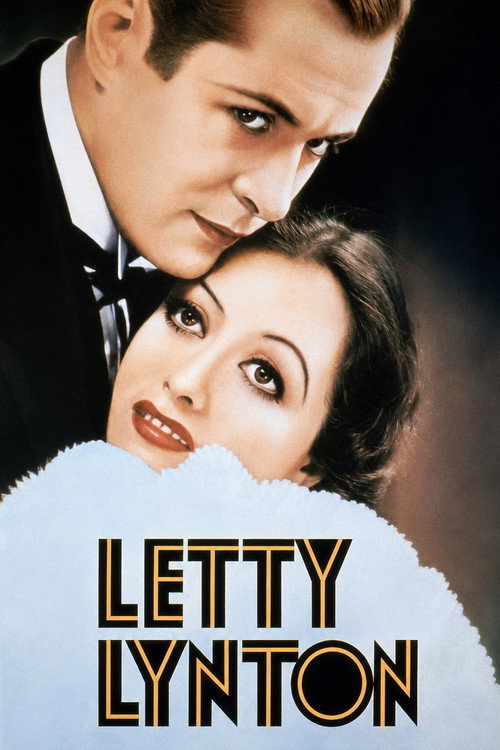
Letty Lynton
1932
No user ratings available yet
Diversity score: 3.1 out of 10

1925
NRDirector
Clarence Brown
Runtime
80 minutes
Average Rating
No ratings yetSynopsis
A famous opera singer lost her voice when her son was born, and has drowned her sorrows in drink. When a murder is committed near her house, she invents a story in order to get herself back in front of the public again. However, the story she comes up with results in her son being arrested for the murder.
Overall Score
Limited
Category Breakdown
LGBTQ+ Representation
The film lacks any depiction of non-heteronormative identities or same-sex intimacy. The narrative remains strictly focused on maternal and professional struggles.
Gender Representation
The story centers on a woman's complex struggle with lost identity and social descent. She displays a destructive form of agency by fabricating stories to reclaim her public standing.
Racial & Ethnic Diversity
The film reflects the homogeneous casting standards typical of 1920s American cinema. There is no evidence of racial blending or non-Anglo-Saxon characters.
Religious & Cultural Diversity
The narrative functions as a traditional melodrama regarding reputation and family. It does not offer a critique of systemic institutions like religion or state authority.
Disability Representation
The protagonist deals with the functional disability of losing her singing voice. This loss serves as the primary catalyst for her social alienation and character arc.
Strengths
Areas for Improvement
AI Analysis
The film is a character study rooted in the dramatic conventions of the 1920s. It finds its strength in exploring the psychological depth of a flawed female protagonist rather than adhering to passive archetypes. However, the work lacks intersectional diversity, adhering to the era's homogeneous social norms. The absence of racial, cultural, or LGBTQ+ representation results in a low score by modern standards. Ultimately, the film's value lies in its subversion of the 'perfect mother' trope through a protagonist driven by self-serving, complex choices.
1932
1912
1923
1922
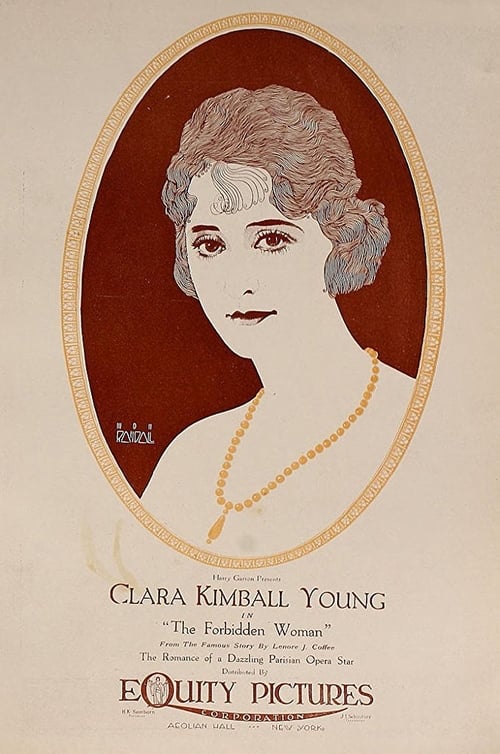
1920
1931

1924
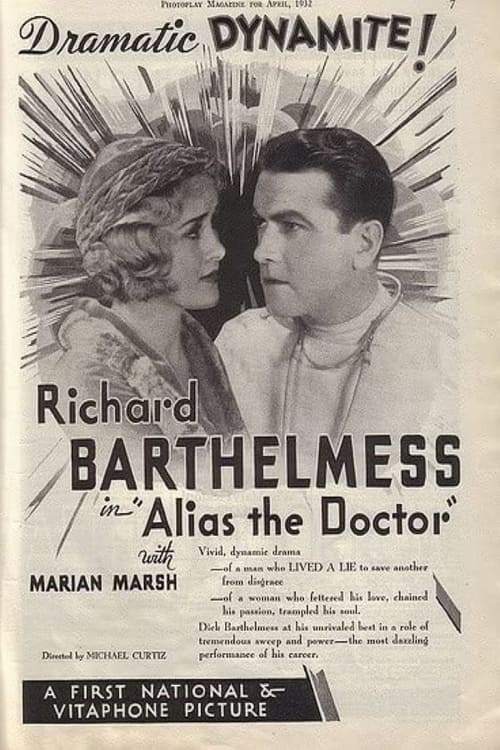
1932
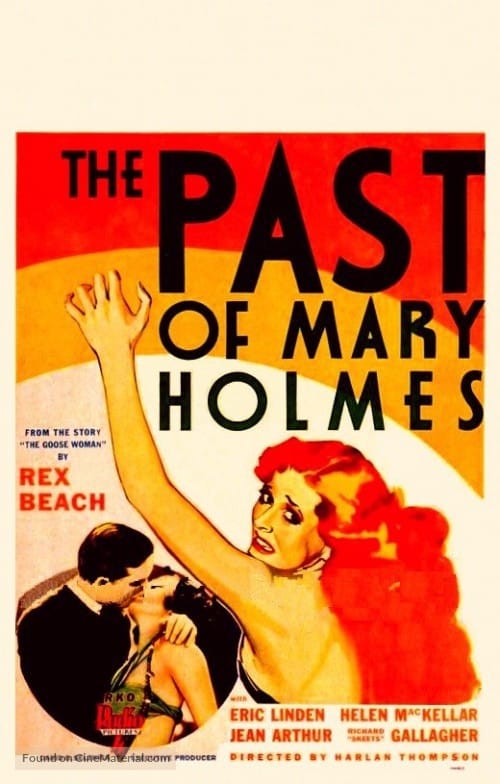
1933
1925

1918
1925
No reviews yet. Be the first to share your thoughts on this movie!
Use the rating form above to leave a star rating and optional review.