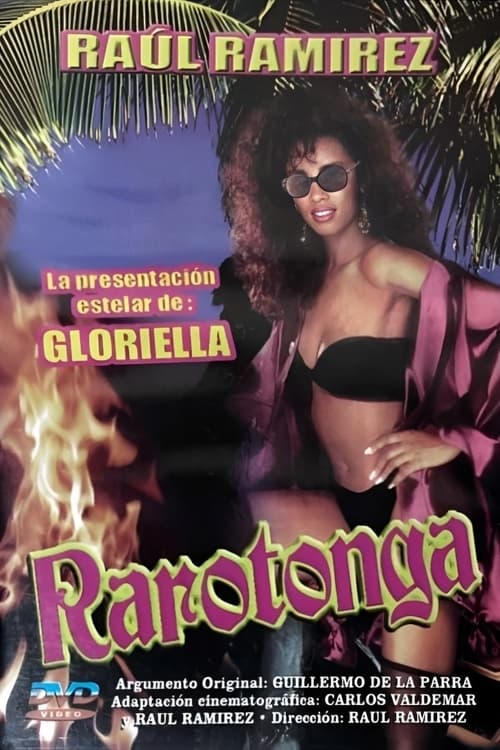
Rarotonga
1978
No user ratings available yet
Representation score: 3.1 out of 10
Representation Score
Limited
1957
NRDirector
Albert Lewin, René Cardona
Runtime
100 minutes
Average Rating
No ratings yetNew Showbiz Analysis
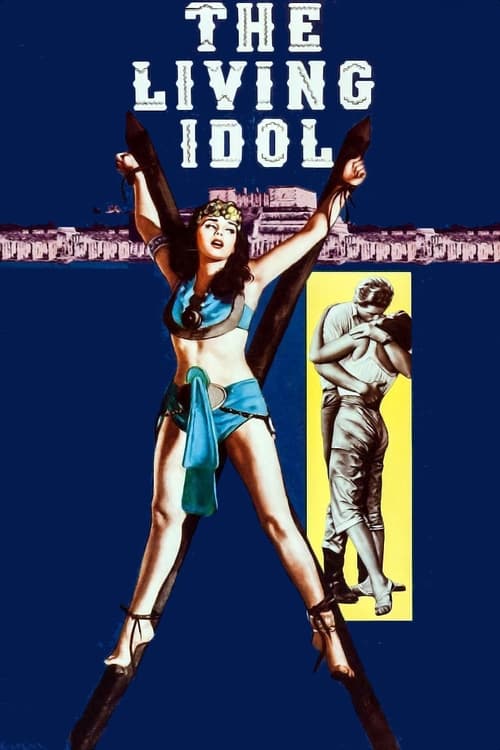
The film functions as a mid-century adventure drama that uses indigenous themes to drive its plot. While it incorporates Mexican and Aztec elements, the narrative structure relies heavily on traditional archetypes of the time. The inclusion of non-Western history provides ethnic representation, but the power dynamics center on a Western protagonist's perspective. This creates a tension between cultural engagement and colonial-era storytelling clichés. Ultimately, the film's diversity is limited by its reliance on a male-driven intellectual pursuit that defines the female lead's identity.
Category Breakdown
The film doesn't include any LGBTQ+ identities or same-sex relationships. It focuses on a traditional romantic or spiritual bond between the main characters.
The story revolves around a male archaeologist's understanding of a woman's identity. This dynamic suggests that the female character's influence may be secondary to the male protagonist's spiritual journey.
The film explores Aztec culture and includes a Mexican woman as a central figure. However, it risks portraying indigenous heritage as an exotic backdrop for a Westerner's journey.
Themes of mysticism and reincarnation move the story away from Western Christian morality. Yet, the premise risks reinforcing colonial-era clichés by using Western intellectualism to validate indigenous identity.
There are no characters with physical or neurodivergent disabilities in the film.
Present on Screen
Limited or Absent
Official Synopsis
An archaeologist believes a Mexican woman is the reincarnation of an Aztec princess.
1978
1932
1979

1972

1947
1981
1953
1976
No reviews yet. Be the first to share your thoughts on this movie!
Use the rating form above to leave a star rating and optional review.