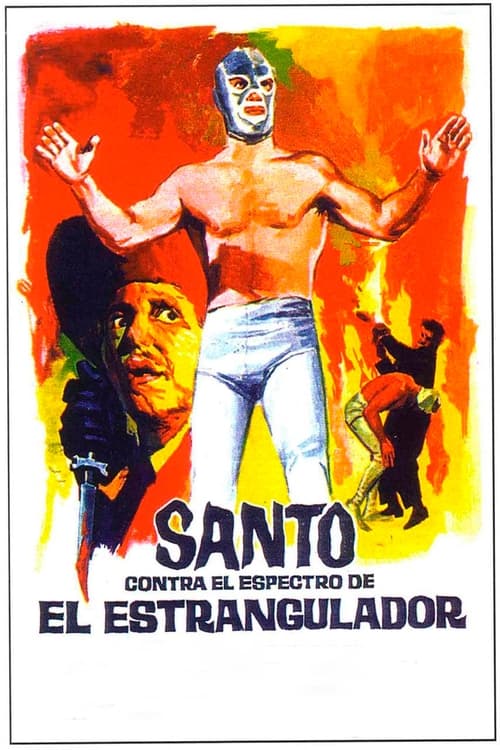
Santo vs. the Ghost of the Strangler
1966
No user ratings available yet
Representation score: 1.5 out of 10

Representation Score
Minimal
1965
Director
René Cardona
Runtime
80 minutes
Average Rating
No ratings yetNew Showbiz Analysis
Santo vs. the Strangler is a culturally important piece of Mexican genre cinema that highlights ethnic identity. By putting a Mexican wrestler at the center of the action, the film offers a significant role in driving the story to characters of color, providing a non-Anglo-Saxon perspective on heroism. However, the film is constrained by the social norms of its time. It relies on traditional gender roles and lacks representation for LGBTQ+ or disabled individuals. The narrative focuses on celebrating Mexican archetypes without challenging broader societal issues. Overall, while the film successfully conveys a strong sense of cultural identity, its progressive scope is limited by its adherence to mid-century social norms.
Category Breakdown
The film doesn't include any LGBTQ+ characters or themes related to non-straight identities. It follows the typical social structures of the 1960s.
Gender roles stay traditional, focusing on a very masculine main character. Female characters often play the role of damsels in distress rather than independent agents.
The film stands out by centering Mexican actors and cultural icons. This shifts the focus away from white heroes and positions characters of color as key agents of justice.
The story follows a classic good versus evil structure. It emphasizes moral clarity and traditional heroism without questioning systemic corruption.
There are no characters with visible or invisible disabilities shown with significant roles or importance to the plot.
Present on Screen
Limited or Absent
Official Synopsis
A mysterious killer has been strangling women in a variety theater, and the police decide to bring Santo into the investigation. Santo suspects the killer is hiding undercover as one of the theater employees and must discover his true identity before more women are murdered.
1966
1971
1954
1973
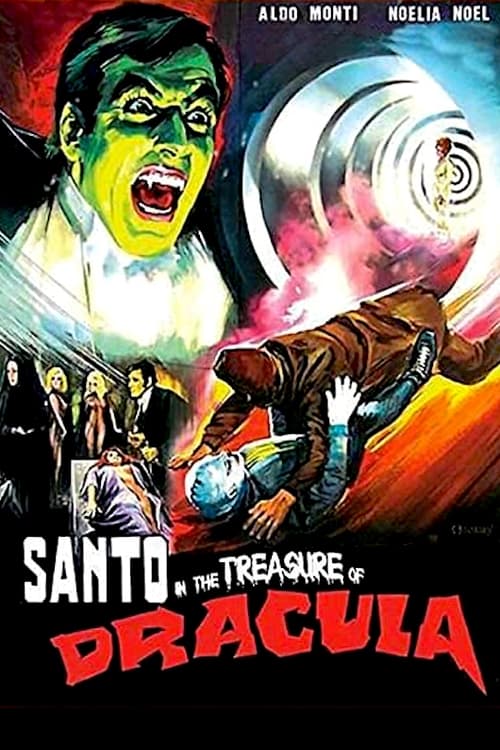
1969
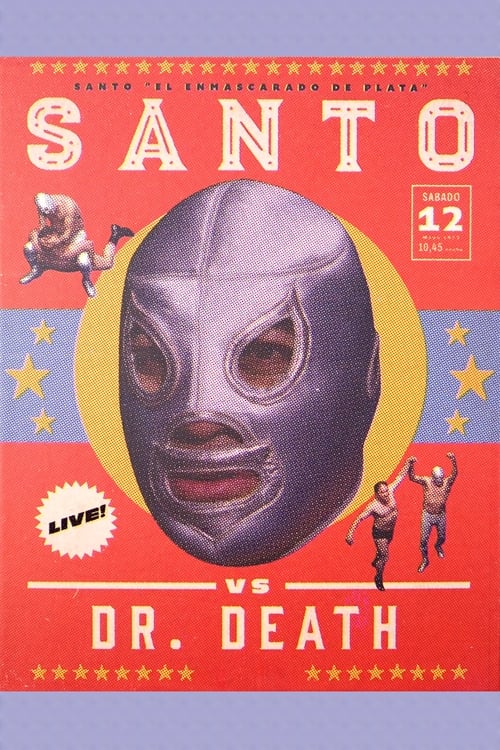
1973
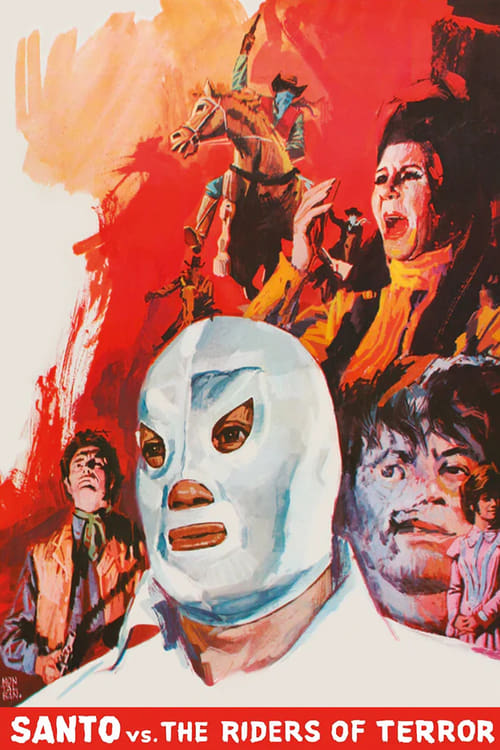
1970
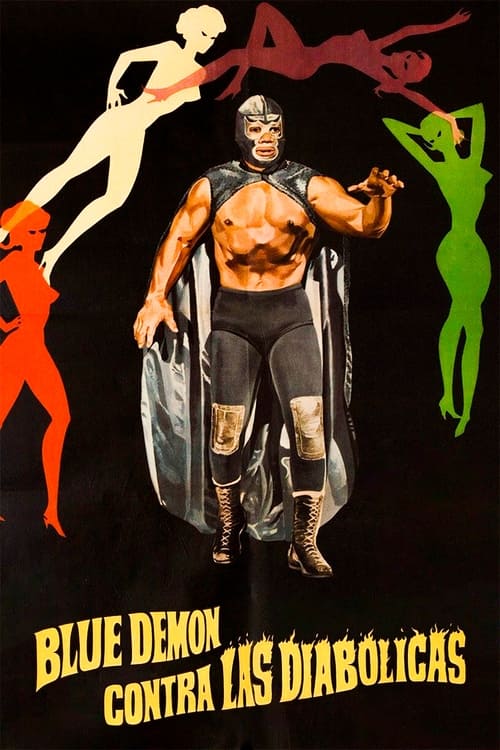
1968
No reviews yet. Be the first to share your thoughts on this movie!
Use the rating form above to leave a star rating and optional review.