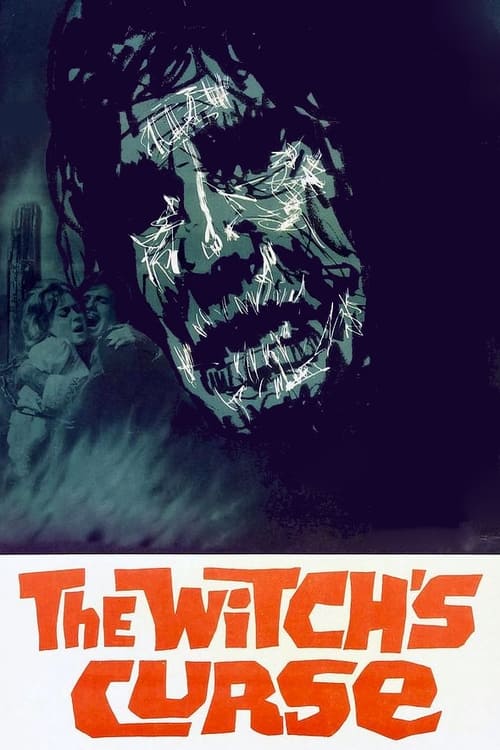
The Witch's Curse
1962
No user ratings available yet
Representation score: 2.9 out of 10

Representation Score
Minimal
1925
Director
Guido Brignone
Runtime
98 minutes
Average Rating
No ratings yetNew Showbiz Analysis
Maciste in Hell is a classic example of its time, functioning as a traditional mythological adventure. The film relies heavily on established clichés of hyper-masculinity and moral absolutism to drive its narrative. Instead of challenging social hierarchies, the film reinforces them. The protagonist's righteousness is validated through his victory over demonic entities, upholding a rigid, conventional moral structure. Ultimately, the work upholds the archetypes prevalent in early 20th-century European cinema, offering no disruption to the era's standard expectations regarding gender, race, or identity.
Category Breakdown
The film doesn't include any LGBTQ+ characters or non-straight relationships. It focuses on a traditional storyline where the hero rescues a woman.
Maciste embodies extreme masculinity and plays a significant role in driving the story, while the female lead remains passive. This reinforces traditional hierarchies of male dominance and female vulnerability.
Casting seems uniform, following the conventions of 1920s Italian strongman films. The mythological setting doesn't incorporate diverse cultural elements.
The story uses a religious underworld as a fantastical backdrop but doesn't critique religious or Western institutions. It operates within a standard moral framework.
There are no characters with physical or neurodivergent disabilities. The cast consists of idealized physical types typical of the adventure genre.
Present on Screen
Limited or Absent
Official Synopsis
The devil takes Maciste down to hell in an attempt to corrupt and ruin his morality.
1962
1926
1904
1911
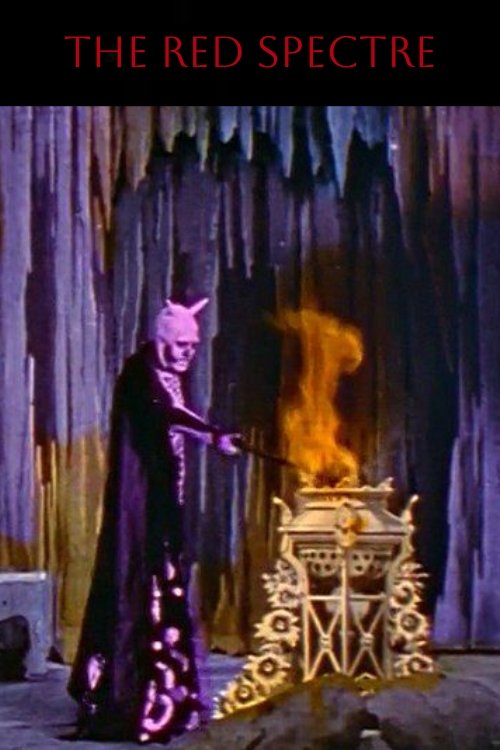
1907
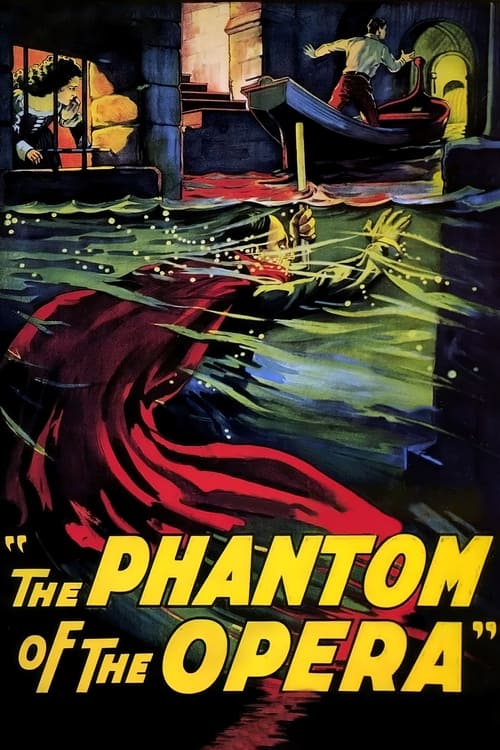
1925
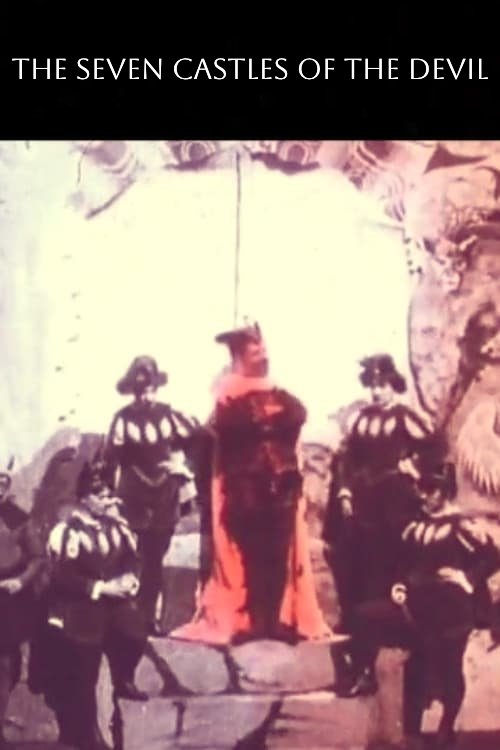
1901
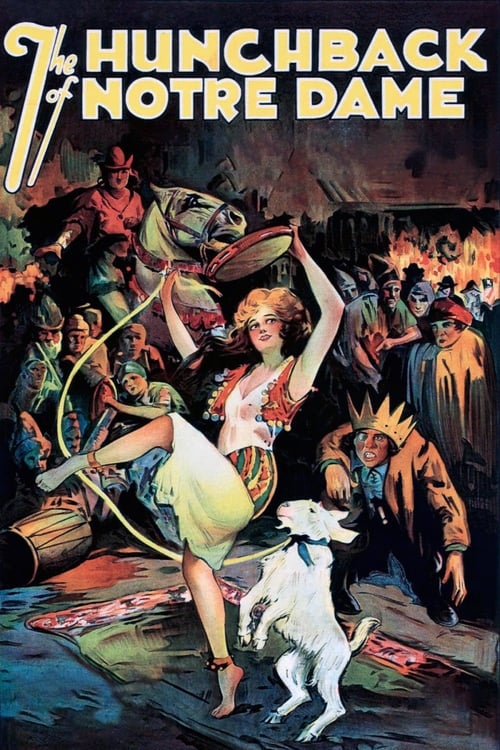
1923
No reviews yet. Be the first to share your thoughts on this movie!
Use the rating form above to leave a star rating and optional review.