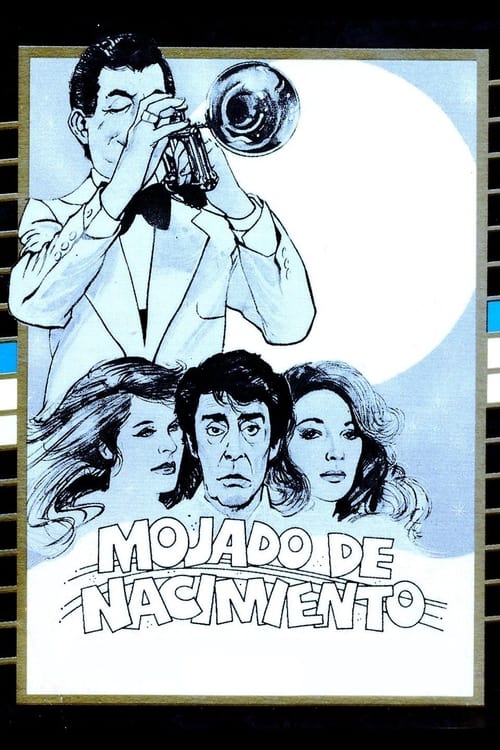
Mojado de nacimiento
1981
No user ratings available yet
Representation score: 4.6 out of 10

Representation Score
Fair
1947
ApprovedDirector
Emilio Fernández
Runtime
86 minutes
Average Rating
No ratings yetNew Showbiz Analysis
Emilio Fernández’s work is a landmark of the Golden Age of Mexican Cinema, prioritizing Mexican identity and the struggles of the rural working class. The film’s greatest achievement is its refusal to sideline non-Western identities, instead placing Indigenous and Mestizo perspectives at the heart of the drama. However, the film remains a product of its era, adhering to traditional gender hierarchies and patriarchal structures. While the female lead possesses significant influence, she is largely confined to a domestic role. The representation of disability is also functional rather than character-driven, used to catalyze the protagonist's journey. Ultimately, the film's strength lies in its post-colonial subtext. It masterfully depicts the tension between indigenous laborers and the predatory greed of external authorities, making it a powerful study of systemic exploitation.
Category Breakdown
The film focuses on a traditional family structure with no clear representation of LGBTQ+ identities or non-assuming gender matches what was assigned at birth characters.
The narrative follows a patriarchal framework where Quino drives the plot. Juana provides moral guidance, but her role remains defined by mid-20th-century domestic expectations.
The film excels by using an all-Indigenous and Mestizo cast, providing a culturally grounded experience rather than a performative one.
The story offers a sophisticated critique of capitalist structures and the exploitation of indigenous resources. Catholic motifs serve as a cultural backdrop for exploring systemic victimhood.
Coyotito’s injury serves primarily as a narrative engine to drive the plot. The medical crisis highlights the failure of infrastructure to serve the impoverished.
Present on Screen
Limited or Absent
Official Synopsis
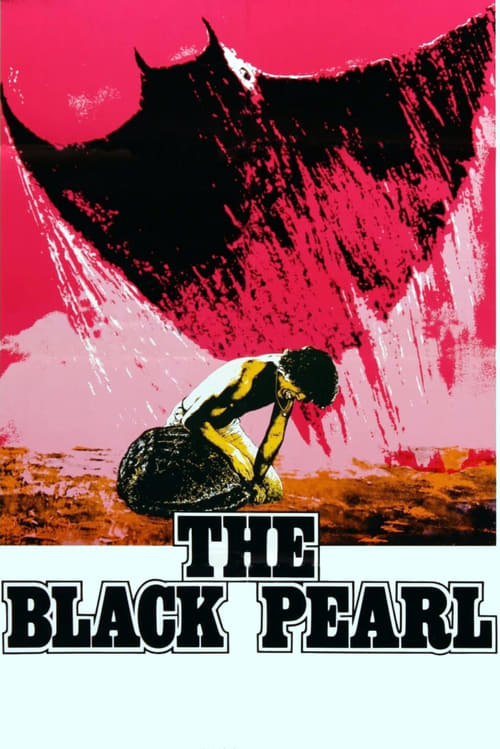
Fisherman Quino and his wife Juana are very poor and desperate because the town's foreign doctor refuses to treat their son Coyotito, who has been bitten by a scorpion. When Quino unexpectedly finds a magnificent pearl in the sea, Juana senses that the discovery will only bring them misfortune and tries to convince her husband to return it to the sea.
1981
1958
1977
1931
1955

1954
1956
1959
No reviews yet. Be the first to share your thoughts on this movie!
Use the rating form above to leave a star rating and optional review.