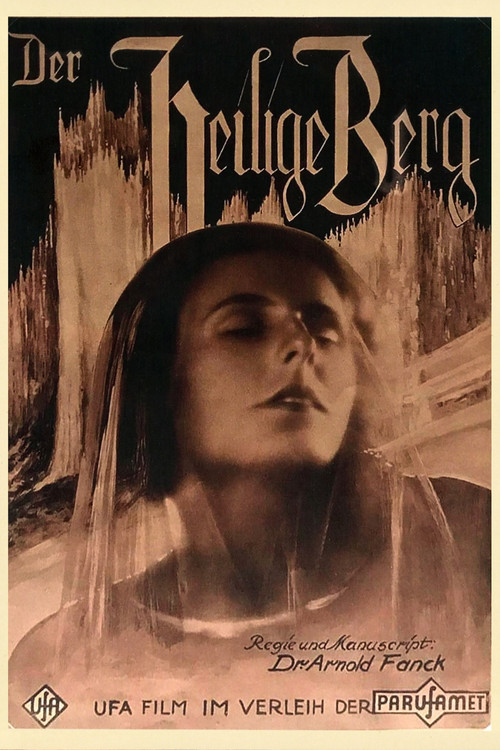
The Holy Mountain
1926
No user ratings available yet
Representation score: 1.1 out of 10
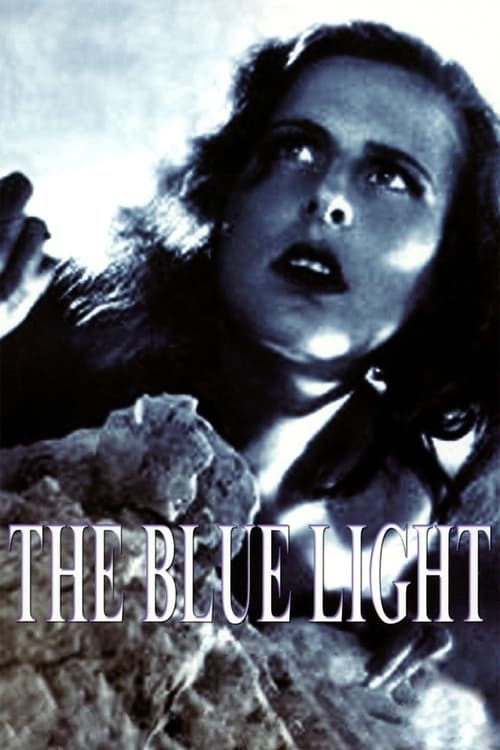
Representation Score
Minimal
1932
PGDirector
Leni Riefenstahl
Runtime
83 minutes
Average Rating
No ratings yetNew Showbiz Analysis
The film is deeply rooted in its historical context, emphasizing natural beauty and regional folklore over complex social issues. Although it offers a strong female protagonist with significant influence, it remains narrowly focused on the cultural norms of the early 20th century. The narrative lacks depth in representing diverse identities and social issues, particularly regarding LGBTQ+ identities, racial diversity, and disabilities. Instead, it focuses on local superstitions and the awe-inspiring power of nature. Overall, the film upholds the cultural norms of its time without engaging in broader critiques or diverse perspectives.
Category Breakdown
The film does not depict any non-straight relationships or gender identities. It follows the conventional assumptions of the time, focusing solely on heterosexual relationships.
Bertl, the main character, demonstrates strong independence and leadership in navigating dangerous terrain, challenging traditional gender roles. However, her character is still portrayed through the lens of period-specific stereotypes, such as being associated with witchcraft.
The film features an entirely white cast, reflecting the historical context of the Bavarian Alps and the limitations of German cinema during the early 1930s.
The story delves into the tensions between community life and the natural world through folklore and mysticism. However, it does not address modern secular critiques or the dismantling of traditional Western institutions.
The film does not feature any characters with visible or invisible disabilities. There are no identities defined by physical impairments or neurodivergences.
Present on Screen
Limited or Absent
Official Synopsis
As sole female Junta is the only one who can climb a dangerous mountain, villagers deem her as a witch.
1926
1931

1929
2008
1940
1989
1955

2011
No reviews yet. Be the first to share your thoughts on this movie!
Use the rating form above to leave a star rating and optional review.