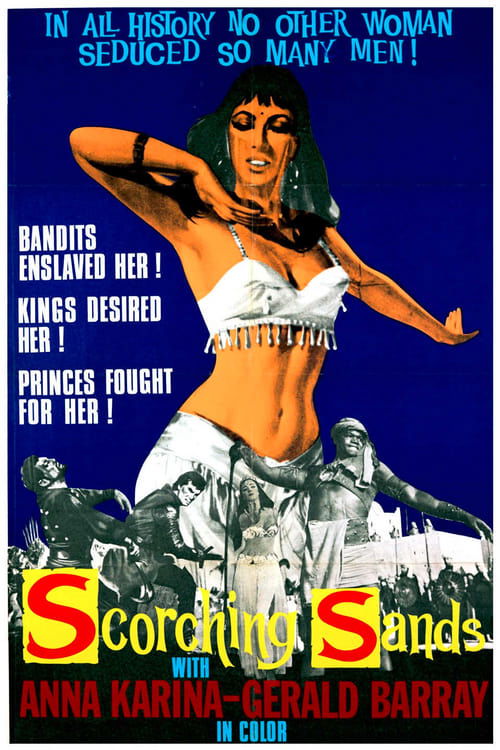
Scheherazade
1963
No user ratings available yet
Representation score: 1.4 out of 10

Representation Score
Minimal
1955
NRDirector
Richard Thorpe
Runtime
112 minutes
Average Rating
No ratings yetNew Showbiz Analysis
The Prodigal is a mid-century studio production that upholds traditional social, religious, and gender hierarchies through a restorative lens of faith and family. The film lacks diversity in its casting and character development, opting for a homogeneous, Western-centric portrayal of Middle Eastern history. It relies on conventional gendered power dynamics and strictly straight-centered storytelling. Ultimately, the film reinforces moral frameworks rather than challenging them, presenting submission to authority as the primary path to resolution.
Category Breakdown
The film does not include any visible LGBTQ+ characters or representations of non-straight relationships. It adheres to traditional frameworks of romance and family.
The story emphasizes male authority and lineage, with female characters mainly serving as catalysts for the male protagonist's journey rather than having independent roles.
The production features a predominantly white cast portraying figures from ancient Judea and Damascus, reflecting a Western-centric approach to biblical history.
The story focuses on Judeo-Christian themes of sin and repentance, reinforcing traditional religious institutions without offering any critique.
There are no visible or invisible disabilities represented in the narrative.
Present on Screen
Limited or Absent
Official Synopsis
A wealthy young Hebrew traveling in Damascus renounces his faith after he is seduced by an alluring pagan priestess and cheated of his fortune by the High Priest as well.
1963
1949
1935
1959
1957
1959
1955
1925
No reviews yet. Be the first to share your thoughts on this movie!
Use the rating form above to leave a star rating and optional review.