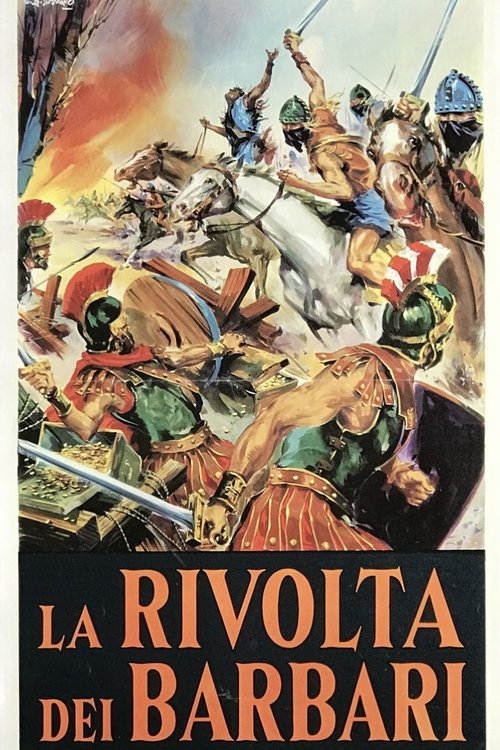
The Revolt of the Barbarians
1964
No user ratings available yet
Representation score: 1.9 out of 10
Representation Score
Minimal
1955
ApprovedDirector
Steve Sekely, Gianni Vernuccio
Runtime
85 minutes
Average Rating
No ratings yetNew Showbiz Analysis
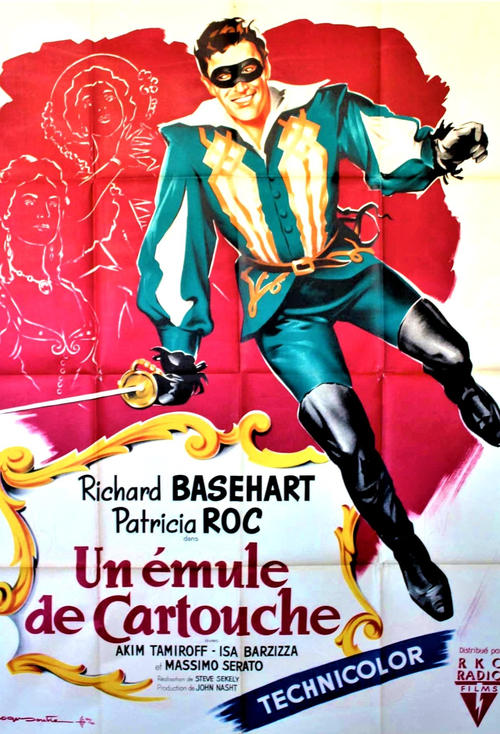
Cartouche is a mid-century adventure film that emphasizes genre-driven escapism over social commentary. The narrative structure reinforces traditional hierarchies, especially concerning gender and racial representation. The film's reliance on Eurocentric casting for its Egyptian setting whitewashes the historical context. Although the protagonist's rogue persona offers a minor critique of authority, it does not challenge broader social structures. Overall, the film reflects the era's preference for escapist storytelling rather than intentional sociological exploration or progressive representation.
Category Breakdown
The film follows 1950s conventions where romantic relationships are strictly heterosexual, with no representation of non-binary gender identities or same-sex relationships.
Gender roles follow traditional adventure storylines. Women serve mainly as emotional anchors, while the male protagonist drives the action, limiting the female characters' roles in advancing the plot.
Despite the ancient Egyptian setting, the cast is predominantly white European. This casting choice whitewashes a non-Western culture, undermining historical accuracy.
The narrative uses the 'lovable rogue' character type to critique strict institutions. However, this moral relativism is confined to personal adventures and does not extend to broader critiques of religion or capitalism.
There is no noticeable focus on physical or neurodivergent representation. Characters conform to the standard physical archetypes typical of the time period.
Present on Screen
Limited or Absent
Official Synopsis
The son of an ailing nobleman returns to France to clear his name and prove where the true guilt lies.
1964

1954
1959

1964
1955
1982

1985

1939
No reviews yet. Be the first to share your thoughts on this movie!
Use the rating form above to leave a star rating and optional review.