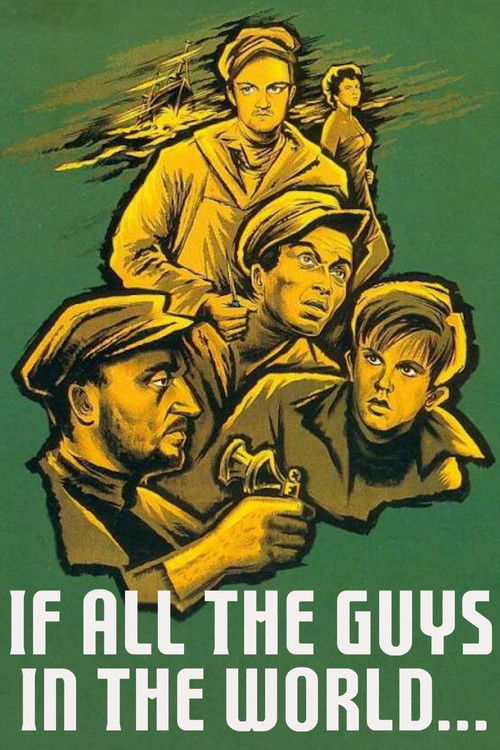
If All the Guys in the World...
1956
No user ratings available yet
Representation score: 5.8 out of 10
Representation Score
Minimal
1960
Director
Bernard Borderie
Runtime
92 minutes
Average Rating
No ratings yetNew Showbiz Analysis
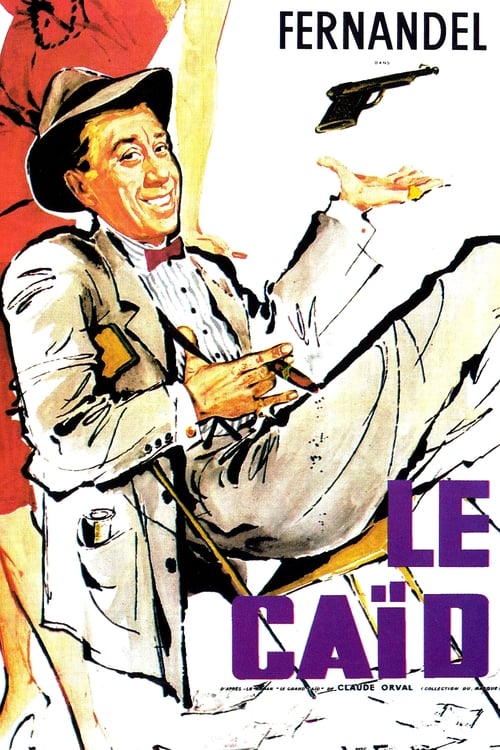
The Boss (1960) is a conventional mid-century crime comedy that prioritizes genre-based entertainment over progressive representation. The narrative structure relies on established formulas of the era, focusing on individual actions within a criminal underworld. Since the film adheres to traditional frameworks, it lacks the intentionality needed to challenge social hierarchies or present diverse identities. The story remains grounded in the social structures of 1960s France.
Category Breakdown
The film does not include any LGBTQ+ characters or non-cisgender identities. It follows a traditional storyline typical of 1960s French cinema.
The story focuses on male characters driving the main conflicts. A young woman appears as a catalyst, but her role is reactive to the male-driven plot.
The film features a homogeneous cast without indication of racial blending. The setting highlights Western European social structures.
Themes of criminality and moral ambiguity are explored through a crime-adventure lens. The story examines tensions between social order and deviance.
There is no evidence of characters with visible or invisible disabilities. Disability is not used as a narrative device in this film.
Present on Screen
Limited or Absent
Official Synopsis
Pursued by a rival gang after a violent robbery, Toni escapes with nearly thirty million francs. On the train to Paris, to avoid arousing suspicion, he has no choice but to threaten an honorable philosophy professor, Justin Mignonnet, with his gun, so that he will carry the loot for him. To make sure he returns the money, he takes his papers and makes him promise to be present at the exchange appointment at the Pigalle Hotel the next day. Completely lost, Mignonnet decides to obey orders, but just as he is about to return the money, a young woman, a member of the enemy gang, comes to collect it.
1956

1964
1959

1966
1977

1953
1965
1979
No reviews yet. Be the first to share your thoughts on this movie!
Use the rating form above to leave a star rating and optional review.