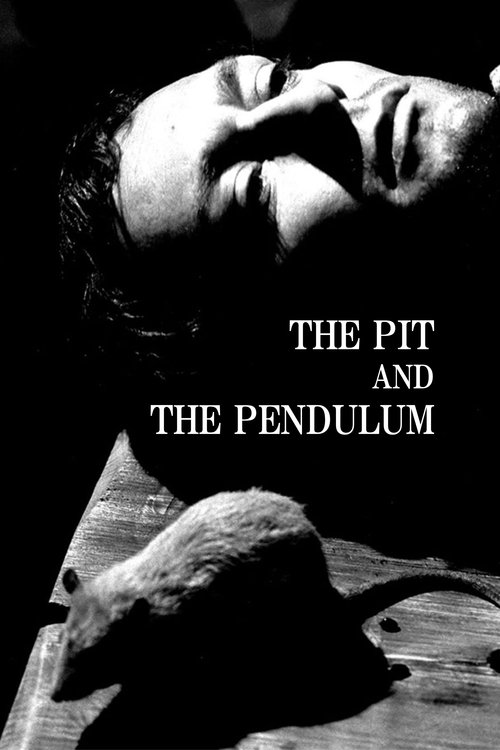
The Pit and the Pendulum
1964
No user ratings available yet
Representation score: 5.4 out of 10
Representation Score
Limited
1960
Director
Enrique Carreras
Runtime
120 minutes
Average Rating
No ratings yetNew Showbiz Analysis
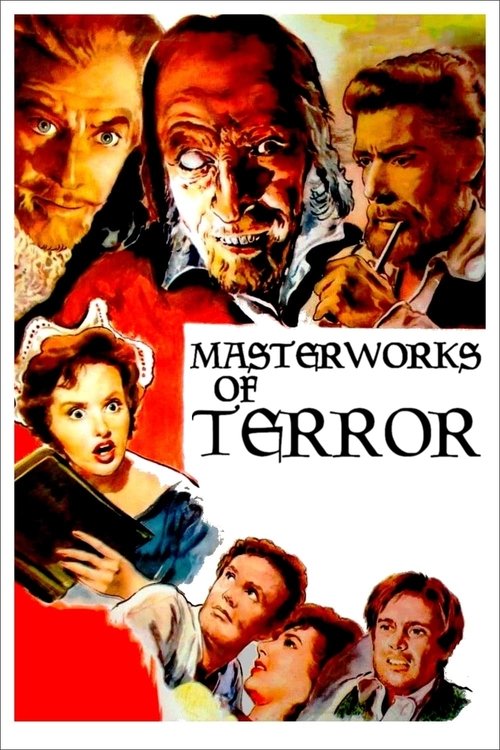
Masterworks of Terror is a traditional genre anthology that prioritizes atmospheric horror and literary adaptation. By leaning heavily into 19th-century Gothic Romanticism, the film remains tied to the psychological anxieties of Poe's era rather than modern social dynamics. The production adheres to the stylistic and social norms of 1960, focusing on individual madness and vengeance. This results in a narrative that lacks intentional subversion of social hierarchies or characters who reflect more than one aspect of diversity. Ultimately, the film serves as a faithful exercise in macabre storytelling, though it offers little in the way of diverse perspectives or contemporary identity exploration.
Category Breakdown
The film explores themes of isolation and psychological breakdown but does not include any non-binary gender identities or critiques of the assumption that everyone is straight or cisgender.
The segments use traditional Gothic archetypes focused on death and revenge, reinforcing historical gender roles despite the emotional importance of female characters.
The production likely reflects a homogeneous European aesthetic, with no indication of race-bent casting or the inclusion of diverse ethnic perspectives.
Themes center on individual psychological horror without critiquing Western institutions. The narrative adheres to established Western literary traditions.
Depictions of physical or mental instability serve as plot devices to heighten terror, lacking nuanced portrayals of neurodivergence or ability to act.
Present on Screen
Limited or Absent
Official Synopsis
Three extraordinary tales written by Edgar Allan Poe, the Master of the Grotesque: a man who is dead but is not; a cask of wine and a meditated revenge; and a heart that refuses to stop beating.
1964

1962
1953
1968
1965
2015
1963
1928
No reviews yet. Be the first to share your thoughts on this movie!
Use the rating form above to leave a star rating and optional review.