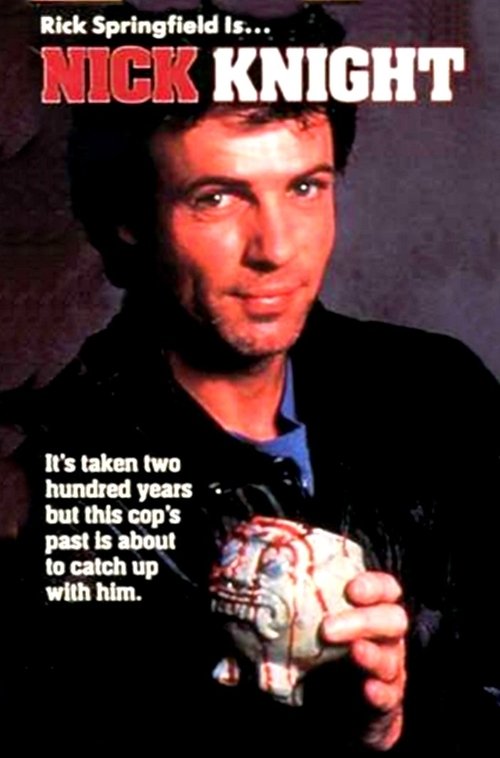
Nick Knight
1989
No user ratings available yet
Diversity score: 4.5 out of 10

1967
UnratedDirector
Khwaja Sarfraz
Runtime
103 minutes
Average Rating
No ratings yetSynopsis
A rendition of the Dracula tale with many similarities to the British 1950s Dracula.
Overall Score
Limited
Category Breakdown
LGBTQ+ Representation
The film appears to follow the heteronormative structures common in 1960s genre cinema. There is no evidence of queer subtext or non-cisnormative identities within this Dracula-inspired narrative.
Gender Representation
Female characters likely occupy traditional roles of victimhood or supernatural allure. The film seems to reinforce established gender hierarchies rather than subverting them through character agency.
Racial & Ethnic Diversity
As a South Asian production, the film centers non-Western identities. However, its reliance on a Western Gothic tale suggests a potential for cultural mimicry of the original source.
Religious & Cultural Diversity
The narrative likely prioritizes genre suspense over systemic critique. It appears to uphold conventional moralities and traditional notions of good versus evil through its supernatural elements.
Disability Representation
Physical or mental traits may be used as aesthetic tools to signify the monstrous. There is little evidence of characters with disabilities possessing meaningful agency.
Strengths
Areas for Improvement
AI Analysis
The Living Corpse functions as a localized adaptation of Western Gothic tropes. While it provides regional representation by centering a South Asian cast, the narrative remains tethered to mid-century genre conventions. The film's reliance on the Dracula mythos suggests a preference for traditional hierarchies. It utilizes horror elements to reinforce established moralities rather than exploring complex social or identity-based nuances. Ultimately, the production reflects the constraints of its era, prioritizing genre-standard archetypes over the deconstruction of colonial or gendered power structures.
No reviews yet. Be the first to share your thoughts on this movie!
Use the rating form above to leave a star rating and optional review.