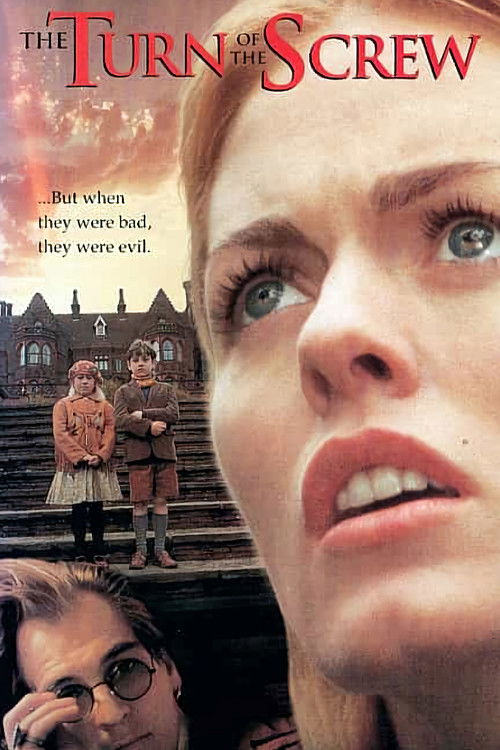
The Turn of the Screw
1992
No user ratings available yet
Representation score: 5.1 out of 10
Representation Score
Limited
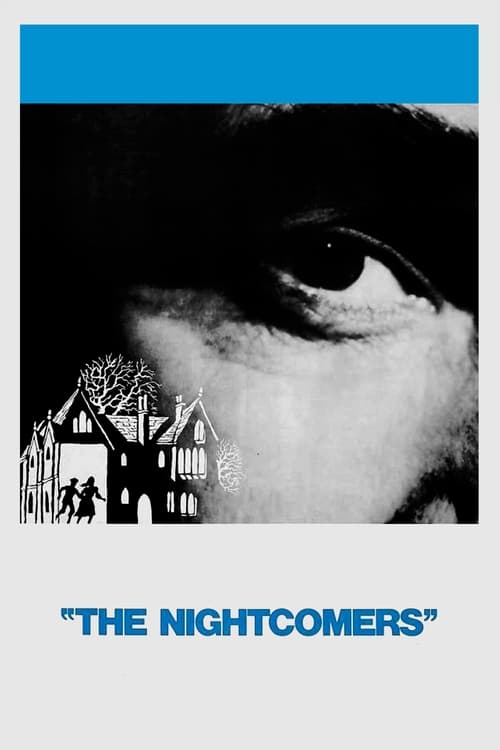
1972
RDirector
Michael Winner
Runtime
96 minutes
Average Rating
No ratings yetNew Showbiz Analysis
The Nightcomers is a period drama that reflects the rigid social structures of its 19th-century setting. While it avoids glorifying colonial expansion by highlighting frontier violence, it remains anchored in traditional gender hierarchies and lacks multi-layered depth. The film engages with the colonial encounter by showing the tension between settlers and indigenous populations. However, the representation is limited by the era's cinematic conventions, particularly regarding the influence of Aboriginal characters. Ultimately, the work acknowledges systemic conflict without actively dismantling its foundational social structures. It functions as a genre piece that adheres more to historical norms than to progressive narrative subversion.
Category Breakdown
The film does not include any LGBTQ+ characters or explore non-straight relationships. The social framework aligns with 19th-century colonial norms.
Power dynamics center around male leaders, with men making key decisions. The film upholds traditional gender roles, emphasizing male leadership and women's domestic roles.
Set in 1840s Australia, the film shows tension between settlers and Aboriginal peoples. However, Aboriginal characters have limited influence on the plot, and non-indigenous actors play indigenous roles.
The film challenges the 'civilizing mission' myth by depicting the colonial project through moral ambiguity. It highlights the violent struggle for land and the breakdown of social order.
The film does not feature any characters with visible or invisible disabilities who drive the narrative or serve as central plot devices.
Present on Screen
Limited or Absent
Official Synopsis
Prequel to the Henry James classic "Turn of the Screw" about the events leading up to the deaths of Peter Quint and Ms. Jessel, and the slow corruption of the children in their care.
1992
1976
1972
1986
2017
1965

2012

1961
No reviews yet. Be the first to share your thoughts on this movie!
Use the rating form above to leave a star rating and optional review.