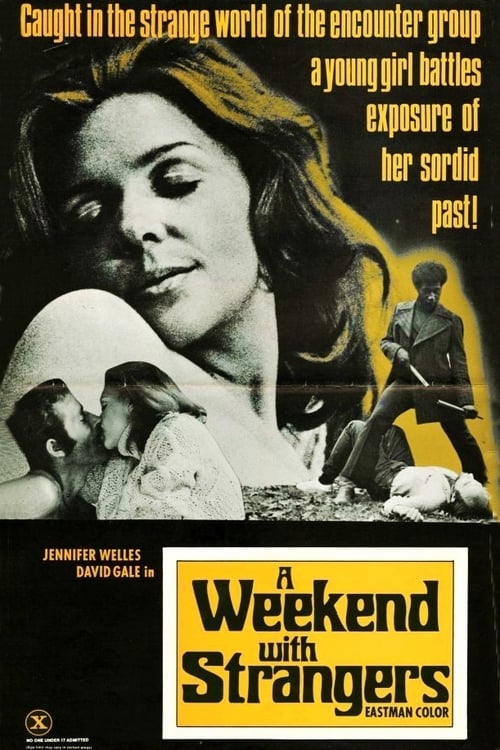
A Weekend with Strangers
1971
No user ratings available yet
Representation score: 2.0 out of 10
Representation Score
Minimal
1972
Not RatedDirector
Ted Hooker
Runtime
91 minutes
Average Rating
No ratings yetNew Showbiz Analysis
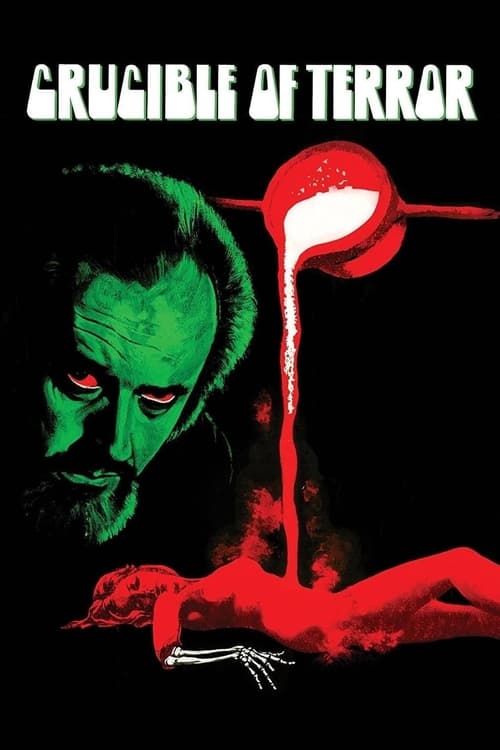
Crucible of Terror follows the standard conventions of 1970s horror, focusing on individual psychological issues rather than broader social critiques. The film's structure relies on traditional genre clichés that cater to a narrow demographic. The narrative emphasizes established hierarchies, particularly around gender, where women often act as catalysts for male-driven tragedies. This lack of depth in representing different aspects of identity leads the film to mirror the social norms of its time without challenging them.
Category Breakdown
The film does not include any LGBTQ+ characters or stories about non-cisgender identities. It focuses on a relationship between a male sculptor and a female subject.
The story follows traditional gender roles, with the male character being the main driver and the female character being passive. Revenge themes might give the female character some influence, but the overall plot supports a gender hierarchy.
The film does not show any ethnic diversity or varied casting. It seems to follow the typical demographic patterns of 1970s horror dramas.
The themes focus on personal morality and individual mental instability rather than broader social issues. The story centers on psychological problems in a secluded environment.
There is no mention of physical or neurodivergent disabilities in the film.
Present on Screen
Limited or Absent
Official Synopsis
An obsessed sculptor kills a young women to make a perfect bronze sculpture of her. Years later at his secluded home a number of people become trapped in a web of revenge, murder and horror.
1971
1986
1968
1935
1978

2010

1975
1979
No reviews yet. Be the first to share your thoughts on this movie!
Use the rating form above to leave a star rating and optional review.