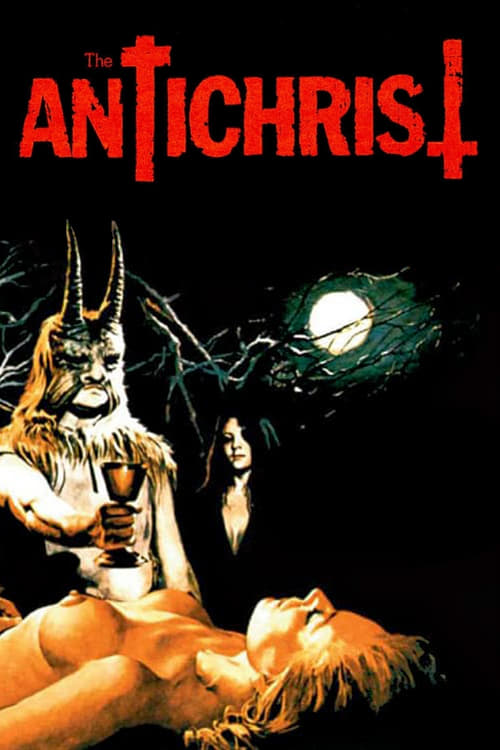
The Antichrist
1974
No user ratings available yet
Representation score: 3.5 out of 10

Representation Score
Fair
1963
Not RatedDirector
Mario Bava
Runtime
87 minutes
Average Rating
No ratings yetNew Showbiz Analysis
Mario Bava’s work prioritizes visual subversion and psychological complexity. While the film excels at deconstructing gender clichés by granting the female protagonist subjective ability to act, it remains limited by its historical setting. The narrative focuses on individual psychoanalytic themes, critiquing traditional aristocratic and patriarchal structures. However, it lacks broader multi-layered or systemic representation. Ultimately, the film is a stylistic triumph of psychological horror that lacks diverse casting or identity-driven narratives.
Category Breakdown
The film does not include explicit LGBTQ+ identities or same-sex intimacy. It emphasizes heterosexual relationships and psychological obsession within the Gothic horror setting.
Federica gains a significant role in driving the story by focusing on her internal psychological landscape and erotic experiences. This disrupts the traditional damsel in distress cliché.
The cast remains homogeneous, reflecting the 18th-century Spanish aristocratic setting. There is no use of race-bent casting or diverse ethnic representation.
The film uses religious iconography to explore madness and repression. It challenges the benevolent patriarch figure through the sadistic Kurt Menliff.
Themes of madness and psychological fragmentation create a Gothic atmosphere. These elements serve stylistic purposes rather than providing nuanced portrayals of neurodivergence.
Present on Screen
Limited or Absent
Official Synopsis
Disowned in the past by his father, Kurt Menliff, a cruel and sadistic nobleman, returns to the family castle to reclaim his inheritance.
1974
1960
1972
1968

1968

1964
1969
1970
No reviews yet. Be the first to share your thoughts on this movie!
Use the rating form above to leave a star rating and optional review.