
Fausto 5.0
2001
No user ratings available yet
Representation score: 4.3 out of 10
Representation Score
Fair
1973
Not RatedDirector
Juan Fortuny
Runtime
87 minutes
Average Rating
No ratings yetNew Showbiz Analysis
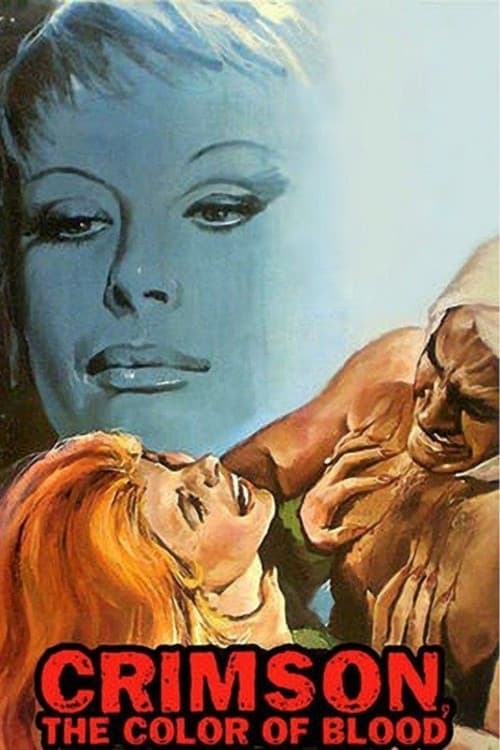
Crimson, the Color of Blood adheres closely to the established conventions of 1970s horror. The narrative emphasizes visceral genre clichés and the psychological transformation of its main character over exploring diverse identities. The film relies on traditional archetypes such as the mad doctor and the violent criminal, which reinforce conventional power dynamics and masculine violence rather than challenging these norms. Ultimately, the work uses bodily differences and medical trauma primarily to generate fear and maintain genre-standard morality, rather than representing diverse lived experiences.
Category Breakdown
The film does not include any explicit references to LGBTQ+ characters or non-cisgender identities. The storyline follows a traditional horror framework without highlighting any queer characters taking active roles.
The story focuses on a mad doctor and an injured criminal, reinforcing stereotypes associated with masculinity and violence. Women are not shown in roles that require intellectual leadership or authority.
There is no information about the ethnic makeup of the cast or characters. The film does not provide any evidence of intentional racial diversity or characters of color playing significant roles.
The plot examines the ethical implications of medical transplants but does not critically address Western institutions or organized religion.
Physical injuries and neurological changes are central to the plot, serving mainly as tools to create fear rather than as nuanced depictions of disability or neurodivergence.
Present on Screen
Limited or Absent
Official Synopsis
A mad doctor performs a head transplant on an injured criminal, which results in him being even more dangerous and murderous than before.
2001
1960

1973

1924
1971
1935
1963

1958
No reviews yet. Be the first to share your thoughts on this movie!
Use the rating form above to leave a star rating and optional review.