
House of the Damned
1974
No user ratings available yet
Representation score: 6.7 out of 10
Representation Score
Fair
1972
RDirector
Vicente Aranda
Runtime
96 minutes
Average Rating
No ratings yetNew Showbiz Analysis
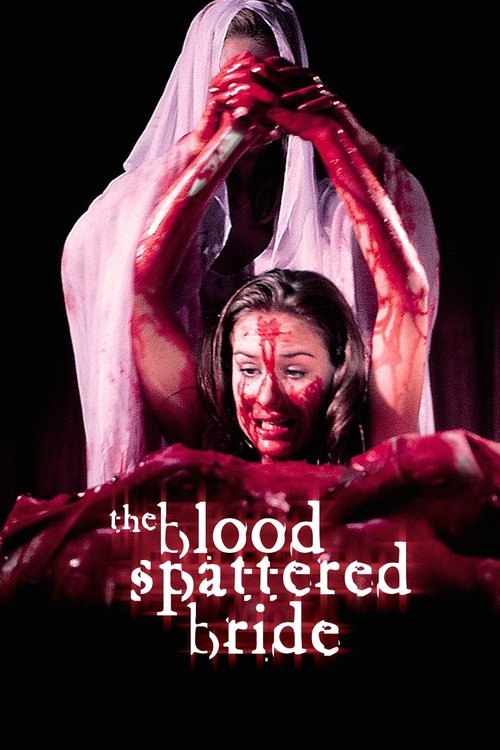
The Blood Spattered Bride is a genre-bending work that prioritizes psychological subversion over demographic variety. It finds its strength in deconstructing traditional social roles, particularly through its dark take on gender and domesticity. While the film offers a sophisticated critique of the idealized Western family, it remains limited by the social homogeneity of its era. The lack of racial and LGBTQ+ representation keeps the overall diversity score low. Ultimately, the film functions as a study of psychological fragmentation. It trades traditional inclusivity for a complex, albeit dark, exploration of how social and marital structures can become sites of entrapment.
Category Breakdown
The film follows a strictly straight-centered framework focused on a bride, her husband, and a lover. It lacks any presence of non-binary or queer narratives.
The narrative challenges the 'innocent bride' cliché by focusing on the protagonist's psychological volatility. It explores women's ability to drive the story through the lens of madness and the breakdown of patriarchal domesticity.
The cast is predominantly white and European, reflecting the social homogeneity of its historical Spanish setting. There is no evidence of diverse ethnic ensembles or race-bent casting.
The film challenges idealized Western family structures by portraying marriage as a site of horror and entrapment. It uses the breakdown of social order to explore moral relativism.
Mental instability is a central narrative driver used to fuel psychological horror. While it explores neurodivergence, it focuses on internal deterioration for genre-based tension.
Present on Screen
Limited or Absent
Official Synopsis
A young newlywed woman begins to have disturbing nightmares just after settling into the old mansion that has belonged to her husband's family for centuries. When her sinister dreams come true, the innocent bride is caught in a maddening maze of unspeakable horrors.
1974
1977
1973
1986
1972
1971
1974

1960
No reviews yet. Be the first to share your thoughts on this movie!
Use the rating form above to leave a star rating and optional review.