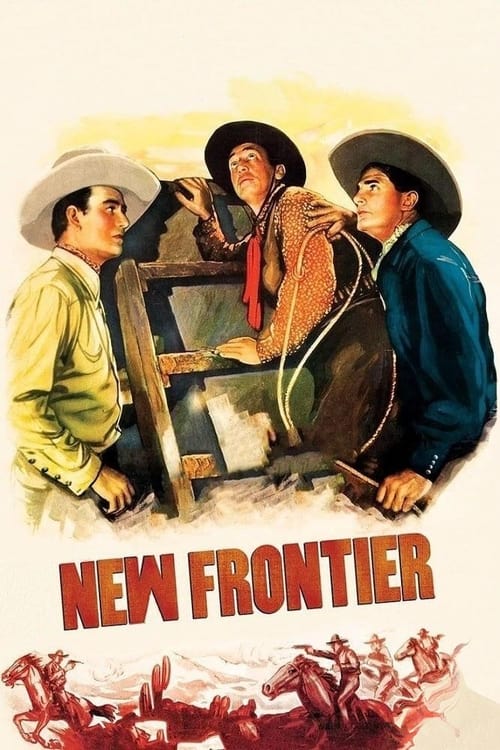
New Frontier
1939
No user ratings available yet
Representation score: 0.6 out of 10

Representation Score
Minimal
1938
ApprovedDirector
George Sherman
Runtime
56 minutes
Average Rating
No ratings yetNew Showbiz Analysis
Heroes of the Hills is a traditional 1930s Western that emphasizes genre clichés and moral binaries. While it explores the idea of institutional reform through a prison farm model, the narrative stays true to the era's social norms. The film lacks diversity, focusing primarily on a male ensemble. This limits the exploration of various social perspectives and identities. Ultimately, the film serves as a typical adventure story of its time, reinforcing the conservative narrative structures common to the studio era.
Category Breakdown
The film does not include any characters with LGBTQ+ identities or non-cisgender traits. It adheres to the conventions of 1930s Western cinema.
The story focuses on a male ensemble known as the Three Mesquiteers, emphasizing traditional masculine roles without challenging gender hierarchies.
The film likely centers on a homogeneous white cast typical of its time. It reflects the era's preference for Anglo-Saxon characters in Western stories.
The plot delves into themes of prison reform versus industrial interests, resolving conflicts through traditional values of merit and frontier justice.
The film does not feature any characters with visible or invisible disabilities. There are no characters with disabilities given significant roles or ability to act.
Present on Screen
Limited or Absent
Official Synopsis
In this entry in the long-running series of westerns, the Three Mesquiteers transform their ranch into a prison farm to provide a model for prison reform. They are opposed by a local contractor who wants to build a standard prison.
1939
1939

1940
1934
1936
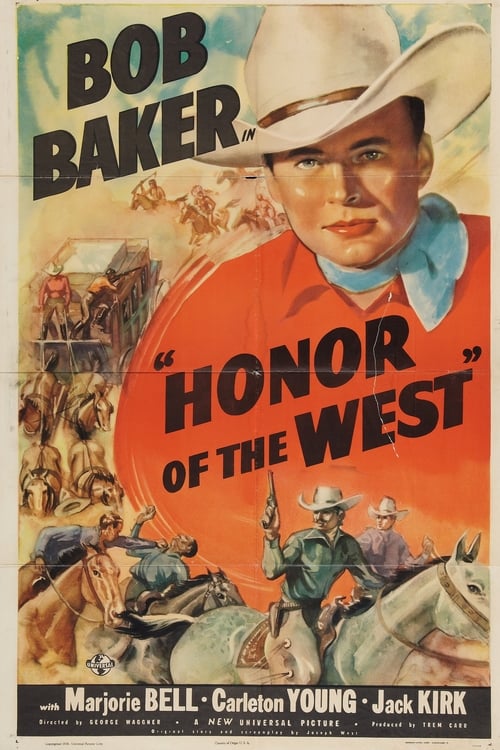
1939
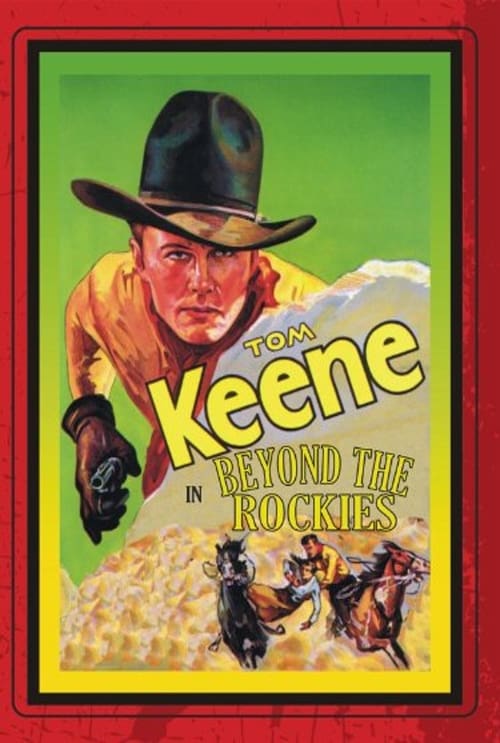
1932
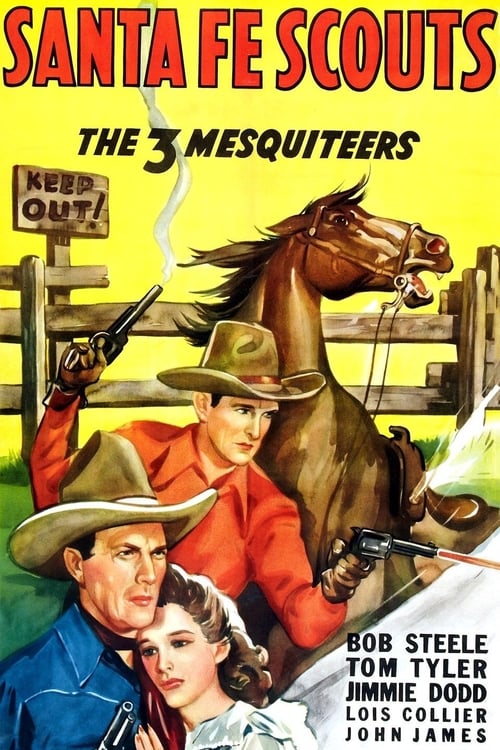
1943
No reviews yet. Be the first to share your thoughts on this movie!
Use the rating form above to leave a star rating and optional review.