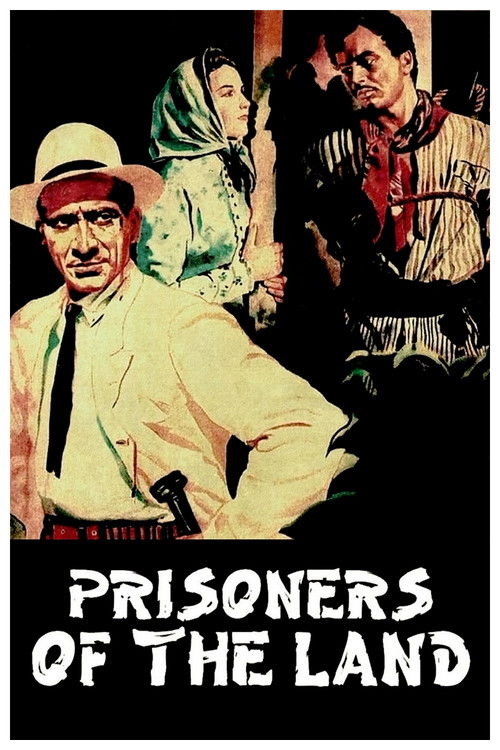
Prisoners of the Land
1939
No user ratings available yet
Diversity score: 4.4 out of 10
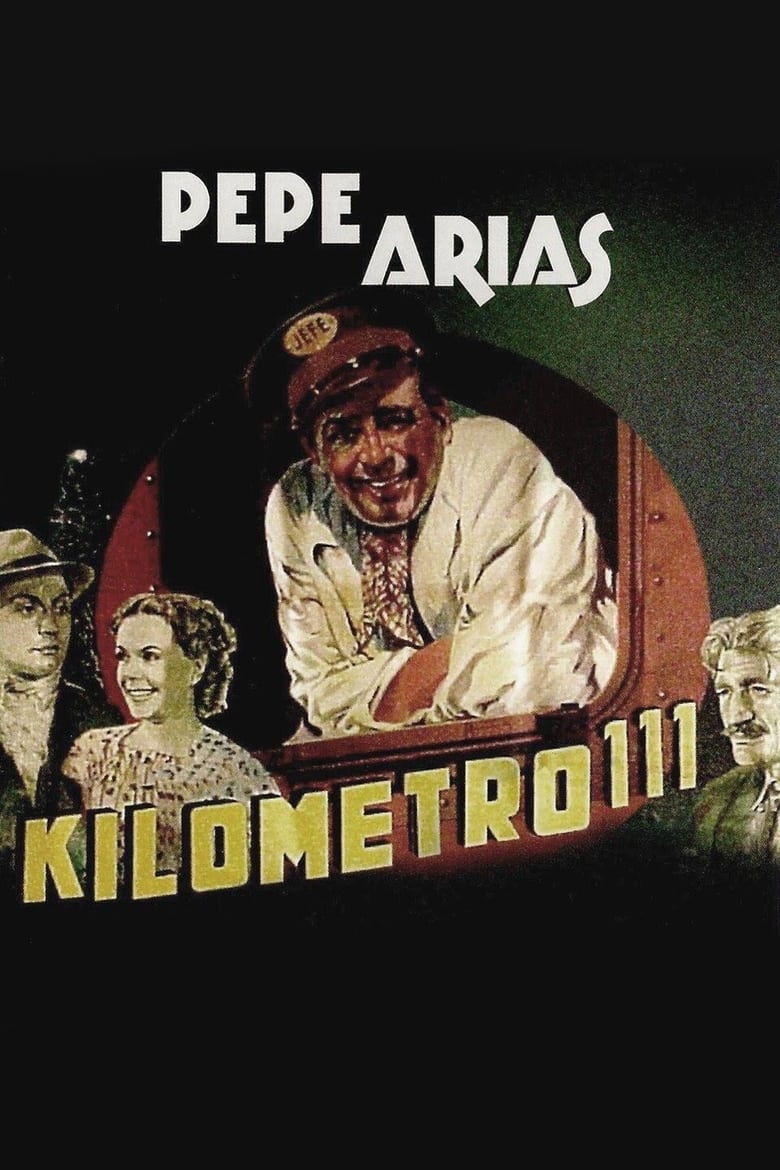
1938
Director
Mario Soffici
Runtime
103 minutes
Average Rating
No ratings yetSynopsis
Ceferino is the train station chief o a remote town. A group of planters ask him to legit them the wagons to send the harvest to Buenos Aires, he agrees, but he gets fired.
Overall Score
Fair
Category Breakdown
LGBTQ+ Representation
The film focuses on the material conditions of the working class and 1930s domestic life. There are no non-heteronormative identities or queer-coded character arcs present.
Gender Representation
Women appear primarily in domestic or supportive roles within the working-class ecosystem. The central conflict is driven by male laborers and authority figures, reflecting 1930s gendered labor structures.
Racial & Ethnic Diversity
The film centers on the multi-ethnic reality of the Argentine laborer. It avoids depicting a homogeneous, elite white hegemony by focusing on a localized, regional identity.
Religious & Cultural Diversity
The narrative critiques established socioeconomic structures by framing the worker's struggle against powerful planters. It uses social realism to challenge traditional capitalist hierarchies and systemic corruption.
Disability Representation
There is no documented evidence regarding the inclusion or portrayal of characters with physical or neurodivergent disabilities.
Strengths
Areas for Improvement
AI Analysis
Kilómetro 111 is a significant artifact of Argentine social realism that prioritizes the struggles of the proletariat. It uses the tension between labor and systemic authority to explore the socioeconomic realities of the 1930s. The film succeeds in providing a grounded portrait of regional identity. By centering the narrative on the diverse, multi-ethnic reality of the working class, it avoids the idealized standards often found in commercial cinema. However, the work is limited by the period's social hierarchies. The lack of queer representation and the confinement of female agency to domestic spheres prevent a higher diversity score.
1939
1961
1951
1939
1960
1928

1933

1932

1930
1948

1943

1965
No reviews yet. Be the first to share your thoughts on this movie!
Use the rating form above to leave a star rating and optional review.