
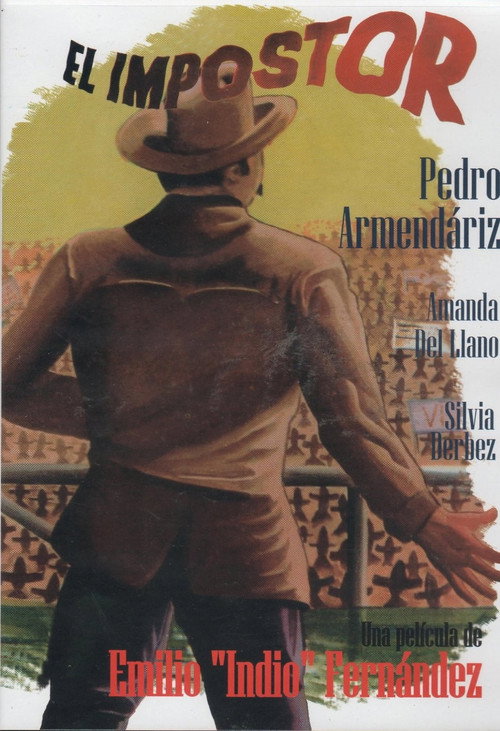
Hidden River
1948
No user ratings available yet
Representation score: 3.1 out of 10
Representation Score
Limited
1960
Director
Emilio Fernández
Runtime
79 minutes
Average Rating
No ratings yetNew Showbiz Analysis
El impostor is a character study centered on institutional conflict rather than diverse representation. Its strength lies in celebrating individual resistance against systemic pressures, while it remains bound by the demographic and social norms of its time. The film provides a non-Western cultural perspective on social justice, but it lacks broad representation in gender and LGBTQ+ communities, sticking to conventional mid-century dramatic structures.
Category Breakdown
The film follows the conventions typical of 1960s Mexican cinema, which assume everyone is straight and cisgender. There is no indication of non-traditional gender identities or same-sex relationships.
The story focuses on Cesar Rubio, a male educator, emphasizing his professional integrity. The film does not significantly challenge traditional gender roles or provide strong roles for female characters.
The film centers on a Mexican perspective, offering a non-Western viewpoint on justice through its focus on local social issues.
The story depicts a teacher rebelling against school administration, highlighting the tension between personal morality and institutional rules.
There is no information about the inclusion or portrayal of characters with physical or neurodivergent disabilities.
Present on Screen
Limited or Absent
Official Synopsis
Cesar Rubio, a school teacher in the city, is fired for staying true to his ideals and values, and is also accused of encouraging rebellion among his students, who were demanding the principal's resignation through a strike.
1948
1951
1962

1933
1951
1969
1951

1954
No reviews yet. Be the first to share your thoughts on this movie!
Use the rating form above to leave a star rating and optional review.