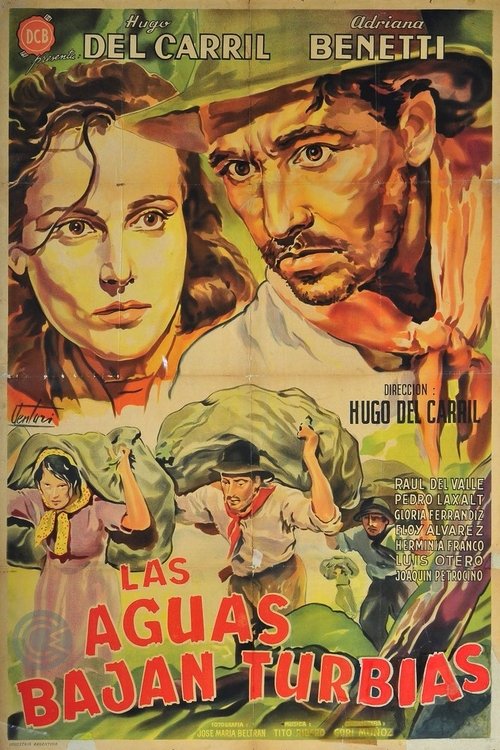
Dark River
1952
No user ratings available yet
Representation score: 2.9 out of 10
Representation Score
Limited
1961
Director
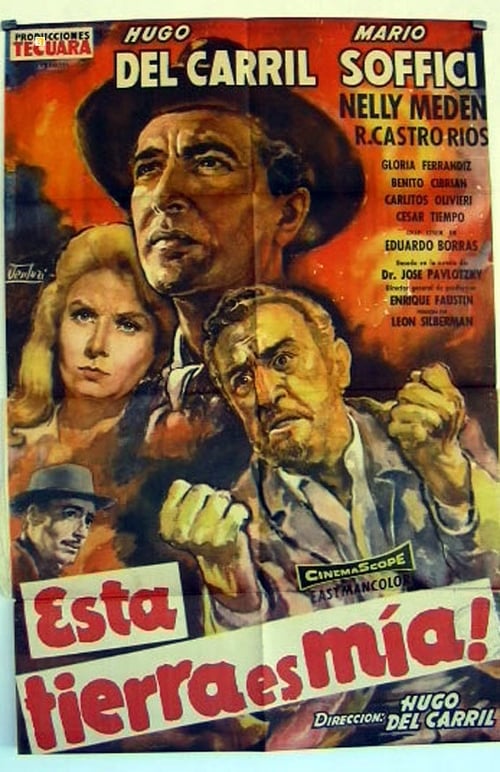
Hugo del Carril
Runtime
100 minutes
Average Rating
No ratings yetNew Showbiz Analysis
Esta tierra es mía is a social realist drama that emphasizes class struggle over individual identity politics. It successfully portrays the socioeconomic tensions faced by Chaco cotton workers, critiquing capitalist structures through the lens of labor. However, the film adheres closely to the social norms of its 1961 setting. It lacks representation for LGBTQ+ individuals or people with disabilities, and its gender dynamics are rooted in traditional masculine roles. Ultimately, the film's strength lies in its cultural critique of systemic hardship rather than its broad range of diverse character identities.
Category Breakdown
The film does not include any LGBTQ+ characters or themes related to non-straight relationships. The story focuses on traditional farming practices rather than queer identities.
The narrative mainly revolves around the male experience of labor and land ownership. Women are present but are confined to traditional roles within the mid-20th-century social structure.
The cast is predominantly white, mirroring the ethnic makeup of the rural Chaco region in 1961. It offers a realistic portrayal of the local population during that time.
The film highlights the struggles of cotton workers against economic pressures, emphasizing the laborers' fight as a central moral issue. It critiques traditional property ownership.
There are no characters with visible or invisible disabilities featured in the narrative. Disability is not utilized as a plot device.
Present on Screen
Limited or Absent
Official Synopsis
The life of the cotton workers in the Chaco and its struggle for wages.
1952
1984
1959
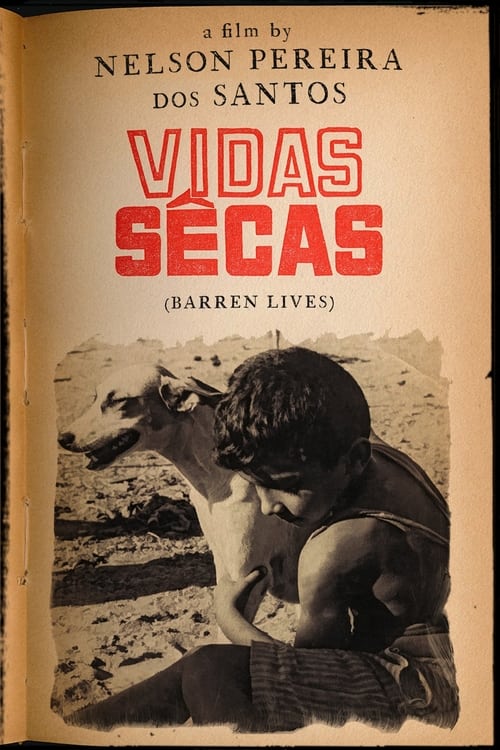
1963
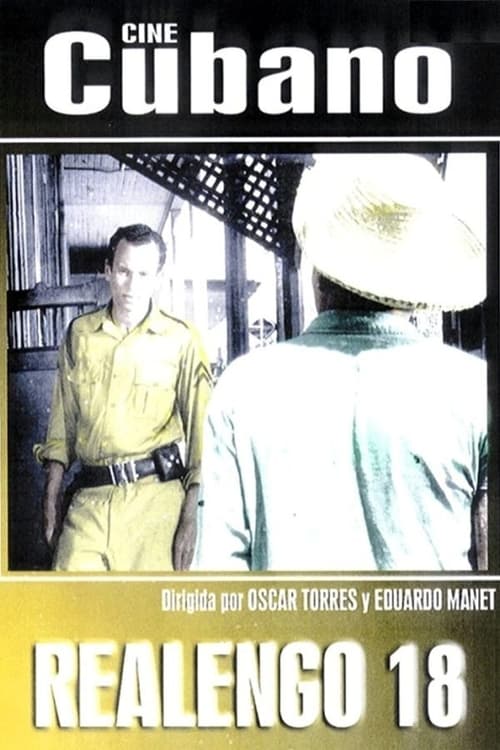
1961
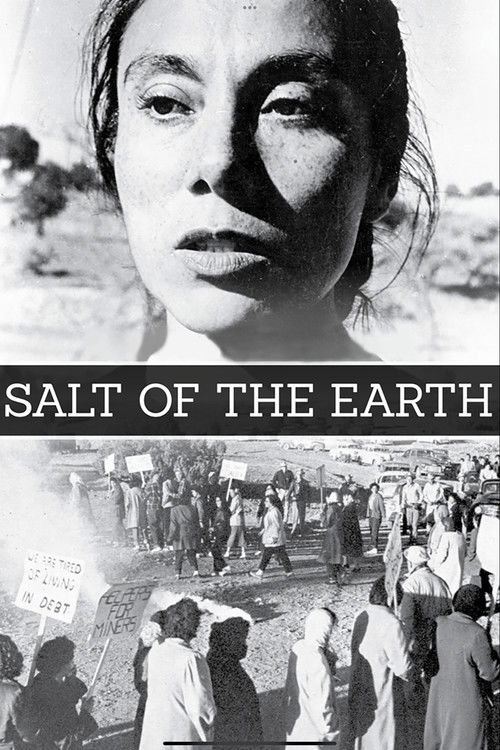
1954
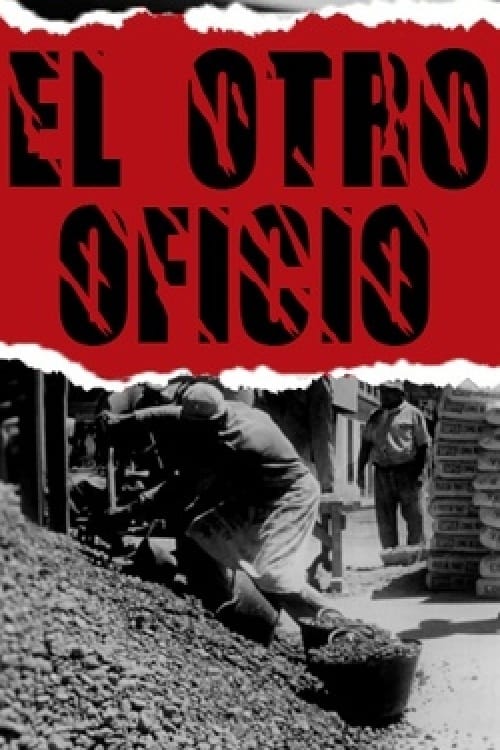
1967

1980
No reviews yet. Be the first to share your thoughts on this movie!
Use the rating form above to leave a star rating and optional review.