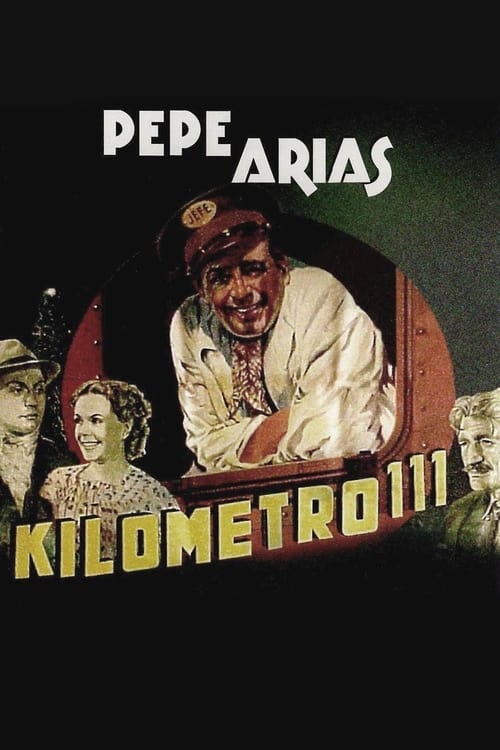
Kilómetro 111
1938
No user ratings available yet
Diversity score: 4.9 out of 10
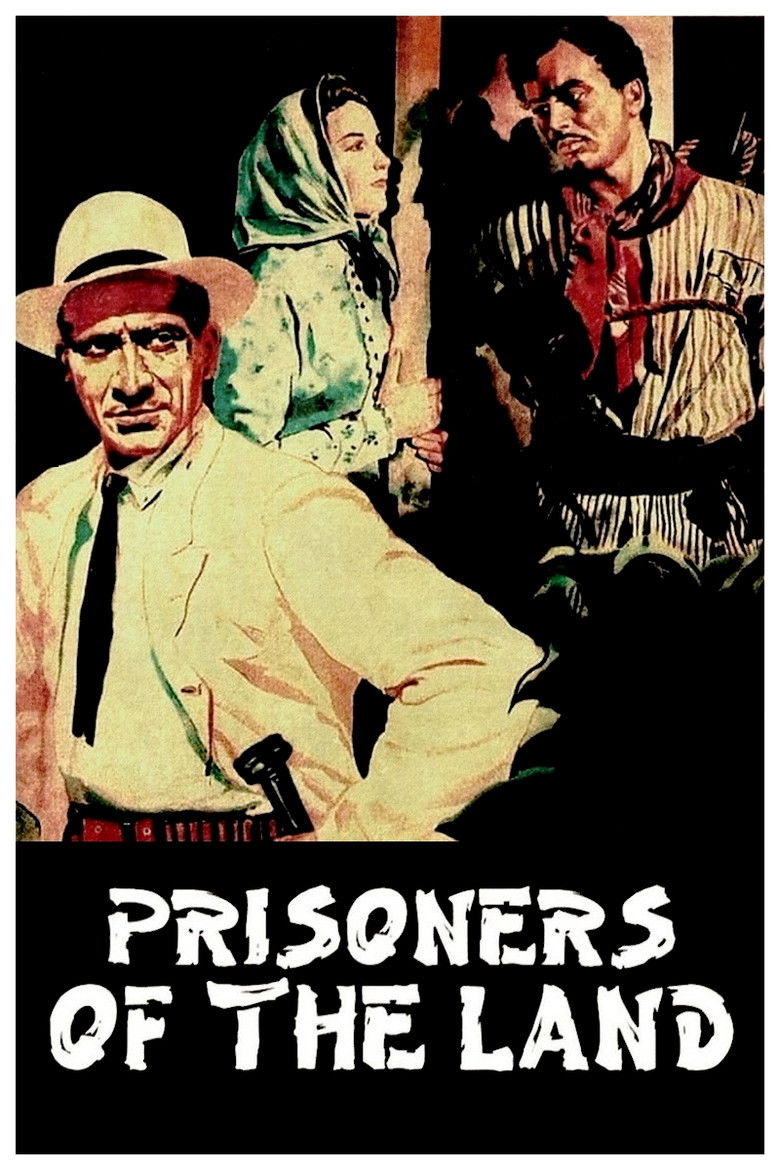
1939
Not RatedDirector
Mario Soffici
Runtime
87 minutes
Average Rating
No ratings yetSynopsis
Argentina, 1915. Accompanied by a doctor and his beautiful daughter, Köhner, a ruthless foreman who rules a yerba mate plantation with an iron fist, arrives in the city of Posadas with the purpose of hiring workers.
Overall Score
Fair
Category Breakdown
LGBTQ+ Representation
The film lacks any evidence of LGBTQ+ characters or narratives. The story focuses strictly on labor exploitation and class dynamics within a 1915 setting.
Gender Representation
Power is concentrated in a patriarchal hierarchy led by a ruthless foreman. Female characters, such as the doctor's daughter, appear to serve as romantic interests rather than agents of change.
Racial & Ethnic Diversity
The yerba mate plantation setting implies a multi-ethnic workforce of indigenous and migrant laborers. The film likely captures the diverse composition of the rural working class through a social realist lens.
Religious & Cultural Diversity
The narrative critiques capitalist structures and the oppressive nature of land-owning hierarchies. It centers on the systemic exploitation inherent in the yerba mate industry.
Disability Representation
There is no documented representation of physical or neurodivergent disabilities within the film's narrative.
Strengths
Areas for Improvement
AI Analysis
Mario Soffici’s work serves as a foundational piece of Argentine social realism, prioritizing the depiction of socioeconomic hierarchies over individual identity politics. The film finds its strength in its critique of institutional authority and the systemic pressures facing the rural working class. While the film lacks modern intersectional markers like LGBTQ+ visibility or disability representation, it avoids romanticizing rural life. Instead, it highlights the friction between unchecked power and the laborers caught within it. Ultimately, the film's diversity is found in its class-based perspective, offering a nuanced look at the exploitation of the yerba mate industry and the struggle against iron-fisted management.
1938
1970
1945

2007
1977

2006

1988

1932
1934

2013

2002
1976
No reviews yet. Be the first to share your thoughts on this movie!
Use the rating form above to leave a star rating and optional review.