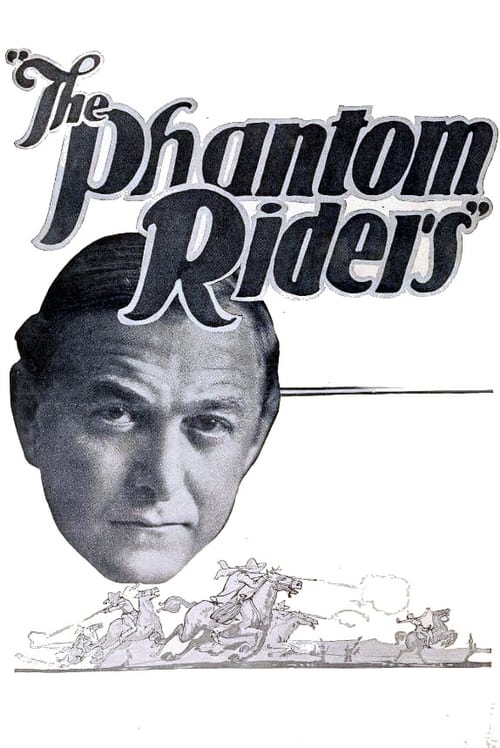
The Phantom Riders
1918
No user ratings available yet
Representation score: 1.7 out of 10
Representation Score
Minimal
1917
PassedDirector
William S. Hart
Runtime
50 minutes
Average Rating
No ratings yetNew Showbiz Analysis
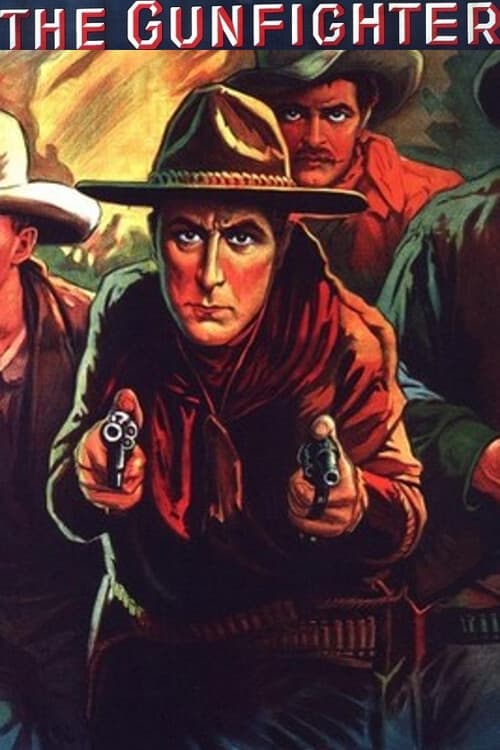
The Gun Fighter is a classic silent Western that upholds traditional social hierarchies. The narrative centers on masculine leadership and frontier justice, offering little disruption to conventional social norms. Although the inclusion of El Salvador adds a non-Anglo-Saxon presence to the conflict, he is still confined to the clichés of the era. The film primarily serves to reinforce, rather than challenge, the archetypes of its time. Ultimately, the work reflects the era's emphasis on individual merit and survivalist morality, without significantly challenging the status quo.
Category Breakdown
The film does not include any LGBTQ+ characters or non-cisgender identities. It strictly follows the gender roles of the early 20th-century Western society.
The story focuses on male characters like Hudspeth and his rivals, emphasizing their roles as leaders. The film reinforces the idea of the masculine leader as the main driver of conflict.
El Salvador, described as a 'half-breed,' introduces a non-Anglo-Saxon presence. However, he is portrayed as a rival within the established clichés of the time.
The story centers on the 'Code of the West,' which emphasizes personal honor and vigilante justice. It upholds the myth of the frontier hero without questioning the institutions of the time.
The film does not show any characters with visible or invisible disabilities. The plot highlights physical strength and combat skills, focusing on bodily autonomy and prowess.
Present on Screen
Limited or Absent
Official Synopsis
Cliff Hudspeth, the leader of a band of outlaws in Arizona, has won his place by the killing of notorious gun-bullies. At their headquarters, in the Gila Mountains, in consultation with "Ace High," his lieutenant, he plans depredations on the neighboring settlements. Although Hudspeth is powerful, their rule is disputed by El Salvador, a half-breed, and his following of desperadoes. Desert Pass is the scene of many conflicts between the contending bands. Rumors of the arrival of miners with gold causes El Salvador to send "Cactus" Fuller, his henchman, to levy tribute by a hold-up, which is successful. Flushed with triumph, he boasts in the "Golden Fleece" saloon of the ignominies to which he would treat Cliff Hudspeth if he ever met him.
1918
1969
1930
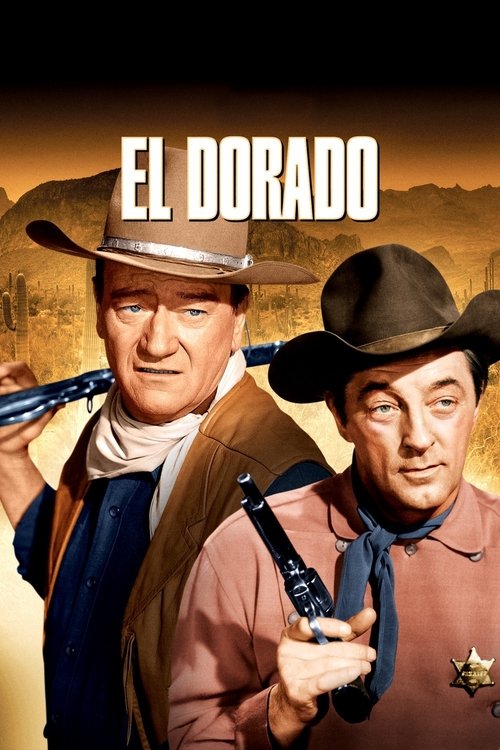
1966
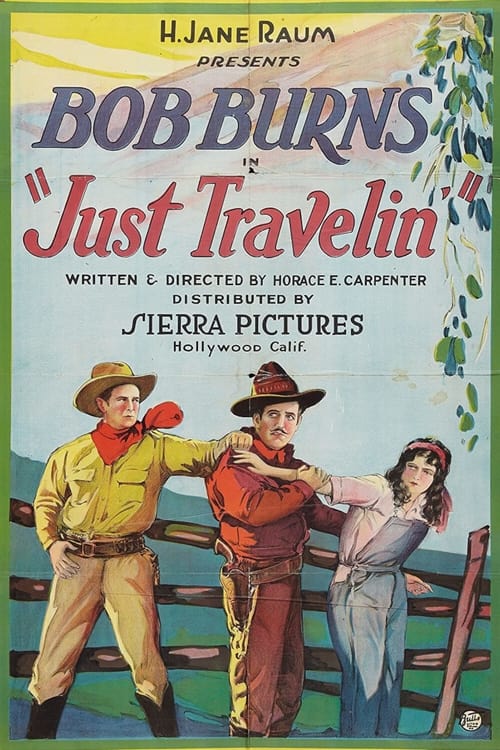
1925
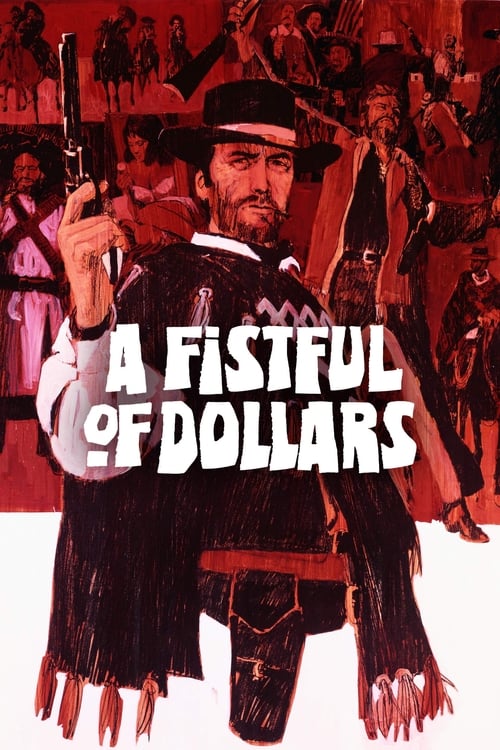
1964
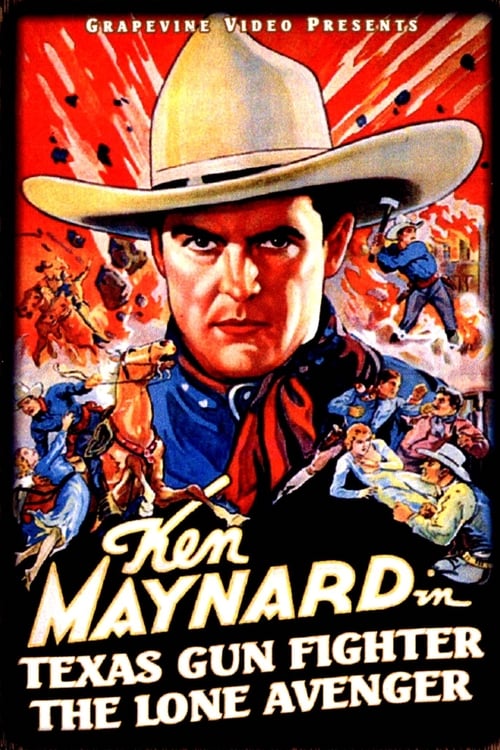
1932
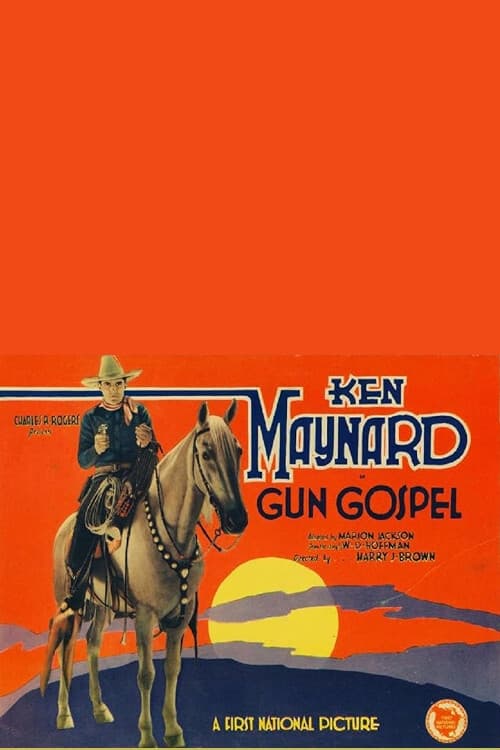
1927
No reviews yet. Be the first to share your thoughts on this movie!
Use the rating form above to leave a star rating and optional review.