
Pals of the Range
1935
No user ratings available yet
Diversity score: 1.6 out of 10

1935
ApprovedDirector
Elmer Clifton
Runtime
65 minutes
Average Rating
No ratings yetSynopsis
Desperados menace a mining operation.
Overall Score
Limited
Category Breakdown
LGBTQ+ Representation
The film lacks any evidence of queer subtext or characters that challenge the heteronormative status quo. It adheres to the era's standard of excluding non-heteronormative identities.
Gender Representation
Gender roles appear rigid, likely centering on masculine agency through the hero. Female characters are relegated to passive roles, such as victims or domestic motivators, without subverting traditional hierarchies.
Racial & Ethnic Diversity
The title suggests Spanish or Mexican influence, but the film likely relies on ethnic archetypes. Non-Anglo characters are framed through a lens of otherness or as antagonists.
Religious & Cultural Diversity
The narrative promotes traditionalist morality centered on property rights and individualist heroism. It lacks the moral relativism or institutional critique found in more progressive cinema.
Disability Representation
There is no evidence of characters with visible or invisible disabilities. Such portrayals were rarely used for agency during this cinematic era.
Strengths
Areas for Improvement
AI Analysis
Fighting Caballero is a standard 1930s B-Western that prioritizes genre conventions over narrative depth. The plot focuses on protecting a mining operation from desperados, reinforcing traditional frontier archetypes and linear morality. The film operates within a framework of established social hierarchies. It emphasizes masculine agency and the defense of capitalist interests, offering little room for intersectional perspectives or the subversion of social norms. Ultimately, the work serves as a time capsule of mid-1930s cinema, where character roles are defined by rigid archetypes rather than nuanced identity.
1935
1938
1943
1944
1944
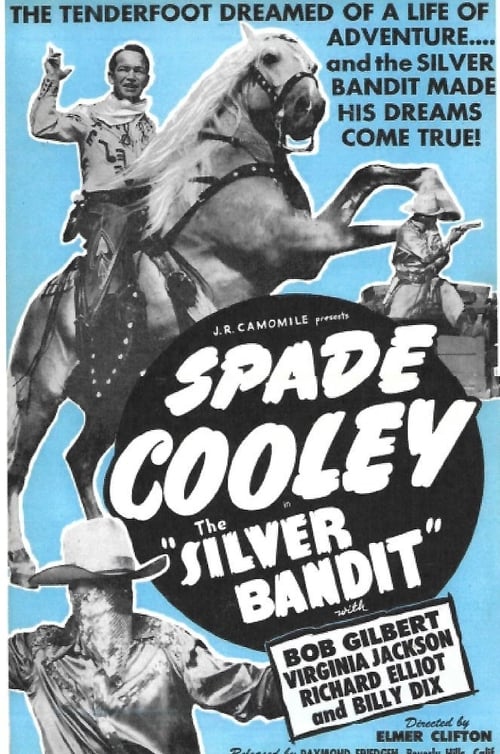
1950
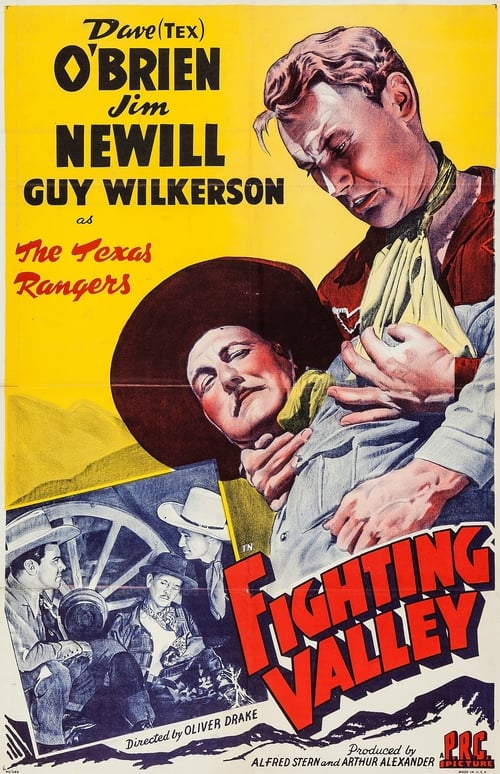
1943
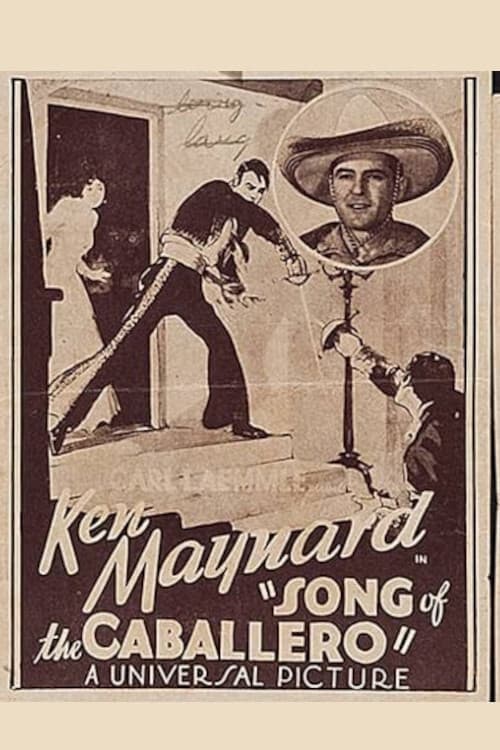
1930
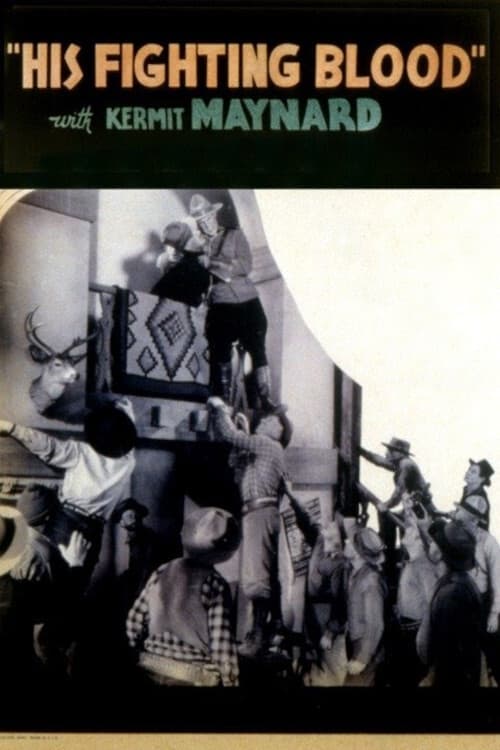
1935
1943
1917
1941
No reviews yet. Be the first to share your thoughts on this movie!
Use the rating form above to leave a star rating and optional review.