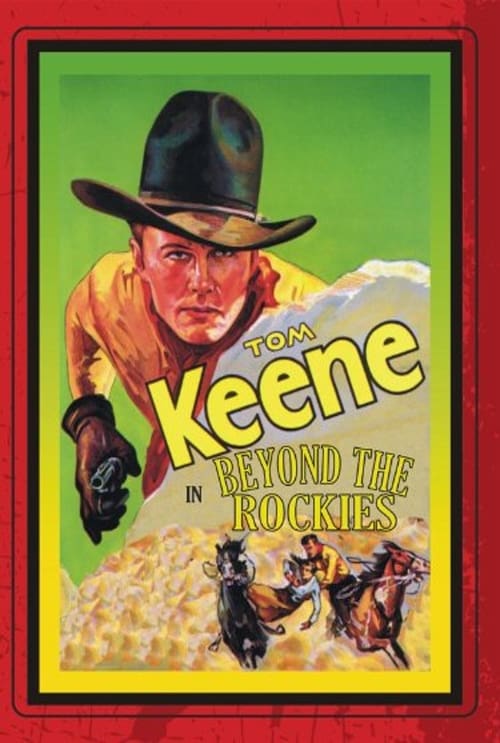
Beyond the Rockies
1932
No user ratings available yet
Representation score: 1.3 out of 10
Representation Score
Minimal
1934
PassedDirector
David Selman
Runtime
58 minutes
Average Rating
No ratings yetNew Showbiz Analysis
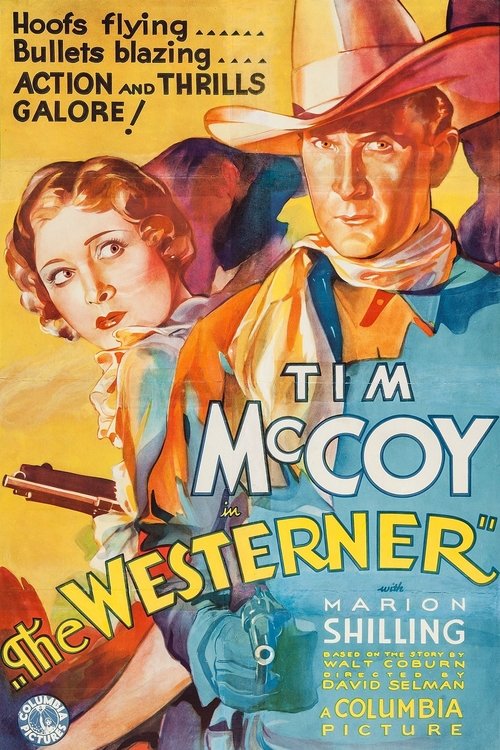
The Westerner operates as a conventional genre piece from the early 1930s. It relies on established clichés of frontier justice, focusing on a rancher and his associate protecting property from rustlers. The film lacks complexity in representing diverse identities, adhering instead to traditional masculine leadership roles and homogeneous social structures. It reinforces the status quo of the era rather than offering narrative disruption. Ultimately, the production serves as a standard example of mid-century Western cinema, prioritizing traditional heroism over diverse representation.
Category Breakdown
The film does not include any characters with non-straight or non-cisgender identities. The story revolves around a typical male partnership.
The plot centers on male protagonists who drive the action through physical conflict. There is no evidence of women taking a leading role or challenging traditional gender hierarchies.
The story does not feature characters of color with significant influence. It seems to follow the homogeneous casting trends typical of 1934 Westerns.
The film upholds traditional Western values regarding land protection and order. It defends the status quo rather than questioning institutions.
There are no characters with visible or invisible disabilities mentioned in the narrative.
Present on Screen
Limited or Absent
Official Synopsis
A rancher (Tim McCoy) and his buddy (Joseph Sauers) scare rustlers out of business.
1932
1939
1939
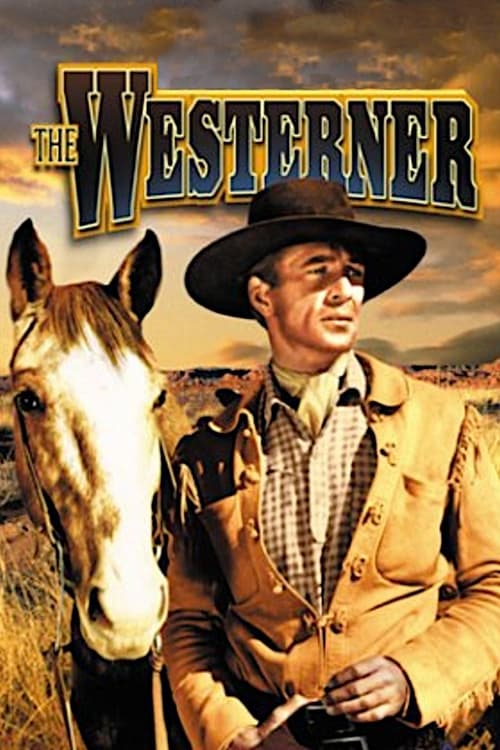
1940
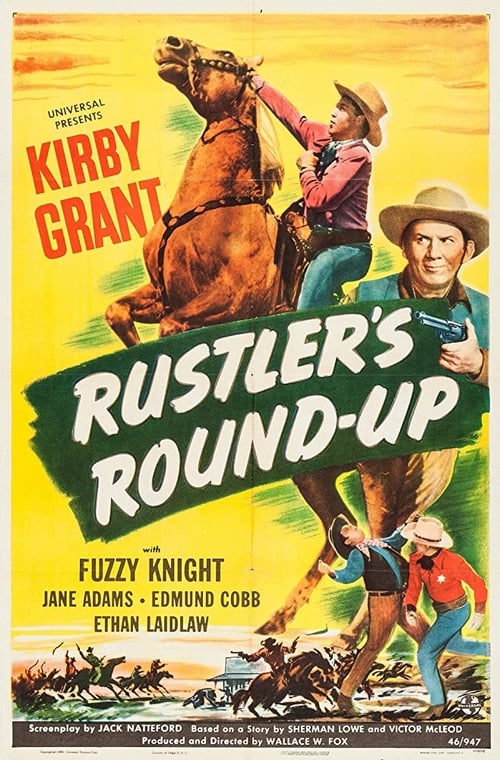
1946
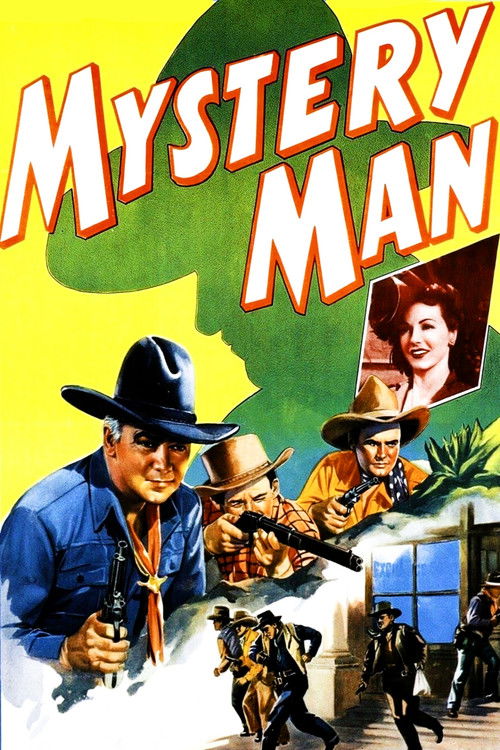
1944
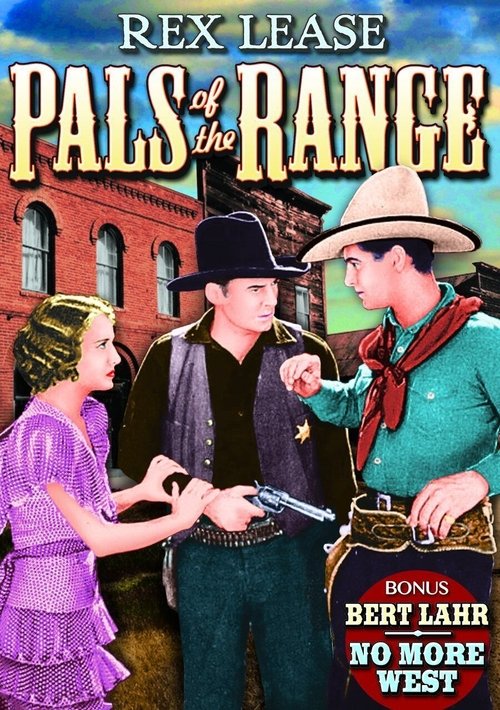
1935
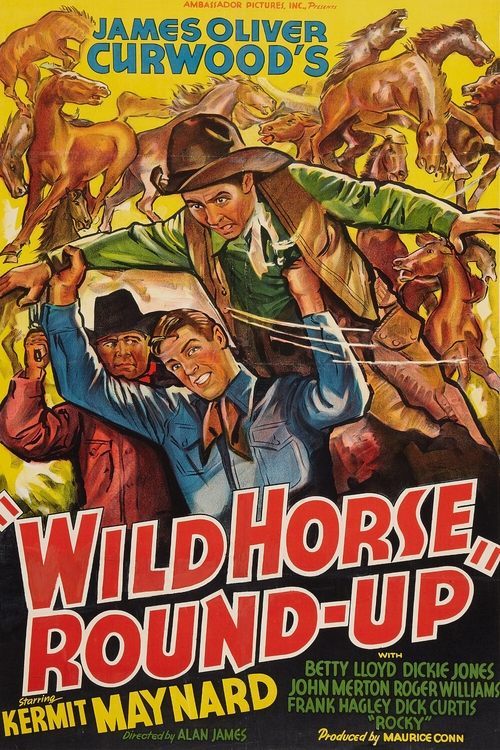
1936
No reviews yet. Be the first to share your thoughts on this movie!
Use the rating form above to leave a star rating and optional review.