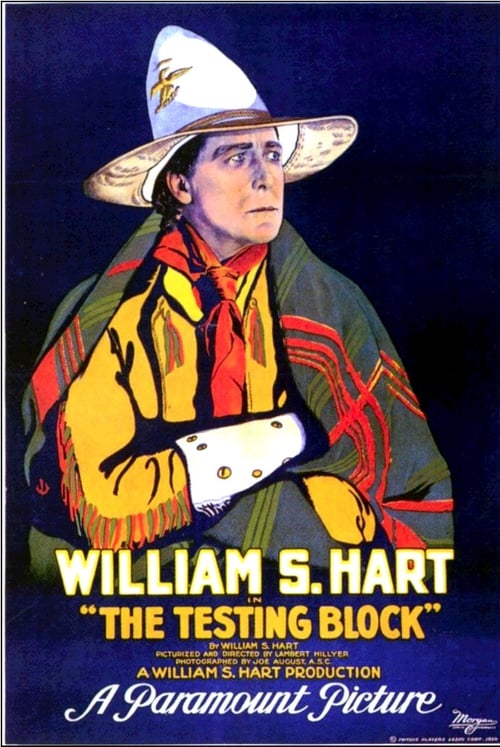
The Testing Block
1920
No user ratings available yet
Representation score: 1.4 out of 10
Representation Score
Minimal
1920
PassedDirector
Lambert Hillyer
Runtime
73 minutes
Average Rating
No ratings yetNew Showbiz Analysis
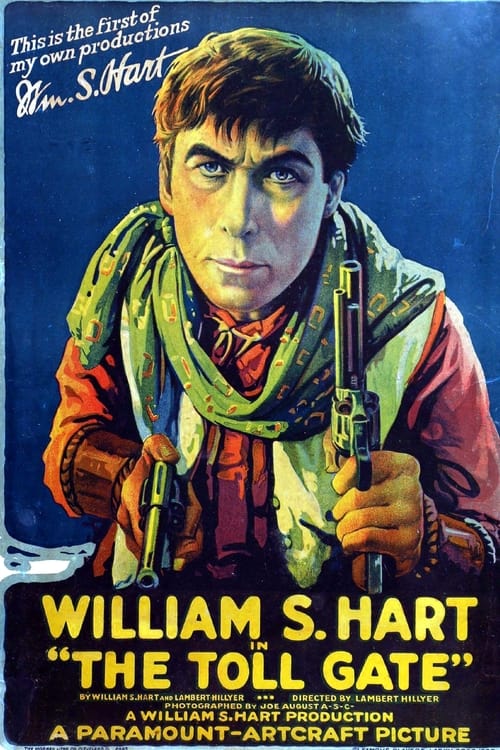
The Toll Gate is a typical silent-era Western that emphasizes genre conventions over social critique. The story focuses on masculine power struggles, outlawry, and personal vengeance, reinforcing traditional early 20th-century hierarchies. Representation is limited by the era's filmmaking norms. The film lacks LGBTQ+ identities and focuses heavily on a male-dominated power struggle, offering little room for diverse perspectives or female intellect. Casting and cultural themes appear homogeneous. The narrative adheres to individualistic storytelling rather than challenging broader social or systemic structures of the time.
Category Breakdown
The film does not include any characters with LGBTQ+ identities or non-cisgender identities. It follows the traditional assumption that everyone is straight and cisgender, typical of 1920s cinema.
The story revolves around a male-centric power struggle between outlaws and those seeking vengeance. There is no indication of women having significant roles or challenging masculine authority.
The film aligns with the predominantly white casting norms of early Hollywood. The protagonist’s identity does not suggest significant racial diversity or representation of non-white individuals.
The plot centers on individualistic themes of crime and retribution. It follows conventional Western morality rather than offering critiques of societal institutions.
There is no information about the depiction of physical or neurodivergent disabilities within the film's narrative.
Present on Screen
Limited or Absent
Official Synopsis
Outlaw Black Deering leads a band of desperadoes, but decides to give up the bandit life. Agreeing to go on one last job with his gang, he is captured when his henchman Jordan betrays the gang for the reward. Deering escapes and determines to avenge himself on Jordan.
1920

1939
1930
1958
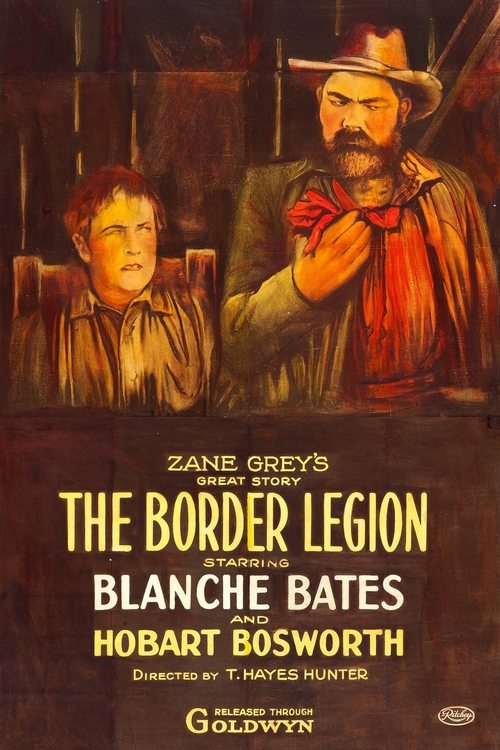
1918
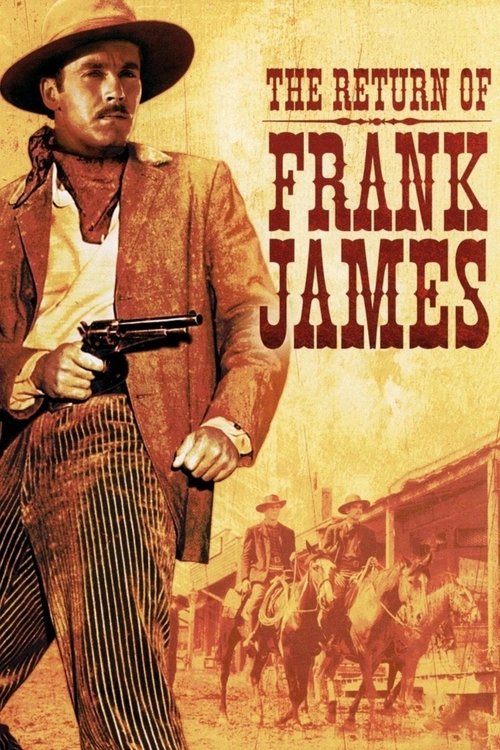
1940
1927
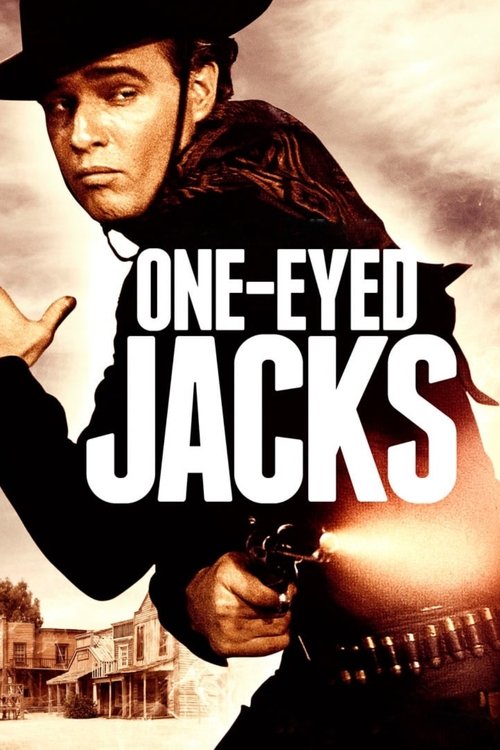
1961
No reviews yet. Be the first to share your thoughts on this movie!
Use the rating form above to leave a star rating and optional review.