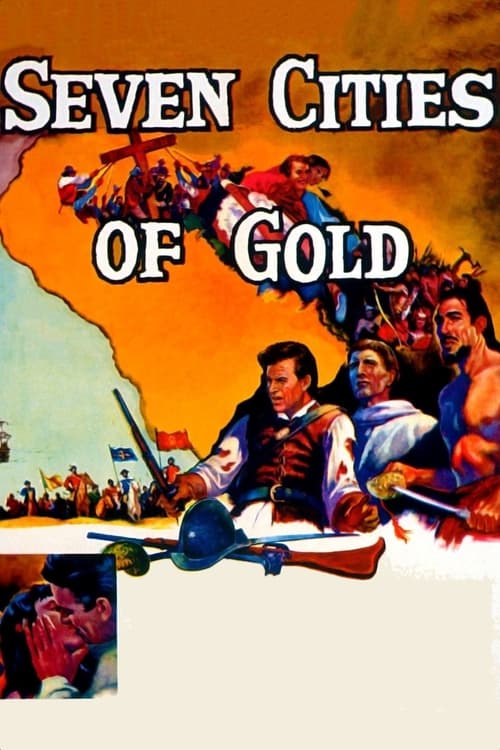
Seven Cities of Gold
1955
No user ratings available yet
Representation score: 1.9 out of 10

Representation Score
Minimal
1947
NRDirector
Henry King
Runtime
140 minutes
Average Rating
No ratings yetNew Showbiz Analysis
Captain from Castile is a quintessential mid-century adventure epic that prioritizes traditional social hierarchies. The narrative focuses on a heroic, aristocratic journey that reinforces the status quo of 1947 cinema rather than challenging it. The film's perspective is deeply Eurocentric, framing the conquest of Mexico through the lens of Spanish explorers. While the setting is diverse, the character development and ability to act remain firmly rooted in the Western colonial experience. Ultimately, the film adheres to standard gender roles and lacks any meaningful representation of LGBTQ+ identities or disabilities. It functions as a reinforcement of the era's established social and moral orders.
Category Breakdown
The film does not depict any non-straight relationships or gender identities. Romantic motivations are tied to conventional, cisgender pairings centered around the male protagonist.
The narrative follows a strict patriarchal structure where men drive the action. Female characters primarily serve as emotional anchors or romantic rewards for the male lead.
The story centers on the European colonial experience with a predominantly white cast. Indigenous populations have little control over their own lives, serving mostly as a backdrop for the Spanish expedition.
The film reinforces traditional institutions like the Inquisition and nobility. It presents a singular morality based on chivalry without critiquing the colonial enterprise.
There are no depictions of visible or invisible disabilities. Characters are defined by the physical vitality typical of the mid-century adventure genre.
Present on Screen
Limited or Absent
Official Synopsis
Spain, 1518: young caballero Pedro De Vargas offends his sadistic neighbor De Silva, who just happens to be an officer of the Inquisition. Forced to flee, Pedro, friend Juan Garcia, and adoring servant girl Catana join Cortez' first expedition to Mexico. Arriving in the rich new land, Cortez decides to switch from exploration to conquest...with only 500 men. Embroiled in continuous adventures and a romantic interlude, Pedro almost forgets he has a deadly enemy...
1955

1964

1949
1940
1967

1950
1949
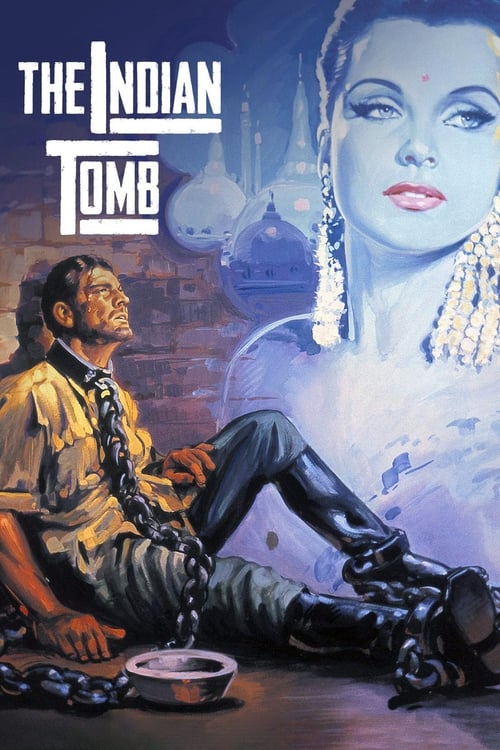
1959
No reviews yet. Be the first to share your thoughts on this movie!
Use the rating form above to leave a star rating and optional review.