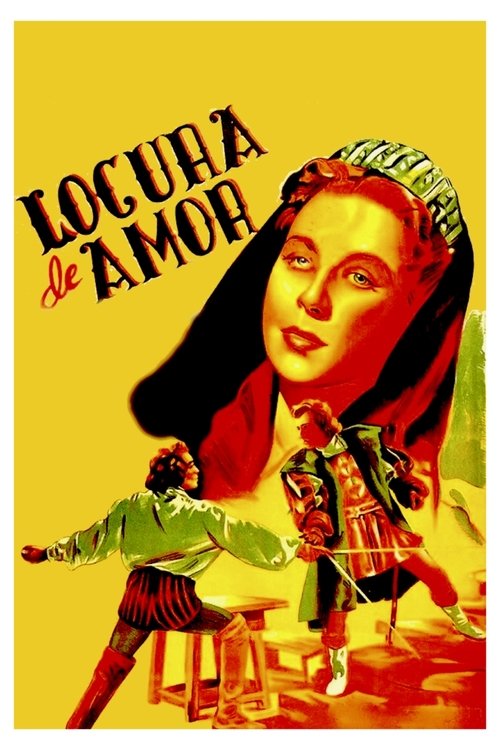
Locura de amor
1948
No user ratings available yet
Representation score: 2.6 out of 10
Representation Score
Minimal
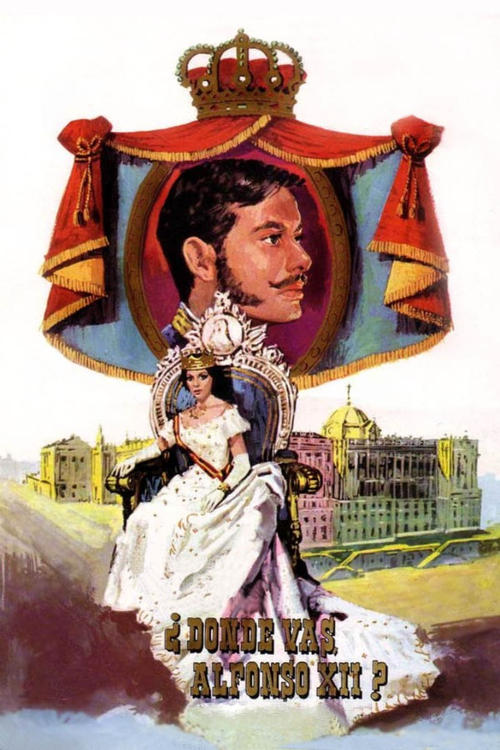
1959
Director
Luis César Amadori
Runtime
112 minutes
Average Rating
No ratings yetNew Showbiz Analysis
This historical drama reinforces mid-century traditionalism, emphasizing institutional continuity and the sanctity of the family unit. Representation is limited by adherence to 1950s cinematic conventions, focusing on a homogeneous, Eurocentric aristocracy. Gender and cultural portrayals uphold the status quo of the era.
Category Breakdown
The film adheres to a structure that assumes everyone is straight and cisgender, focusing on the monogamous relationship between Alfonso XII and María de las Mercedes.
Gender hierarchies are emphasized through the King's political influence. The female lead is defined by her romantic devotion and ceremonial duties.
The cast is predominantly white and European, depicting an aristocratic environment that lacks significant racial blending or non-white representation.
The narrative celebrates traditional Western institutions such as the monarchy and religious reverence, presenting them as crucial to Spain's stability.
Alfonso XII’s struggle with tuberculosis is portrayed realistically, driving the emotional storyline without using empowerment themes.
Present on Screen
Limited or Absent
Official Synopsis
Alfonso de Borbón and his cousin María de las Mercedes de Orleans fall in love and, although both families do not maintain good relationships, young people marry when Alfonso became king of Spain.
1948
1955
1944
1994
1947
1952
2001
2014
No reviews yet. Be the first to share your thoughts on this movie!
Use the rating form above to leave a star rating and optional review.