
Madame DuBarry
1919
No user ratings available yet
Representation score: 2.5 out of 10
Representation Score
Limited
1916
Director
Phillips Smalley, Lois Weber
Runtime
115 minutes
Average Rating
No ratings yetNew Showbiz Analysis
The film stands out for its time by emphasizing women's ability to drive the story within a historical drama. By making Fenella's personal life the catalyst for a revolution, the narrative shifts women from the periphery to the core of political change. While the film delves into Mediterranean identities and class conflict, it remains confined by the social norms of 1916. The lack of LGBTQ+ or disability representation limits its overall score, despite its sophisticated social themes. Ultimately, the work successfully dismantles monarchical hierarchies through a personal lens, offering a more nuanced view of institutional stability compared to many contemporary silent films.
Category Breakdown
The film does not include any representation of LGBTQ+ identities or same-sex relationships. The story centers around a traditional romance between a commoner and a nobleman.
Fenella is a key character whose decisions lead to a major geopolitical revolution. This portrayal challenges traditional patriarchal narratives by placing a woman at the center of historical change.
The film focuses on Italian and Spanish identities, moving away from typical Anglo-Saxon settings. It examines the tension between Italian commoners and Spanish nobles, breaking from homogeneous Western cinema.
The narrative uses a personal romance to spark a national crisis, questioning the stability of aristocratic institutions. This approach highlights the fragility of traditional power structures.
There is no documentation of physical or neurodivergent disabilities in the film's synopsis.
Present on Screen
Limited or Absent
Official Synopsis
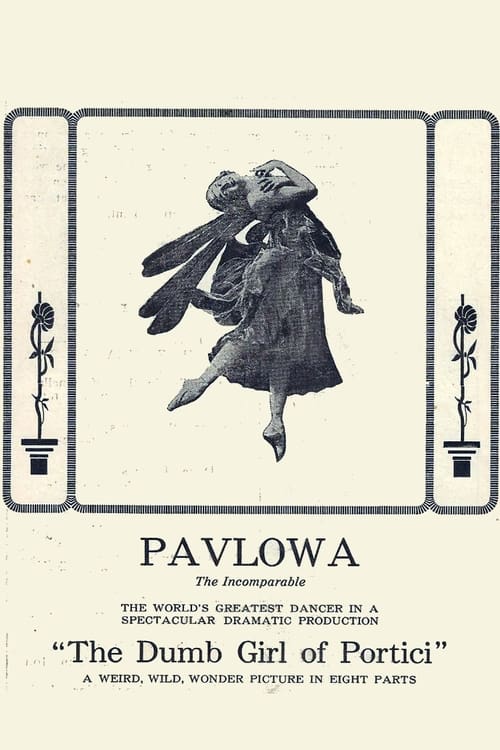
Fenella, a poor Italian girl, falls in love with a Spanish nobleman, but their affair triggers a revolution and national catastrophe.
1919
1921
1909
1916
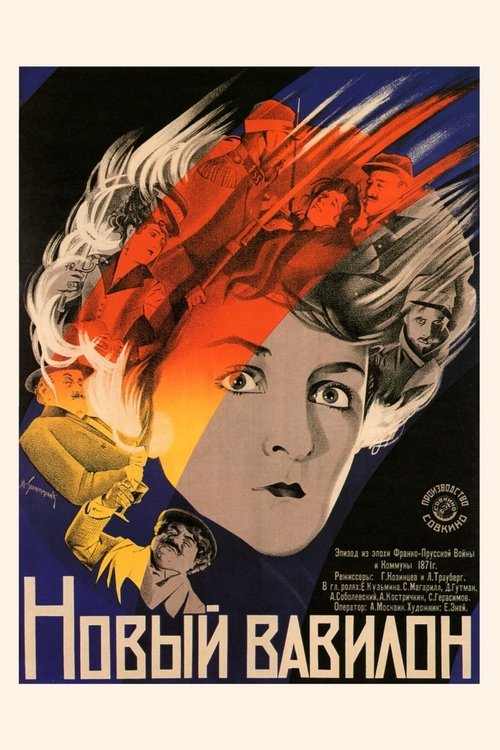
1929
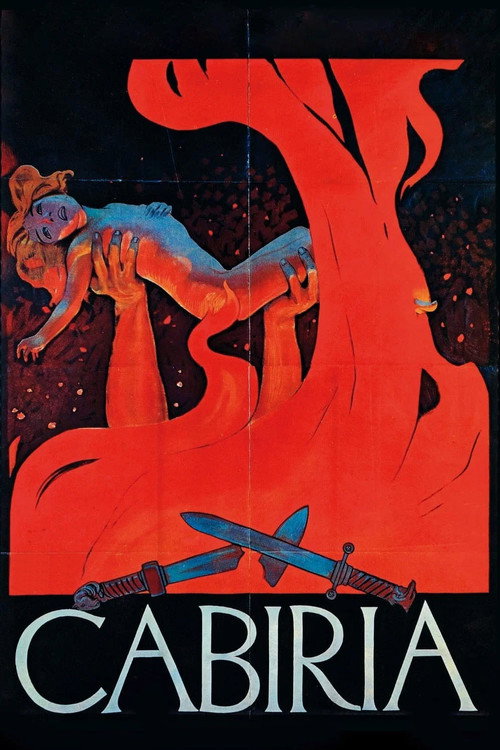
1914
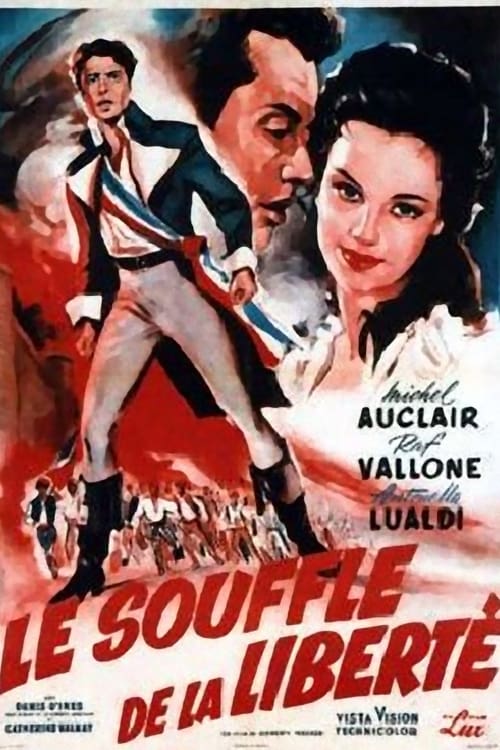
1955

2009
No reviews yet. Be the first to share your thoughts on this movie!
Use the rating form above to leave a star rating and optional review.