Diane
1956
No user ratings available yet
Representation score: 1.2 out of 10
Representation Score
Minimal
1961
Director
Jean Delannoy
Runtime
101 minutes
Average Rating
No ratings yetNew Showbiz Analysis
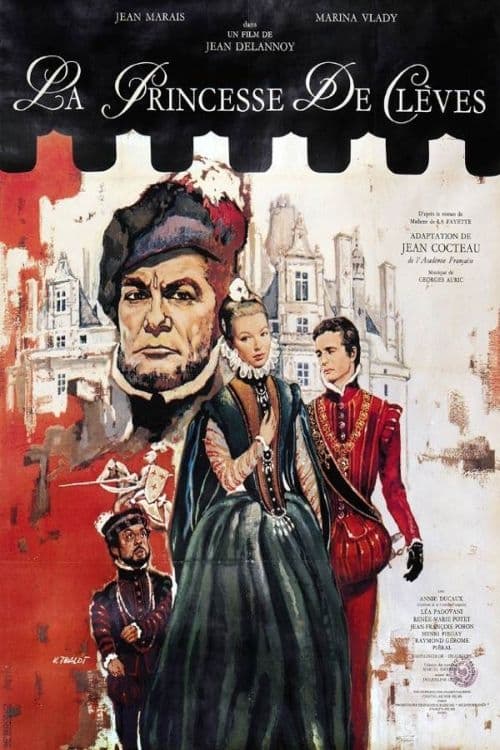
Jean Delannoy’s adaptation is a traditional historical drama that emphasizes period accuracy and classical social hierarchies. It provides a detailed look at the internal psychological world of a noblewoman within a strict 16th-century French court. The film highlights the intellectual and emotional autonomy of the female protagonist through her internal moral conflicts. However, this depth is limited to a narrow, traditional context. Overall, the film lacks complexity in its portrayal of diverse identities and social structures. It upholds the social and religious institutions of the time rather than questioning them.
Category Breakdown
The film focuses solely on heterosexual relationships and does not depict any non-traditional gender identities. The protagonist faces a conflict between her marital duties and her feelings towards a male character, but no other LGBTQ+ identities are shown.
The story revolves around the Princess's intellectual and emotional independence. Set in a patriarchal monarchy, her internal struggle for moral integrity drives the plot. The film does not challenge traditional gender roles.
The casting reflects the specific ethnic makeup of the 16th-century Renaissance aristocracy, without incorporating modern diversity. The film does not include actors from different racial backgrounds.
The narrative is deeply rooted in Western aristocratic traditions and the Catholic Church. These traditional structures are presented as fundamental to the characters' lives.
There are no visible or invisible disabilities among the main characters or in the storyline. Disability is not used as a tool for character development.
Present on Screen
Limited or Absent
Official Synopsis
A teen marries the Prince of Clèves, more than twice her age, which makes her an official Princess, a position she takes to heart. Although distracted by elite entertainments often found at court, the princess cannot help but mourn her impossible love for the dashing Duke of Nemours.
1956
1994
1944
2010
1939
1969
1953
1934
No reviews yet. Be the first to share your thoughts on this movie!
Use the rating form above to leave a star rating and optional review.