
Prince of Foxes
1949
No user ratings available yet
Representation score: 1.1 out of 10
Representation Score
Minimal
1953
NRDirector
Ken Annakin
Runtime
92 minutes
Average Rating
No ratings yetNew Showbiz Analysis
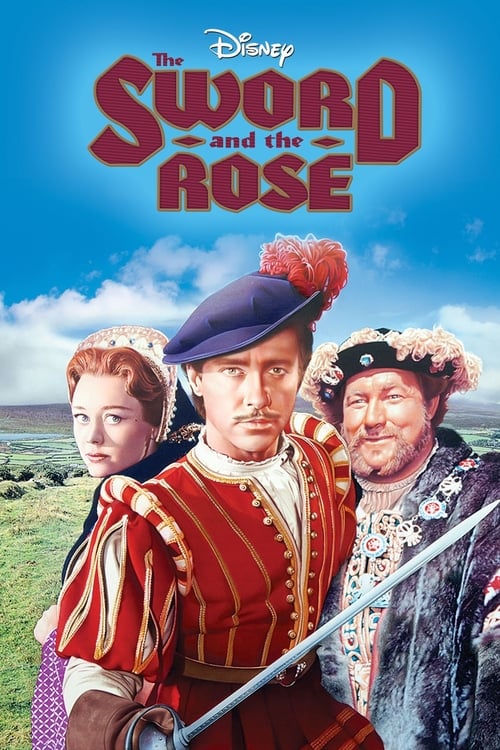
The Sword and the Rose is a traditional period adventure that reinforces established social and gender hierarchies. It uses classic clichés of chivalry and romantic destiny without challenging conventional expectations. The film lacks diversity, focusing on a homogeneous portrayal of 16th-century European nobility. This maintains the status quo of mid-century cinematic storytelling. Ultimately, the narrative prioritizes grand spectacle over social subversion.
Category Breakdown
The film strictly follows traditional structures where everyone is assumed to be straight or cisgender. There are no queer subtexts or non-assuming gender matches what was assigned at birth identities present.
Mary Tudor has some control over choosing her second husband but remains a political pawn. The male protagonist drives the physical action and resolves the plot.
The cast is primarily made up of people from similar backgrounds, reflecting the production standards of 1953. The film portrays a Eurocentric aristocratic society without any diverse ethnic groups.
The narrative emphasizes Western institutional values such as monarchical authority and honor. Religious and state institutions are shown as foundational pillars of the social order.
There are no prominent depictions of physical or neurodivergent disabilities. Characters are portrayed through idealized, able-bodied heroic archetypes.
Present on Screen
Limited or Absent
Official Synopsis
Tells the story of Mary Tudor and her troubled path to true love. Henry VIII, for political reasons, determines to wed her to the King of France. She tries to flee to America with her love but is captured when she is "un-hatted" on board ship. In return for her consent to the marriage with France, Henry agrees to let her choose her second husband. When King Louis of France dies, Mary is kidnaped by the Duke of Buckingham. He tries to force her to marry him but she is rescued by her love in an exciting battle on the beach.
1949
1969

1955
1940
1955
1934
1949
1964
No reviews yet. Be the first to share your thoughts on this movie!
Use the rating form above to leave a star rating and optional review.